
Unleashing the Power of Creatine: Enhancing Performance and Muscle Growth
Unleashing the Power of Creatine: Enhancing Performance and Muscle Growth
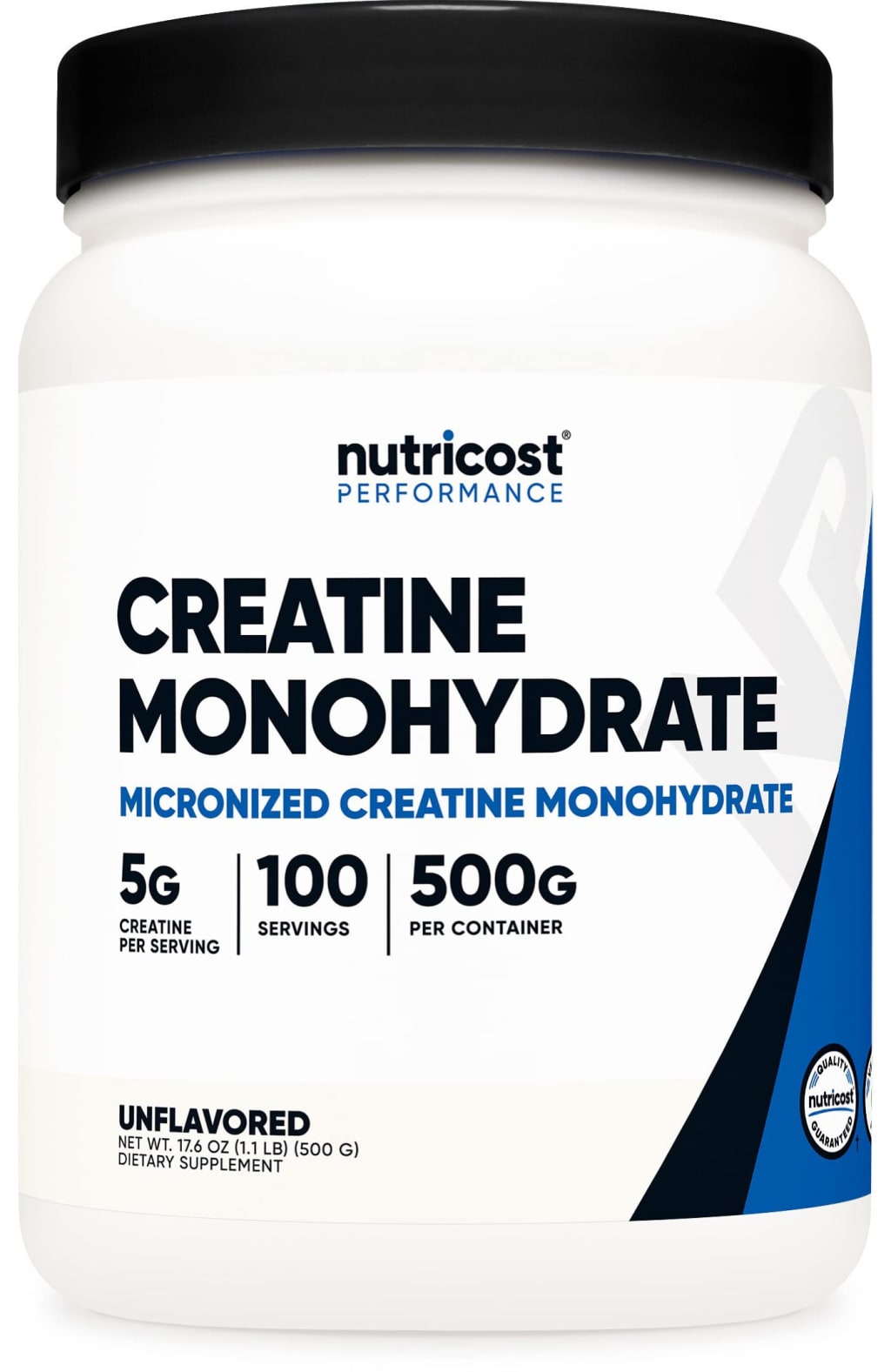
Understanding Creatine
Creatine is a naturally occurring compound found in small quantities in meat and fish. It plays a crucial role in the production of adenosine triphosphate (ATP), the primary source of energy for cellular functions. By supplementing with creatine, individuals can increase their intramuscular creatine stores, leading to enhanced energy availability during high-intensity exercise.
Introduction
Creatine is a popular supplement used by athletes and fitness enthusiasts to enhance performance and promote muscle growth. In this article, we will delve into the science behind creatine, its benefits, potential side effects, and the optimal ways to use it for maximum effectiveness.Creatine is a naturally occurring compound found in small quantities in meat and fish. It plays a crucial role in the production of adenosine triphosphate (ATP), the primary source of energy for cellular functions. By supplementing with creatine, individuals can increase their intramuscular creatine stores, leading to enhanced energy availability during high-intensity exercise.
Performance Benefits
Numerous studies have demonstrated that creatine supplementation can have significant performance-enhancing effects. It has been shown to improve strength and power output, making it particularly beneficial for activities that require short bursts of intense effort, such as weightlifting, sprinting, and jumping. Moreover, creatine can enhance muscle endurance, allowing individuals to perform more repetitions or sustain higher intensities for longer periods.
Muscle Growth and Recovery
In addition to its performance benefits, creatine has been extensively studied for its role in promoting muscle growth. By increasing water content within muscle cells and stimulating protein synthesis, creatine supplementation can lead to greater muscle volume and overall mass. It also helps to expedite post-exercise recovery by reducing muscle damage and inflammation, thereby allowing individuals to train more frequently and with higher intensity.
Safe Usage and Potential Side Effects
Creatine is generally safe for most individuals when taken within recommended doses. However, some people may experience minor side effects such as bloating, gastrointestinal discomfort, or weight gain due to water retention. It is essential to stay properly hydrated when using creatine to minimize potential side effects. Individuals with pre-existing kidney or liver conditions should consult with a healthcare professional before using creatine.
Conclusion
Creatine supplementation can be a valuable tool for athletes and fitness enthusiasts aiming to optimize their performance and maximize muscle growth. When used responsibly and in accordance with guidelines, creatine can provide significant benefits without major side effects. However, it is always advisable to consult with a healthcare professional before starting any new supplement regimen
Maximizing Creatine Effectiveness
To maximize the effectiveness of creatine supplementation, it is recommended to follow a loading phase where higher doses are consumed for the first few days, followed by a maintenance phase where a lower dose is taken regularly. Timing is also crucial, with many experts suggesting taking creatine before or after a workout for optimal absorption. Additionally, combining creatine with carbohydrates can enhance its uptake by muscle cells.Creatine supplementation can be a valuable tool for athletes and fitness enthusiasts aiming to optimize their performance and maximize muscle growth. When used responsibly and in accordance with guidelines, creatine can provide significant benefits without major side effects. However, it is always advisable to consult with a healthcare professional before starting any new supplement regimen.
creatine dose
Creatine dosage can vary depending on individual factors such as body weight, training goals, and overall health. However, there are generally two common approaches to creatine dosing: a loading phase and a maintenance phase.
Loading Phase:
During the loading phase, individuals typically consume a higher dose of creatine for a short period to quickly saturate their muscles with creatine stores. The loading phase typically lasts around 5-7 days and involves taking 20 grams of creatine divided into four 5-gram servings throughout the day. It is recommended to spread these servings evenly throughout the day.
Maintenance Phase:
After the loading phase, a maintenance dose is followed to maintain the elevated creatine levels in the muscles. The maintenance phase typically involves taking 3-5 grams of creatine per day. This can be taken in a single dose or divided into multiple smaller doses throughout the day.
It's important to note that the loading phase is optional. Some individuals may choose to skip the loading phase and directly start with the maintenance phase by taking 3-5 grams of creatine per day.
Regardless of the approach, it is advisable to follow the manufacturer's instructions on the specific creatine product you are using, as different brands may have different recommended dosages. Additionally, consulting with a healthcare professional or a registered dietitian can provide personalized guidance based on your specific needs and health considerations.
Remember to stay properly hydrated when taking creatine, as it can increase water retention in the body. Drinking adequate water throughout the day is essential for optimal creatine utilization and to minimize potential side effects such as bloating.
About the Creator
Enjoyed the story? Support the Creator.
Subscribe for free to receive all their stories in your feed.
Comments
There are no comments for this story
Be the first to respond and start the conversation.