
Unleash Your Brain's Potential: The Key to Optimal Hearing Health
Unleash your Brain, Enhance your Hearing

Introduction
In today's fast-paced world, where we are constantly bombarded with sounds and distractions, it is essential to prioritize our hearing health. Not only does our ability to hear impact our daily lives, but it also plays a crucial role in our cognitive function. Understanding the intricate relationship between hearing and the brain can unlock our brain's true potential and lead us to a life of enhanced wellness.
The Connection Between Hearing Health and Cognitive Function
Hearing health is intricately connected to cognitive function. Research has shown that individuals with untreated hearing loss may experience cognitive decline at a faster rate compared to those with optimal hearing. Cognitive functions such as memory, attention, and problem-solving skills are closely intertwined with our ability to hear and process auditory information. By taking care of our hearing health, we can help preserve and even enhance our cognitive abilities.
The Link between Exercise and Hearing Health Exercise
Regular exercise promotes better blood flow to the brain, which aids in maintaining its optimal function. Since the auditory system relies on a steady supply of oxygen and nutrients, these exercise-induced benefits can help with Hearing Health. Engaging in activities such as walking, running, or yoga can enhance neuroplasticity, leading to improved auditory processing capabilities. If you want to lose weigth click here.
Maintaining a Healthy Diet for Improved Hearing
Proper nutrition is vital for overall well-being, including hearing health. A diet rich in antioxidants, omega-3 fatty acids, and vitamins can support optimal auditory function. Foods such as fish, leafy greens, nuts, and citrus fruits provide nutrients that nourish the auditory system and promote healthy hearing abilities. Click here to take a test for the best-personalized diet.
Why Sleep Improves Hearing Health
Sleep has a profound impact on auditory functioning and plays a pivotal role in maintaining and improving hearing health. The importance of REM sleep in consolidating auditory memories, the impact of sleep deprivation on sound localization abilities, and the role of sleep in filtering out unnecessary auditory information are just a few aspects of how sleep affects our hearing capabilities. If you want to improve your quality of sleep click here.
Stimulating Your Brain with Mental Challenges
Challenging our brain with mental exercises and puzzles can enhance its hearing potential. Activities like learning a new language, playing a musical instrument, or engaging in memory games can stimulate the neural pathways involved in auditory processing. These mental challenges promote neuroplasticity and strengthen the connections necessary for optimal hearing health.
Ongoing Learning Opportunities and Brain Training
Continual learning and brain training are excellent ways to unleash your brain's hearing potential. Taking courses, attending workshops, or pursuing new hobbies not only stimulates the brain but also enhances our cognitive abilities. By actively seeking out learning opportunities, we can keep our brains engaged and continuously improve our auditory processing skills.

The Importance of Hearing Health
Exploring the Prevalence of Hearing Loss Worldwide
Hearing loss is a global concern affecting millions of people. According to the World Health Organization, over 466 million individuals experience disabling hearing loss, and this number is expected to rise. The impact of hearing loss extends beyond personal challenges and affects society as a whole, emphasizing the urgency to address hearing health on a global scale. We can prioritize prevention and intervention strategies by understanding the widespread nature of hearing loss.
Impact of Hearing Loss on Daily Life
Hearing loss can significantly impact one's quality of life. The inability to fully engage in conversations, enjoy music, or hear important warnings can lead to feelings of isolation, frustration, and even depression. Communication breakdowns can strain relationships, and individuals may withdraw from social activities that were once enjoyed. The negative consequences of hearing loss in daily life highlight the importance of early detection and proper management to maintain a fulfilling lifestyle.
The Connection Between Hearing Loss and Cognitive Decline
Recent studies have shed light on the strong correlation between hearing loss and cognitive decline. Individuals with untreated hearing loss are more likely to experience cognitive issues, including memory loss, decreased attention span, and reduced problem-solving abilities. The cognitive load placed on the brain to compensate for hearing difficulties may divert resources from other cognitive functions, leading to an overall decline in brain health. By addressing hearing loss early on, we can potentially mitigate the risk of cognitive decline.
How the Brain Processes Sound
The Ear-Brain Connection: A Complex System
The process of hearing is a complex and intricate system that begins with the ears and extends to various regions of the brain. Sound waves are captured by the outer ear and travel through the ear canal, vibrating the eardrum and the tiny bones of the middle ear. These vibrations are then transformed into electrical signals that are transmitted to the brain for processing. Understanding the interconnectedness of the ear and the brain is essential to grasp the mechanisms behind optimal hearing health.
Unraveling the Journey of Sound Waves
When sound waves enter the ear, they pass through the cochlea, a spiral-shaped structure filled with fluid and tiny hair cells. The hair cells within the cochlea are responsible for converting sound vibrations into electrical signals. These electrical signals are then relayed to the brain via the auditory nerve, where they are further decoded and analyzed. The intricate journey of sound waves provides insights into the remarkable abilities of the brain to perceive and interpret auditory information.
Brain Areas Responsible for Sound Interpretation
Within the brain, several regions collaborate to process and interpret sound signals. The primary auditory cortex, located in the temporal lobe, receives and analyzes incoming auditory information. Other areas, such as the frontal and parietal lobes, then assist in interpreting the emotional aspects of sound and integrating it with other sensory information. This synchronized effort of multiple brain areas allows us to experience the richness of sound and engage in meaningful auditory experiences.

Protecting Your Hearing Health
Understanding Noise-Induced Hearing Loss (NIHL)
Noise-induced hearing loss poses a significant risk to our hearing health. Prolonged exposure to loud noises, such as music concerts, construction sites, or firearms, can damage the delicate structures within our ears. Understanding the causes and consequences of noise-induced hearing loss is key to taking preventive measures and protecting our hearing.
Appropriate Use of Hearing Protection Devices
One effective way to safeguard our hearing from damaging noise levels is by using hearing protection devices. These devices, such as earplugs or earmuffs, reduce the intensity of sound reaching our inner ears. Whether in loud work environments or recreational settings, using appropriate hearing protection devices can significantly reduce the risk of noise-induced hearing loss.
Lifestyle Choices to Minimize Hearing Damage
Our daily lifestyle choices can have a profound impact on our hearing health. By adopting habits such as reducing exposure to loud music, avoiding the use of cotton swabs for ear cleaning, and abstaining from smoking, we can minimize the risk of hearing damage. Simple adjustments to our routines can have long-lasting effects on preserving our hearing abilities.

Early Detection and Intervention for Hearing Loss
Importance of Regular Hearing Evaluations
Regular hearing evaluations are essential for early detection of hearing loss. Seeking professional care allows for comprehensive assessments, including audiometric tests and examinations of the ear. Early identification of any hearing difficulties enables prompt intervention strategies to maintain optimal hearing health.
Recognizing Common Signs of Hearing Loss
Recognizing the common signs of hearing loss is crucial for early intervention. Signs such as difficulty understanding conversations, frequently requesting repetitions or having trouble hearing in noisy environments should not be ignored. Increased awareness of these signs empowers individuals to take proactive steps toward optimal hearing health.
Exploring Hearing Aid Solutions for Optimal Hearing
Hearing aids are invaluable tools for individuals with hearing loss. These devices amplify sound, enhance speech clarity, and improve overall audibility. By seeking expert guidance from audiologists, individuals with hearing loss can explore various hearing aid options tailored to their needs. The utilization of hearing aids contributes to optimal hearing and supports brain function.
The Role of Technology in Optimizing Hearing Health
Assistive Listening Devices and Apps
Technology has revolutionized the field of hearing health, offering assistive listening devices and apps that supplement optimal hearing. These devices, such as Bluetooth-enabled hearing aids or smartphone applications, provide additional support in various listening environments. From amplifying speech to filtering out background noise, assistive listening devices enhance the overall auditory experience.
Technological Advancements in Hearing Aids
Hearing aid technology continues to advance, bringing innovative features that optimize hearing health. Digital signal processing, wireless connectivity, and intelligent algorithms enable hearing aids to adapt to different listening situations. Automatic adjustments, noise reduction, and directional microphones are some of the advancements that contribute to optimal hearing and improved brain function.
Teleaudiology: Remote Support for Hearing Care
Teleaudiology, a rapidly evolving field, provides remote support for hearing care. Through telecommunication platforms, individuals can access professional consultations, receive adjustments to their hearing aids, or seek guidance on hearing health concerns. This remote support ensures continued care and empowers individuals to take control of their hearing health conveniently.
Holistic Approaches to Optimal Hearing Health
Meditation and Mindfulness Techniques
Meditation and mindfulness practices are powerful tools for enhancing overall well-being, including hearing health. By reducing stress levels, these techniques improve blood flow to the auditory system, which positively impacts hearing capabilities. Regular meditation and mindfulness practices create a sense of calm, allowing the brain to focus on processing sound more efficiently.
Music Therapy for Brain Stimulation
Engaging in music therapy can stimulate the brain and optimize hearing health. Playing musical instruments, singing, or simply listening to music activates multiple brain regions involved in auditory processing. Music therapy enhances auditory cognition, aids speech recognition, and contributes to a more enriching auditory experience.
Alternative Therapies and Their Potential Benefits
Exploring alternative therapies can offer additional benefits to hearing health. Acupuncture, herbal remedies, and chiropractic adjustments are a few examples of alternative therapies that may promote optimal hearing health. While scientific evidence supporting these therapies may be limited, some individuals report positive outcomes. Consulting with healthcare professionals can provide further guidance in selecting alternative therapies.
The Benefits of Optimal Hearing Health
Enhanced Cognitive Abilities and Brain Plasticity
Maintaining optimal hearing health can have profound effects on cognitive abilities and brain plasticity. Studies have shown that individuals with optimal hearing have better working memory, attention, and cognitive flexibility compared to those with hearing loss. The ability to accurately process auditory information stimulates brain plasticity, allowing for improved neural connections and enhanced cognitive functioning. Investing in our hearing health can unlock the full potential of our brain.
Improving Memory and Learning Capacity
Our ability to hear and comprehend auditory information influences memory and learning capacity. Hearing loss often leads to difficulties in remembering and retaining information, making learning challenging. By prioritizing hearing health, we can improve our memory and learning abilities. Enhanced auditory processing enables us to absorb information more effectively, leading to improved educational and professional outcomes.
Heightened Emotional Well-being and Social Functioning
Hearing loss can impact our emotional well-being and social functioning. Difficulty hearing and understanding others can result in feelings of isolation and social withdrawal. By optimizing our hearing health, we can actively participate in conversations, enjoy social interactions, and strengthen our relationships. Improved emotional well-being and social functioning contribute to a more fulfilling and enriching life.

The Future of Brain-Enhancing Hearing Solutions
Promising Scientific Research and Future Innovations
Scientific research continues to uncover exciting insights into brain-enhancing hearing solutions. Ongoing studies focus on neuroplasticity, cognitive training, and neurofeedback techniques that can optimize brain function related to hearing. These scientific endeavors hold promise for future innovations that might revolutionize the way we approach hearing health.
Neural Implants and Brain-Computer Interfaces
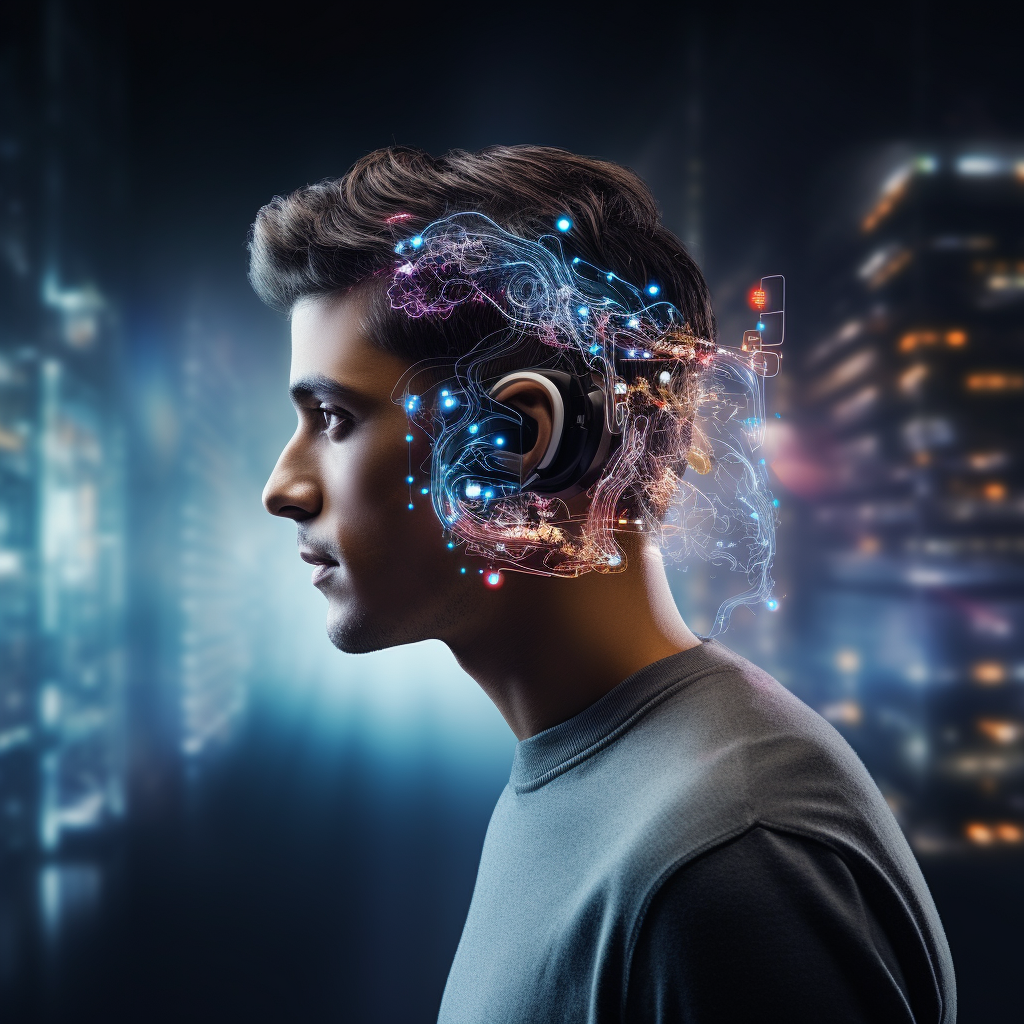
Neural implants and brain-computer interfaces represent cutting-edge technologies with tremendous potential to optimize hearing health. These innovative devices aim to restore hearing abilities by directly stimulating the auditory brain regions. By bypassing damaged parts of the ear, neural implants, and brain-computer interfaces can provide individuals with profound hearing improvements and open up a world of possibilities.
Conclusion
Embracing Your Brain's Full Potential through Optimal Hearing Health
Embracing our brain's full potential begins with prioritizing our hearing health. By understanding the relationship between hearing and cognitive function, we can take proactive steps to optimize our hearing abilities. From protecting our ears from noise-induced damage to exploring advanced hearing technologies, every choice we make contributes to unleashing the power of our brains. By prioritizing optimal hearing health, we not only enhance our cognitive abilities but also enrich our overall well-being and experience life to the fullest.
Intrigued by the remarkable connection between your brain and hearing health? Discover how prioritizing your auditory well-being can unlock your brain's true potential. Click here to explore the transformative benefits of your hearing health to enhanced wellness today.
I may make some money if you click on the links.
About the Creator
Enjoyed the story? Support the Creator.
Subscribe for free to receive all their stories in your feed.
Comments
There are no comments for this story
Be the first to respond and start the conversation.