
Understanding the Modern Digital Marketing Landscape: Trends, Strategies, and Future Directions
understanding the modern digital marketing
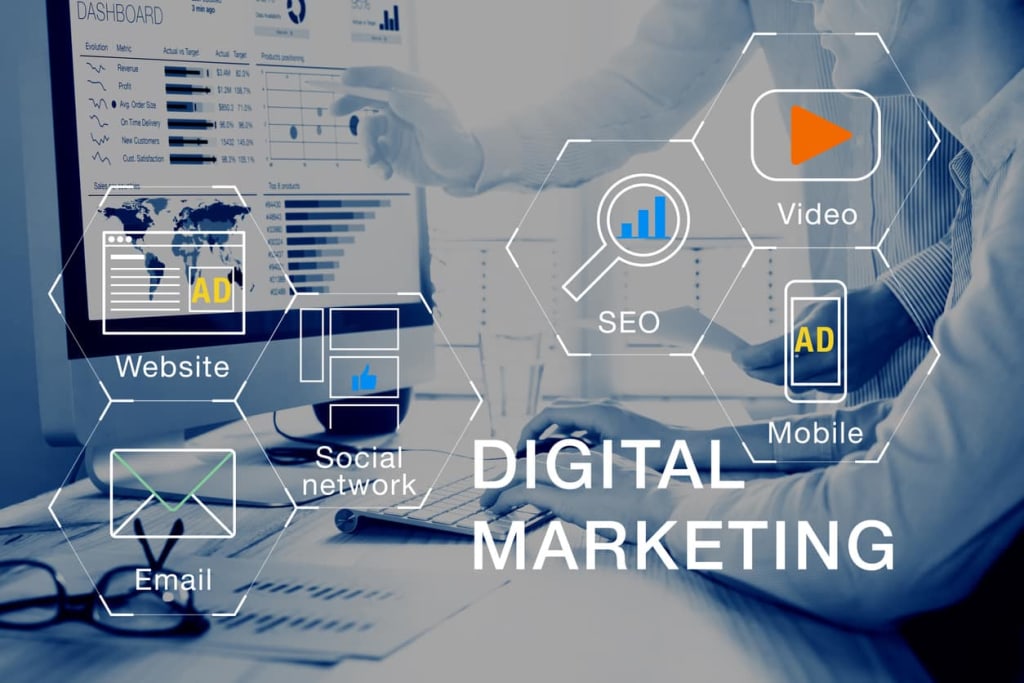
Introduction
In the ever-evolving realm of business, digital marketing stands out as a dynamic force driving success across various industries. As the digital landscape continues to expand and transform, understanding current trends, effective strategies, and future directions is crucial for businesses aiming to thrive in the competitive online environment. This article explores the modern digital marketing landscape, highlighting key trends, proven strategies, and anticipated future developments.
The Current State of Digital Marketing
Digital marketing today is a complex and multifaceted field characterized by rapid technological advancements and shifting consumer behaviors. To effectively navigate this landscape, businesses must stay informed about the latest trends and practices.
Omnichannel Marketing
Today’s consumers interact with brands across multiple channels, from social media and email to websites and mobile apps. Omnichannel marketing focuses on providing a seamless and consistent experience across all touchpoints. By integrating various channels and ensuring that messaging is cohesive, businesses can enhance customer engagement and drive conversions.
Data-Driven Decision Making
Data has become the cornerstone of effective digital marketing. With the ability to collect and analyze vast amounts of information, businesses can gain valuable insights into consumer behavior, preferences, and trends. Leveraging this data enables more precise targeting, personalized content, and improved campaign performance. Tools like Google Analytics, CRM systems, and social media analytics play a critical role in this data-driven approach.
Artificial Intelligence and Machine Learning
Artificial intelligence (AI) and machine learning (ML) are transforming digital marketing by automating processes, enhancing personalization, and predicting trends. AI-powered tools can analyze data, optimize campaigns, and provide insights that drive strategic decisions. From chatbots that offer customer support to algorithms that recommend content, AI and ML are becoming integral to digital marketing strategies.
Interactive Content
To capture and retain audience attention, interactive content has emerged as a powerful tool. This includes quizzes, polls, interactive infographics, and virtual reality experiences. Interactive content engages users by encouraging participation, leading to higher engagement rates and a deeper connection with the brand.
User-Generated Content
User-generated content (UGC) leverages the creativity and authenticity of consumers. Brands encourage their customers to create and share content related to their products or services, which can significantly boost credibility and trust. UGC also provides valuable social proof and can be a cost-effective way to generate content.
Effective Digital Marketing Strategies
To excel in the current digital marketing landscape, businesses must implement strategies that align with their goals and resonate with their target audience. Here are some effective strategies:
Search Engine Optimization (SEO)
SEO remains a foundational element of digital marketing. By optimizing website content, improving site structure, and building quality backlinks, businesses can enhance their visibility in search engine results pages (SERPs). Effective SEO drives organic traffic, boosts brand credibility, and increases online presence.
Content Marketing
Content marketing involves creating and distributing valuable, relevant content to attract and engage a target audience. This can include blog posts, whitepapers, videos, and case studies. High-quality content not only educates and informs but also establishes the brand as an authority in its industry.
Social Media Marketing
Social media platforms are essential for connecting with audiences, building brand awareness, and driving traffic. Businesses should develop a strong social media presence by creating engaging content, participating in conversations, and leveraging social media advertising. Platforms like Facebook, Instagram, LinkedIn, and TikTok offer diverse opportunities for reaching different demographics.
Email Marketing
Email marketing continues to be a valuable tool for nurturing leads and maintaining customer relationships. Effective email campaigns are personalized, targeted, and segmented to deliver relevant content to subscribers. Automated email workflows, such as welcome series and abandoned cart reminders, can also enhance customer engagement and drive conversions.
Pay-Per-Click (PPC) Advertising
PPC advertising allows businesses to target specific audiences with paid ads on search engines and social media platforms. By bidding on keywords and optimizing ad creatives, businesses can drive targeted traffic and achieve measurable results. PPC campaigns provide valuable data that can be used to refine strategies and improve ROI.
Future Directions in Digital Marketing
As technology and consumer behaviors continue to evolve, digital marketing will likely see several key developments:
Increased Focus on Privacy
With growing concerns about data privacy, regulations like GDPR and CCPA are shaping how businesses handle consumer information. Future digital marketing efforts will need to prioritize data protection and transparency. Brands that build trust by safeguarding customer data and adhering to privacy regulations will have a competitive advantage.
Expansion of Augmented Reality (AR) and Virtual Reality (VR)
AR and VR technologies are expected to play a more significant role in digital marketing. These immersive technologies offer new ways for consumers to interact with brands and experience products. For example, AR can enable virtual try-ons for fashion and beauty products, while VR can create engaging brand experiences.
Voice Search Optimization
As voice-activated devices become more prevalent, optimizing content for voice search will become increasingly important. Voice search queries tend to be more conversational, so businesses will need to adapt their SEO strategies to include natural language and long-tail keywords.
Growth of Influencer Marketing
Influencer marketing will continue to evolve, with a focus on authenticity and long-term partnerships. Micro-influencers, who have smaller but highly engaged followings, are gaining traction for their ability to connect with niche audiences and drive meaningful engagement.
Integration of Blockchain Technology
Blockchain technology has the potential to enhance digital marketing by providing greater transparency and security in advertising transactions. It can help combat ad fraud, verify data integrity, and improve trust between brands and consumers.
Conclusion
The digital marketing landscape is characterized by rapid change and innovation. To succeed in this dynamic environment, businesses must stay informed about current trends, adopt effective strategies, and anticipate future developments. By leveraging data-driven insights, embracing emerging technologies, and focusing on consumer needs, brands can navigate the complexities of digital marketing and achieve sustained growth in the digital age.
About the Creator
Enjoyed the story? Support the Creator.
Subscribe for free to receive all their stories in your feed.
Comments (1)
A NICE AND GREAT JOB.