
Understanding the Female Reproductive System
Structure and Function
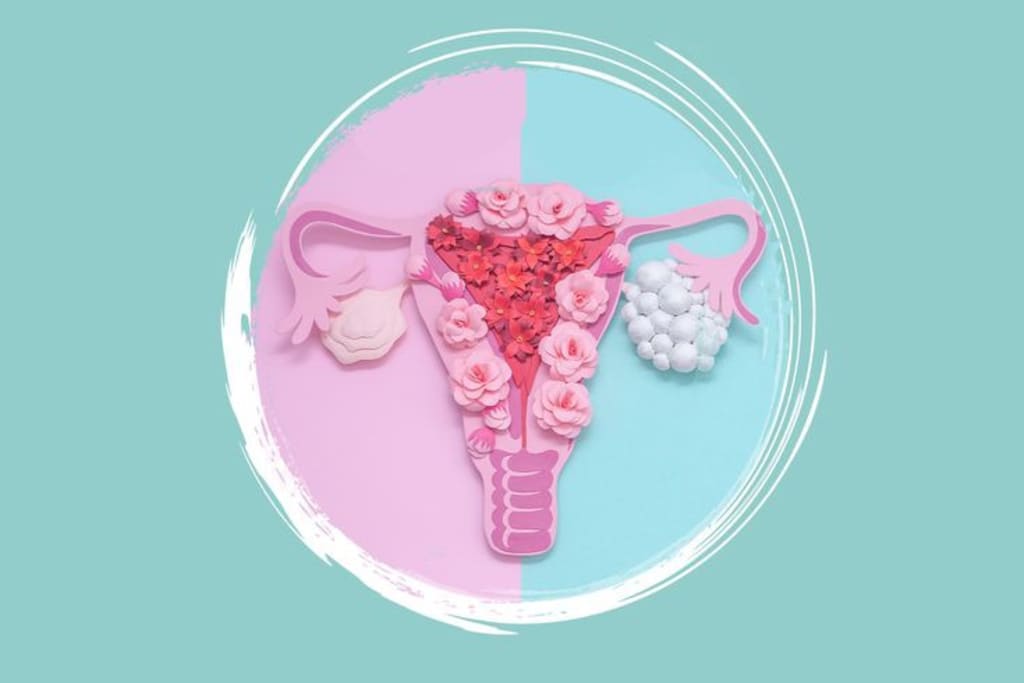
The female reproductive system is a complex and vital part of human biology, responsible for the processes of reproduction, hormonal regulation, and overall reproductive health. This system not only plays a crucial role in the continuation of the species but also significantly influences the physical and emotional well-being of women. In this article, we will explore the anatomy, functions, and importance of the female reproductive system.
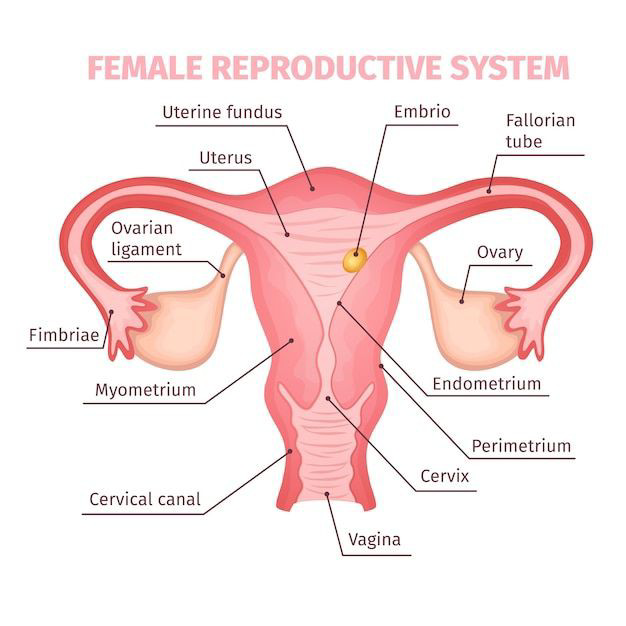
The female reproductive system primarily consists of internal and external structures.
Internal Structures
1.Ovaries: The ovaries are two small, almond-shaped organs located on either side of the uterus. They are responsible for producing eggs (ova) and hormones such as estrogen and progesterone.
2. Fallopian Tubes: These tubes extend from the ovaries to the uterus and serve as the pathway for eggs to travel. Fertilization typically occurs here when sperm meets the egg.
3. Uterus: The uterus, or womb, is a muscular organ where a fertilized egg can implant and develop into a fetus. Its lining, known as the endometrium, thickens each month in preparation for a potential pregnancy.
4. Cervix: The cervix is the lower part of the uterus that connects to the vagina. It plays a critical role during childbirth, dilating to allow the passage of the baby.
5. Vagina: The vagina is a muscular canal that connects the external genitals to the uterus. It serves multiple purposes, including acting as the birth canal and the passage for menstrual fluid.
External Structures
1. Labia: The labia majora and labia minora are folds of skin that protect the vaginal opening and urethra.
2. Clitoris: The clitoris is a small, sensitive organ located at the top of the vulva. It is primarily involved in sexual arousal.
3. Urethra: The urethra is the tube through which urine exits the body, located just above the vaginal opening.
Functions of the Female Reproductive System
The female reproductive system has several key functions:
1. Reproduction: The primary function is the production of eggs and the facilitation of fertilization. If fertilization occurs, the system supports the development of the embryo into a fetus.
2. Hormonal Regulation: The ovaries produce hormones that regulate the menstrual cycle, influence sexual development, and maintain pregnancy.
3. Menstrual Cycle: The menstrual cycle prepares the body for potential pregnancy each month. It involves the thickening of the uterine lining, ovulation, and, if pregnancy does not occur, the shedding of this lining during menstruation.
4. Sexual Function:The system contributes to sexual pleasure and arousal, facilitating reproductive behavior.
Importance of Female Reproductive Health
Maintaining the health of the female reproductive system is crucial for overall well-being. Regular gynecological check-ups, awareness of menstrual health, and understanding the symptoms of reproductive disorders (such as polycystic ovary syndrome or endometriosis) are essential for early detection and treatment.
Additionally, lifestyle factors such as a balanced diet, regular exercise, and avoiding harmful substances can support reproductive health. Education and access to healthcare resources empower women to take charge of their reproductive health.
The female reproductive system is a remarkable and intricate network that plays a significant role in reproduction and overall health. Understanding its anatomy and functions helps demystify the processes of reproduction and highlights the importance of maintaining reproductive health. By fostering awareness and education, we can support women in navigating their reproductive journeys with knowledge and confidence.
About the Creator
Enjoyed the story? Support the Creator.
Subscribe for free to receive all their stories in your feed.
Comments
There are no comments for this story
Be the first to respond and start the conversation.