
Understanding PCOD: Navigating the Challenges of Polycystic Ovary Disorder
Discover the causes, symptoms, and treatments of Polycystic Ovary Disorder (PCOD). Learn how lifestyle changes and medical care can manage this condition effectively.

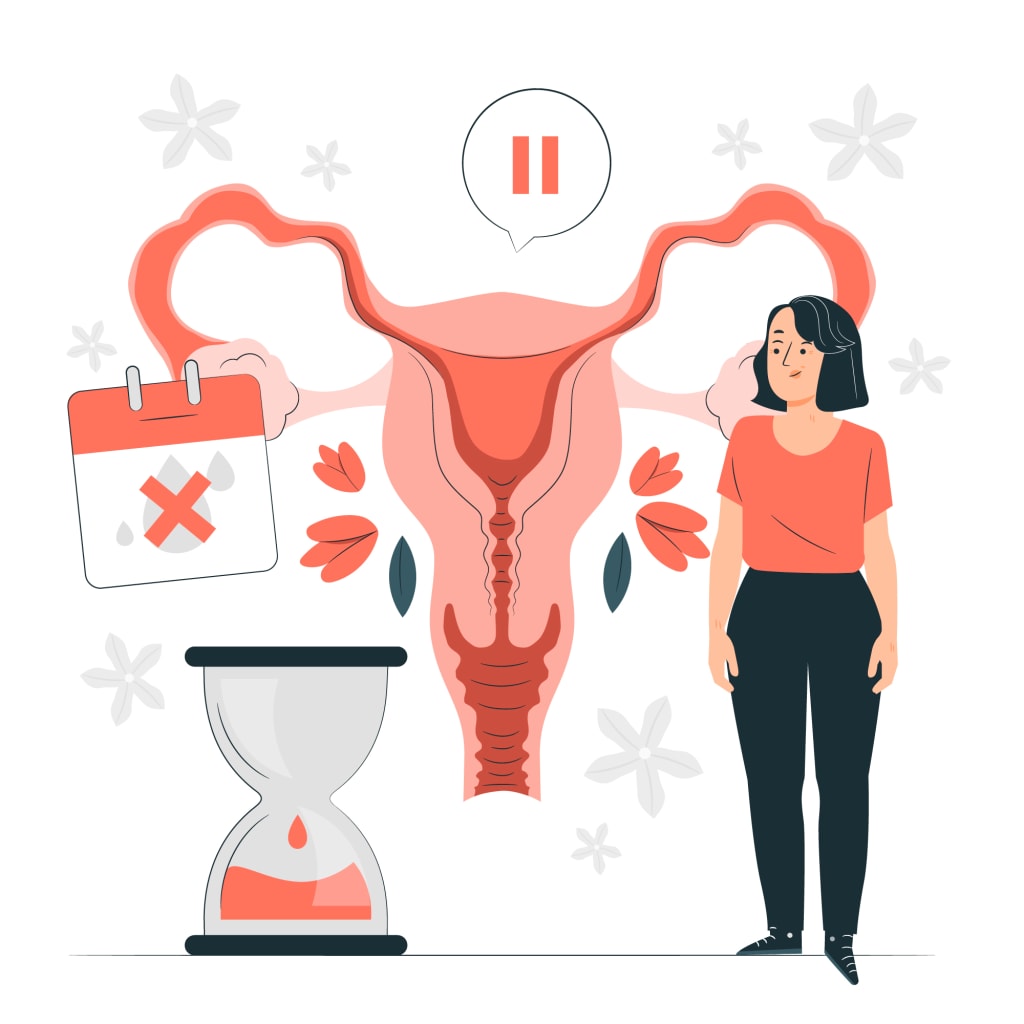
Polycystic Ovary Disorder (PCOD) is a common hormonal condition affecting millions of women worldwide. Despite its prevalence, many women struggle with understanding the disorder and managing its symptoms. This article aims to shed light on PCOD, its causes, symptoms, and the available treatment options.
What is PCOD?
Polycystic Ovary Disorder (PCOD) is a common hormonal condition that affects the functioning of a woman’s ovaries. In PCOD, the ovaries produce an abnormally high number of immature or partially matured eggs. These eggs, instead of being released during ovulation, remain in the ovaries and form small, fluid-filled sacs called cysts. Over time, this leads to an imbalance in reproductive hormones, which can disrupt the menstrual cycle and trigger a variety of physical and emotional symptoms.
It’s important to note that PCOD is often confused with Polycystic Ovary Syndrome (PCOS). While both conditions share similarities, they are distinct. PCOD is generally considered a milder form of ovarian dysfunction, with a lesser impact on fertility compared to PCOS. Women with PCOD may still ovulate occasionally, making it easier to conceive than those with PCOS.
Causes of PCOD
Although the exact cause of PCOD is not fully understood, researchers have identified several factors that play a significant role in its development:
1. Hormonal Imbalance
An increase in androgens, often referred to as "male hormones," is a hallmark of PCOD. Women naturally produce small amounts of androgens, but in PCOD, the levels are abnormally high. This disrupts the regular process of ovulation, preventing the eggs from developing and releasing properly. As a result, women may experience irregular menstrual cycles, acne, and excessive hair growth in areas like the face and chest (a condition known as hirsutism).
2. Insulin Resistance
Insulin resistance is a condition where the body’s cells become less responsive to insulin, a hormone that helps regulate blood sugar levels. To compensate, the pancreas produces more insulin. Elevated insulin levels can stimulate the ovaries to produce more androgens, exacerbating hormonal imbalances. Insulin resistance is a common issue in women with PCOD, and it is closely linked to weight gain and an increased risk of type 2 diabetes.
3. Genetic Predisposition
Family history is another significant factor. Women with a close relative—such as a mother, sister, or aunt—who has PCOD or other hormonal disorders are at a higher risk of developing the condition themselves. This suggests a genetic component, although the specific genes involved remain under investigation.
4. Lifestyle and Environmental Factors
While not direct causes, unhealthy lifestyle habits such as poor diet, lack of exercise, and chronic stress can worsen symptoms of PCOD. These factors may amplify existing hormonal imbalances and insulin resistance, making the condition more challenging to manage.
Understanding these underlying causes is essential for developing effective strategies to manage PCOD. Early intervention and tailored treatment plans can significantly reduce the condition's impact on overall health and well-being.
Common Symptoms
PCOD manifests differently in every individual, but some of the most common symptoms include:
- Irregular periods or missed cycles
- Acne and oily skin
- Unwanted hair growth (hirsutism)
- Thinning hair or hair loss
- Weight gain, particularly around the abdomen
- Difficulty conceiving due to irregular ovulation
- Health Risks Associated with PCOD
If left unmanaged, PCOD can lead to more serious health complications such as:
Type 2 diabetes
- Hypertension and cardiovascular diseases
- Endometrial cancer
- Depression and anxiety
- Treatment and Management
While there is no cure for PCOD, the condition can be managed effectively through a combination of lifestyle changes and medical intervention.
Lifestyle Modifications:
Diet: A balanced diet rich in fruits, vegetables, lean proteins, and whole grains can help maintain a healthy weight and regulate insulin levels.
Exercise: Regular physical activity improves insulin sensitivity and promotes hormonal balance.
Medications:
- Birth control pills are often prescribed to regulate menstrual cycles.
- Anti-androgen medications can reduce unwanted hair growth and acne.
- Insulin-sensitizing drugs like metformin are useful for managing insulin resistance.
Fertility Treatments:
For women struggling with infertility, treatments like ovulation induction or in-vitro fertilization (IVF) may be recommended.
The Importance of Early Diagnosis
Early detection and management of PCOD are crucial for minimizing its impact. If you experience symptoms like irregular periods or unexplained weight gain, consult a healthcare professional promptly.
Conclusion
Living with PCOD can be challenging, but understanding the condition is the first step towards effective management. With the right combination of lifestyle changes, medical care, and support, women with PCOD can lead healthy, fulfilling lives.
For expert care and guidance, visit Sumiran Hospital, a leading IVF hospital in Ahmedabad, where our team of specialists is committed to providing personalized treatment plans tailored to your needs.Conclusion
About the Creator
Sumiran Women's Hospital
Sumiran Women's Hospital is a trusted name in healthcare, offering advanced IVF and fertility treatments in Ahmedabad. Recognized as the best IVF hospital in Ahmedabad, we specialize in IVF, maternity, and gynecological care.
Enjoyed the story? Support the Creator.
Subscribe for free to receive all their stories in your feed.
Comments
There are no comments for this story
Be the first to respond and start the conversation.