
Understanding Nanometers in CPUs: Why Smaller Means Smarter
How transistor size affects speed, power, and performance in modern processors
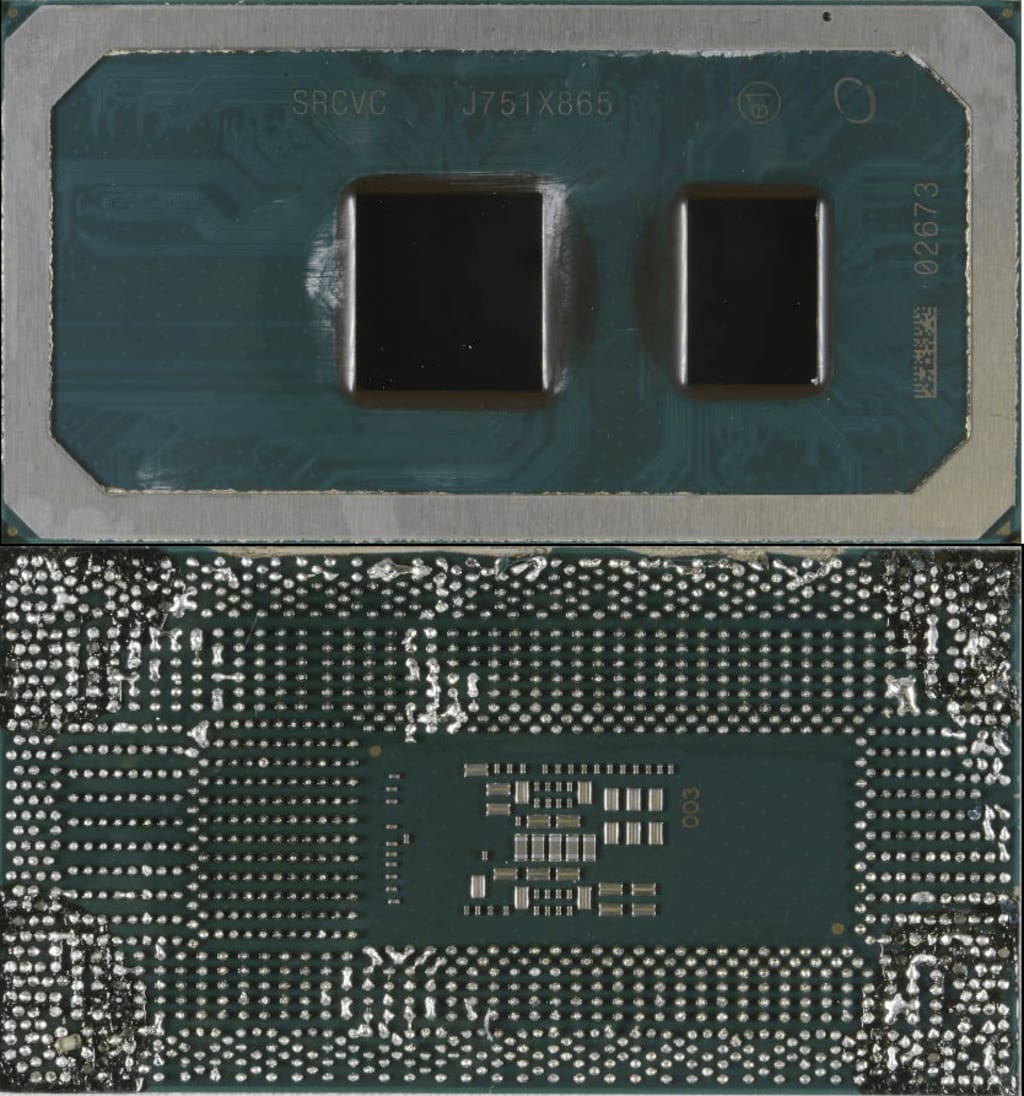
When you hear people say something like “this chip is 5nm” or “Intel’s using 10nm,” they’re talking about how tiny the transistors are inside a CPU. But wait—what even is a transistor?
Transistors are like tiny switches that turn on and off to help a CPU do math, run apps, play games—basically, do everything. A modern CPU has billions of these transistors packed into it. Like fr, your phone or laptop is basically a mega-fast calculator made of tiny light switches going click-click millions of times per second.
What Does “nm” Even Mean?
"nm" stands for nanometer, which is one billionth of a meter. That’s crazy small. Like, you can’t even see it with a normal microscope small. If you stacked like 100,000 nanometers, that’s just the width of a single human hair.
So when someone says “this CPU is built on a 3nm process,” they’re saying the transistors and wires inside it are 3 nanometers wide. That’s ridiculously tiny.
Why Do We Want Smaller nm?
There are 3 main reasons why chip makers wanna shrink down to smaller nm sizes:
More power, same size: If the transistors are smaller, you can fit more of them in the same space. More transistors = smarter and faster chip.
Less power usage: Smaller transistors need less electricity to work, so your phone or laptop lasts longer without charging.
Less heat: Less power = less heat. That’s why newer CPUs don’t get as hot and don’t need giant fans like old PCs used to.
Is Smaller Always Better?
Mostly yeah, but not always.
Shrinking stuff down gets super hard the closer we get to atoms. Like, we’re at the point now where 3nm or 2nm is basically a few atoms wide. It’s wild.
Also, smaller doesn’t always mean faster. There’s stuff like:
Heat density: Cram too many transistors too close and it could overheat fast.
Leaks: When things get super tiny, electricity might leak where it’s not supposed to, like juice spilling from a cracked bottle.
So, engineers gotta find a balance. They can't just keep shrinking forever like it's Minecraft creative mode or something.
Real-Life Example
Let’s take Apple’s chips. Their M1 chip was built on 5nm tech. It was super fast, super efficient. Then came the M3 chip built on 3nm, and it got even better—more speed, better battery life, less heat. Same with iPhones. The newer ones use smaller nm chips, and they always flex better performance with longer battery life.
Intel, AMD, Qualcomm, and Samsung also do this. It’s like a race to see who can make the smallest, best-performing chip.
Wait, nm Used to Mean Something Else?
Yup. Back in the day, “nm” was the actual physical measurement of transistor size. But now, it's more like marketing. Like, Intel’s “10nm” and TSMC’s “7nm” might be kinda the same in real life, but they call it different things. So don’t always trust the numbers unless you know who made the chip.
It’s kinda like sneaker sizes being different in the US and UK—same shoe, different label.
The Future?
Right now we’re around 3nm to 2nm. Companies are already working on 1.4nm and even 1nm tech. After that, we might hit the physical limit of how small things can get. Like, you can’t go smaller than atoms, bro.
So after that, the focus might shift to new materials (like graphene), new chip designs (3D stacking), or even quantum computing (that weird science magic stuff).
TL;DR Recap:
nm = nanometers = transistor size
Smaller nm = faster, cooler, and more power-efficient CPUs
It’s not just size—it’s also about design, materials, and power control
Smaller isn’t always better, but it’s usually the goal
We’re getting closer to the limits of physics, but tech always finds a way
About the Creator
Enjoyed the story? Support the Creator.
Subscribe for free to receive all their stories in your feed.
Comments
There are no comments for this story
Be the first to respond and start the conversation.