
Top Tips for IELTS Preparation
Understand the Test Format
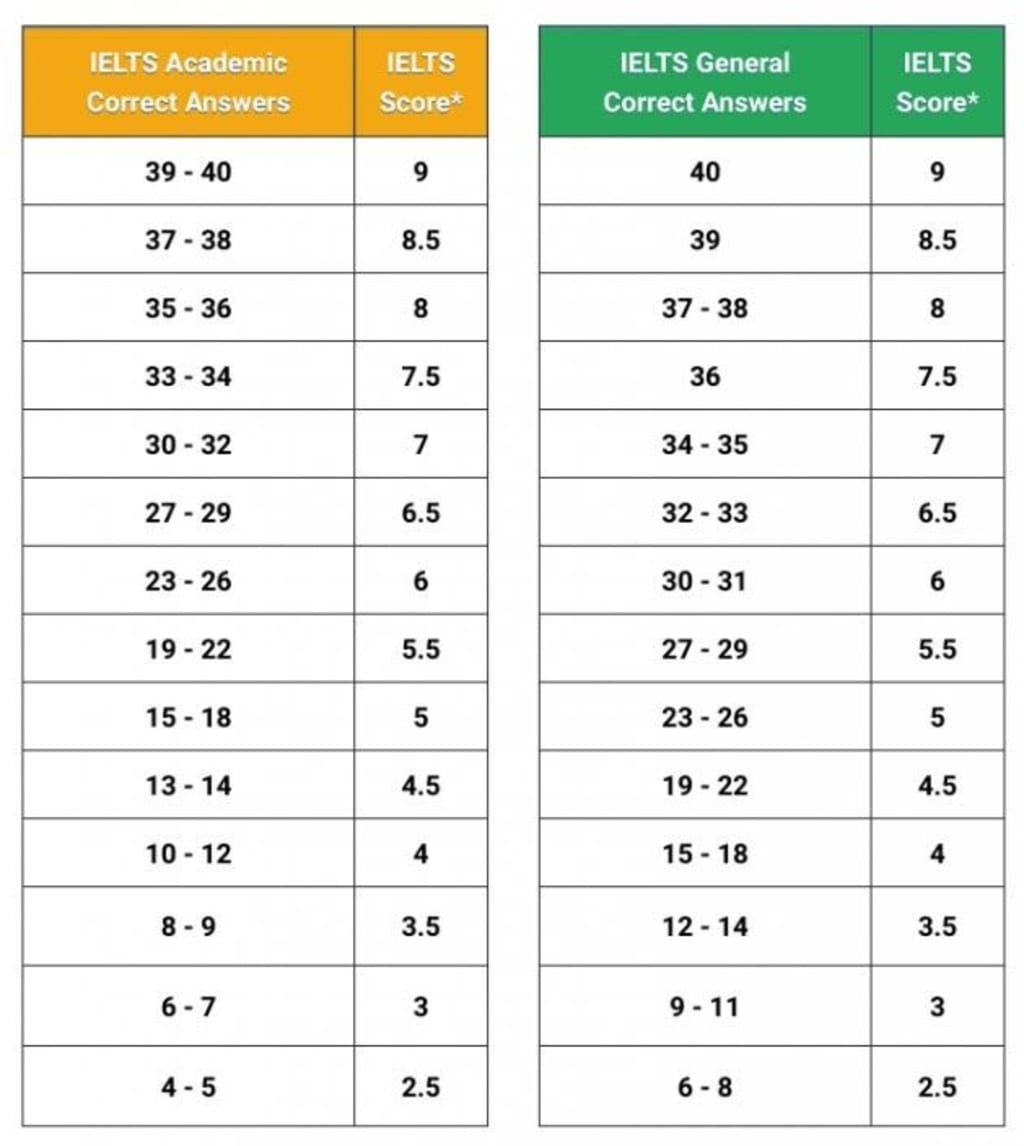
Preparing for the IELTS exam can be a daunting task, but with the right strategies and mindset, you can boost your confidence and improve your chances of achieving your desired score. Here are some top tips to help you effectively prepare for the IELTS exam:
1. Understand the Test Format
Before diving into your study plan, familiarize yourself with the structure of the IELTS exam. Understanding the different sections—Listening, Reading, Writing, and Speaking—will help you know what to expect on test day. Review the types of questions, timing, and scoring criteria for each section to tailor your preparation accordingly.
2. Set Realistic Goals
Setting specific and achievable goals is crucial for effective preparation. Determine your target band score based on your needs, whether for university admission, job applications, or immigration purposes. Break down your study plan into manageable milestones, focusing on improving different skills over time.
3. Practice Regularly
Consistency is key to success in IELTS preparation. Set aside dedicated study time each day to practice different sections of the test. Use official IELTS practice materials, sample questions, and mock tests to simulate the exam environment. Regular practice will help you build confidence and familiarity with the test format.
4. Enhance Your Vocabulary
A strong vocabulary is essential for success in all four sections of the IELTS exam. Read widely—from newspapers and magazines to academic articles and fiction—to expose yourself to new words and phrases. Keep a vocabulary journal to note down new words, their meanings, and example sentences. Practice using these words in context to solidify your understanding.
5. Focus on Listening Skills
To excel in the Listening section, practice active listening. Listen to various English audio materials, such as podcasts, news broadcasts, and audiobooks. Try to summarize what you’ve heard and pay attention to different accents. Take notes while listening to help you retain information and improve your ability to follow conversations.
6. Read, Read, Read
For the Reading section, practice skimming and scanning techniques to quickly locate information in texts. Read a variety of materials to improve your reading speed and comprehension skills. Focus on identifying the main ideas, supporting details, and the author’s purpose in different types of texts. Time yourself while practicing to develop a sense of urgency similar to that of the actual test.
7. Master Writing Tasks
In the Writing section, practice writing essays and reports within the allocated time limits. Familiarize yourself with the assessment criteria, which include coherence, cohesion, lexical resource, and grammatical range and accuracy. Review sample tasks and model answers to understand how to structure your writing effectively. Seek feedback from teachers or peers to identify areas for improvement.
8. Prepare for the Speaking Test
For the Speaking section, practice speaking English regularly with friends, family, or language partners. Record yourself answering common IELTS speaking prompts to evaluate your fluency and pronunciation. Focus on elaborating your answers and providing examples to support your points. Familiarize yourself with common topics and practice discussing them in depth.
9. Take Mock Tests
Simulating real test conditions through mock tests can help reduce anxiety and build familiarity with the exam format. Take full-length practice tests, adhering to the time limits for each section. Analyze your performance afterward to identify strengths and weaknesses, and adjust your study plan accordingly.
10. Stay Healthy and Manage Stress
Maintaining your physical and mental well-being is crucial during your preparation period. Ensure you get enough rest, eat a balanced diet, and engage in regular exercise. Practice relaxation techniques, such as deep breathing or meditation, to manage stress and anxiety leading up to the test. A calm mind will help you focus better and perform at your best.
Conclusion
Preparing for the IELTS exam requires dedication, practice, and a strategic approach. By understanding the test format, setting realistic goals, and consistently practicing your language skills, you can boost your confidence and improve your chances of achieving a high score. Remember to stay healthy and manage stress during your preparation journey, and you’ll be well on your way to success in the IELTS exam. Good luck!
About the Creator
Enjoyed the story? Support the Creator.
Subscribe for free to receive all their stories in your feed.
Comments
There are no comments for this story
Be the first to respond and start the conversation.