
Top 10 Myths About Varicose Veins Debunked
Debunking Varicose Veins Myths
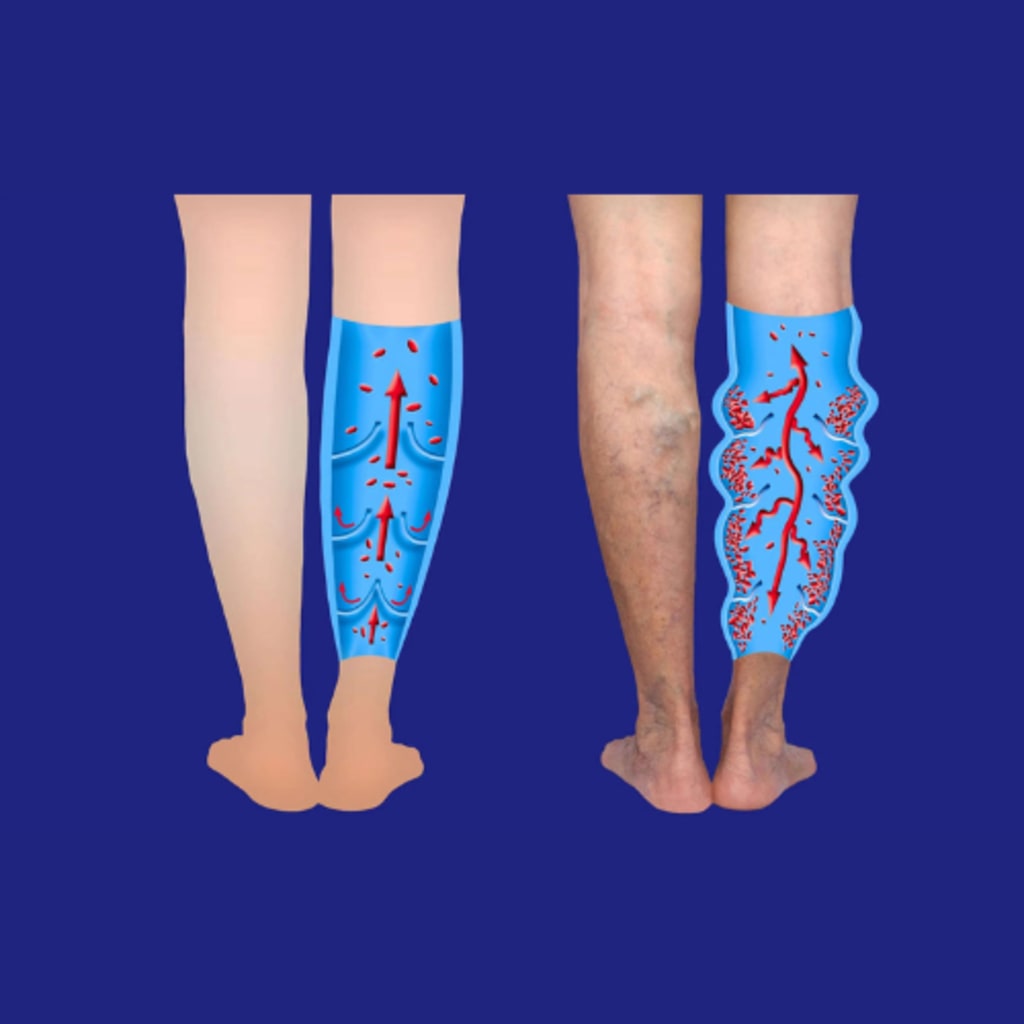
Varicose veins are a prevalent condition, affecting an estimated 25% of women and 15% of men globally, according to a report by chicagoveininstitute. These swollen, twisted veins can cause discomfort and be a source of aesthetic concern. While there's no permanent cure, treatment options can significantly improve leg appearance and alleviate symptoms.
Let's debunk some common myths surrounding varicose veins so you can take charge of your leg health:
Myth 1: Lifestyle Habits Cause Varicose Veins
Fact: Contrary to popular belief, neither tight clothing nor habitually crossing your legs directly cause varicose veins. The real culprit lies in weakened valves within leg veins. These valves ensure blood flow back to the heart. When weakened, blood pools in the veins, causing them to bulge and twist. Tight clothing might make varicose veins more visible, and crossing your legs for extended periods can increase pressure in your veins, but neither is a direct cause.
Myth 2: Just a Cosmetic Issue
Fact: Beyond their unsightly appearance, varicose veins can cause a range of symptoms like pain, swelling, itching, and a heavy feeling in the legs. In severe cases, they can even lead to complications like blood clots (phlebitis) and skin ulcers. Don't ignore these symptoms – seek medical advice from a doctor or a vein specialist (phlebologist).
Understanding Varicose Veins: Causes and Risk Factors
While weakened valves are the primary cause, several factors can increase your risk of developing varicose veins:
- Genetics: If your family has a history of varicose veins, you're more likely to develop them.
- Age: As we age, the valves in our veins weaken, making varicose veins more common with increasing age.
- Pregnancy: Hormonal changes during pregnancy can weaken vein walls and increase blood volume, putting extra strain on the veins.
- Obesity: Excess weight puts extra pressure on your veins, making them more susceptible to becoming varicose.
- Sitting or Standing for Long Periods: Occupations that require prolonged sitting or standing can restrict blood flow and increase the risk of varicose veins.
- Gender: While both men and women can develop varicose veins, women are more prone to them due to hormonal fluctuations during pregnancy and menopause.
Myth 3: Prevention is Impossible
Fact: The good news is, you can take steps to reduce your risk of varicose veins:
- Maintain a Healthy Weight: Managing your weight reduces pressure on your veins.
- Move Your Body: Regular exercise improves circulation and reduces pressure in your legs. Aim for at least 30 minutes of moderate-intensity exercise most days of the week. Walking, swimming, and cycling are excellent choices.
- Elevate Those Legs: Whenever possible, elevate your legs above the level of your heart to improve circulation. Prop them up on pillows while relaxing or sleeping.
- Avoid Prolonged Sitting or Standing: Take regular breaks to move around and prevent blood from pooling in your legs. If your job requires prolonged standing, wear compression stockings and elevate your legs whenever possible.
- Wear Compression Stockings: These stockings apply gentle pressure to your legs, which can improve circulation and reduce swelling. Consult your doctor for guidance on choosing the right compression level for you.
Myth 4: Pregnancy Causes Varicose Veins
Fact: While pregnancy and varicose veins are often correlated, pregnancy doesn't directly cause them. The increased pressure on the pelvis and legs during pregnancy can worsen existing varicose veins or make them more noticeable. However, these symptoms often improve after childbirth. If you experience varicose veins during or after pregnancy, consult your doctor to discuss management options and prevent further complications.
Myth 5: A Women-Only Problem
Fact: While hormonal changes during pregnancy and menopause can increase a woman's risk, varicose veins affect both men and women. Age and family history also play a role. Men may experience symptoms like fatigue, achiness, and swelling in the legs.
Myth 6: Home Remedies are the Answer
Fact: Unfortunately, there's no scientific evidence to support the effectiveness of home remedies for varicose vein treatment. While some people find relief from elevating their legs, applying cool compresses, or using topical creams, these are temporary measures. If you suspect varicose veins, consult a doctor for proper diagnosis and explore evidence-based treatment options.
Myth 7: Surgery is the Only Option
Fact: Today, several minimally invasive, non-surgical treatments are available for varicose veins. These offer faster recovery times and less discomfort compared to traditional surgery.
Here are some common options:
- Sclerotherapy: Injections of a solution that closes off the varicose vein. This is a safe and effective option for small to medium-sized varicose veins.
- Laser Ablation: Uses laser energy to seal the vein shut. This treatment is suitable for larger varicose veins.
- Radiofrequency Ablation: Similar to laser ablation, but uses radiofrequency waves to close the vein. This treatment is effective for larger varicose veins.
- Microphlebectomy: This minimally invasive procedure involves removing small varicose veins through tiny incisions in the skin.
Myth 8: Be Prepared for Pain
Fact: Most varicose vein treatments are minimally invasive and cause minimal discomfort. You might experience some soreness or bruising afterward, but these usually resolve quickly.
Myth 9: They'll Disappear on Their Own
Fact: Left untreated, varicose veins are likely to worsen over time. Don't wait for symptoms to escalate – seek professional help early on. Early intervention can prevent complications and improve your quality of life.
Myth 10: One Leg Means Both Will Follow
Fact: It's common to have varicose veins in both legs, but not guaranteed. Early diagnosis and treatment can help prevent further development in the other leg.
Taking Charge of Your Leg Health
If you're concerned about varicose veins, schedule an appointment with your doctor for varicose veins treatment. Early diagnosis and treatment can significantly improve your quality of life and prevent complications. Don't hesitate to discuss treatment options that are right for you.
Additional Tips
- Wear compression stockings as recommended by your doctor to improve circulation and reduce swelling.
- Maintain a healthy diet rich in fruits, vegetables, and whole grains to promote overall vascular health.
- Stay hydrated by drinking plenty of water throughout the day.
Living With Varicose Veins
Even with treatment, varicose veins can sometimes recur. Here are some more lifestyle changes that can help you manage varicose veins and prevent them from worsening apart from the ones already mentioned in the blog:
- Increase your intake of fiber: Fiber helps regulate digestion and reduce constipation, which can put strain on your veins.
- Reduce your salt intake: Excessive salt intake can contribute to fluid retention, which can worsen varicose veins.
Remember, early diagnosis and treatment are key to managing varicose veins effectively. By following these tips and working with your doctor, you can keep your legs healthy and pain-free.
About the Creator
Vital Vein & Vascular
Welcome to Vital Vein and Vascular, a renowned vascular surgery practice dedicated to providing exceptional hospital and outpatient procedures.
Enjoyed the story? Support the Creator.
Subscribe for free to receive all their stories in your feed.
Comments
There are no comments for this story
Be the first to respond and start the conversation.