
Tips for Defensive Driving in Heavy Traffic in Belgium
Driving in heavy traffic can be a challenging and stressful experience
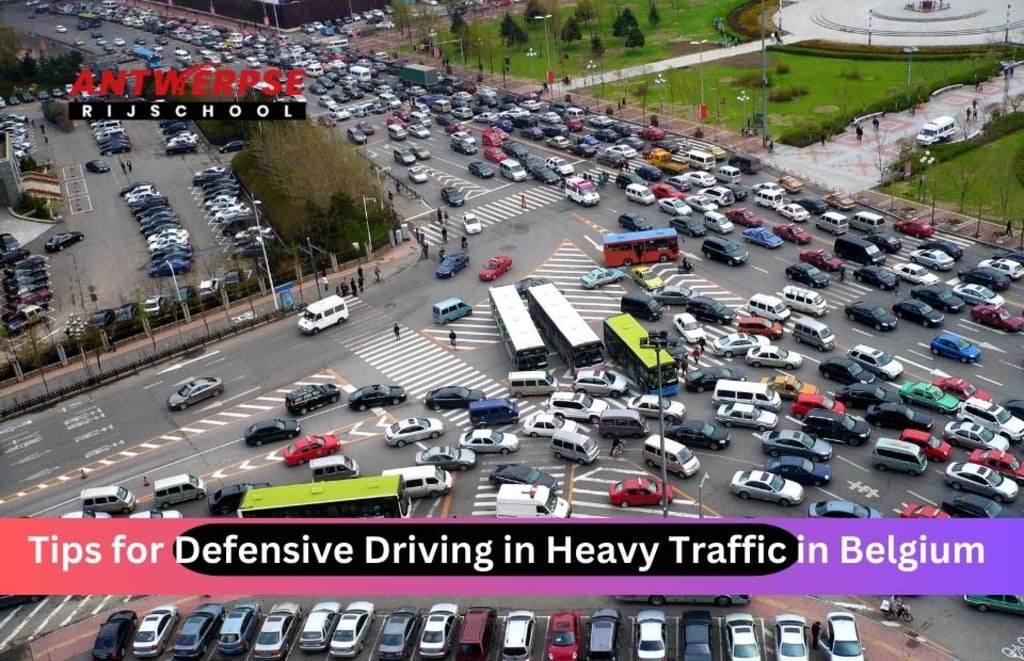
Driving in heavy traffic can be a challenging and stressful experience, especially in busy urban areas of Belgium. Employing defensive driving techniques is essential to navigate through congested roads safely and efficiently. This article provides valuable tips for practicing defensive driving in heavy traffic in Belgium, empowering drivers to remain calm, alert, and proactive behind the wheel.
Maintain a Safe Following Distance
Keeping a safe following distance is crucial when driving in heavy traffic. Leave ample space between your vehicle and the one in front of you to allow for sudden stops or changes in traffic flow. A good rule of thumb is to maintain a minimum of two seconds of following distance, which can be increased to three seconds or more in heavy traffic conditions. This distance provides you with enough time to react and avoid collisions.
Stay Alert and Eliminate Distractions
In heavy traffic, it is vital to stay alert and focused on the road. Eliminate distractions inside the vehicle by refraining from using mobile devices, adjusting the radio, or engaging in activities that divert your attention. Keep your eyes on the road, scan the surroundings, and anticipate potential hazards. Remaining vigilant allows you to react promptly to sudden changes in traffic patterns and avoid potential accidents.
Use Mirrors and Check Blind Spots Regularly
Utilize your mirrors frequently and check your blind spots before changing lanes or making maneuvers. Being aware of the positions and movements of vehicles around you helps you make informed decisions while navigating through heavy traffic. Use your side mirrors and rearview mirror to monitor the traffic situation and stay mindful of any vehicles entering your blind spots.
Signal Early and Communicate Intentions
Signaling early and clearly communicating your intentions to other drivers is crucial in heavy traffic. Use your indicators in advance when changing lanes, merging, or making turns. This allows other drivers to anticipate your movements and adjust accordingly. Clear and timely signaling promotes smoother traffic flow and minimizes the chances of unexpected lane changes or collisions.
Be Patient and Avoid Aggressive Behavior
Patience is key when driving in heavy traffic. Avoid aggressive behaviors such as tailgating, honking excessively, or weaving through lanes. Aggressive driving only escalates tension and increases the risk of accidents. Stay calm, maintain your composure, and be respectful towards other drivers. Remember that everyone is dealing with the same challenging traffic conditions.
Plan Ahead and Consider Alternate Routes
Before embarking on your journey, plan ahead and consider alternate routes if available. Utilize navigation systems or traffic apps to stay updated on current traffic conditions and potential congested areas. Choosing less-traveled routes or alternative roads can help you avoid the worst traffic jams and reduce your travel time.
Conclusion:
Driving in heavy traffic requires a defensive mindset and a focus on safety. By maintaining a safe following distance, staying alert, using mirrors effectively, signaling clearly, and practicing patience and courtesy, you can navigate heavy traffic in Belgium with confidence. Being proactive and employing these defensive driving tips promotes a smoother flow of traffic, reduces the risk of accidents, and contributes to a safer and more pleasant driving experience for everyone on the road.
About the Creator
Enjoyed the story? Support the Creator.
Subscribe for free to receive all their stories in your feed.
Comments
There are no comments for this story
Be the first to respond and start the conversation.