
: “The World of Chemistry: Its Importance and Role in Our Everyday Life
Introduction, Branches, importance, Conclusion

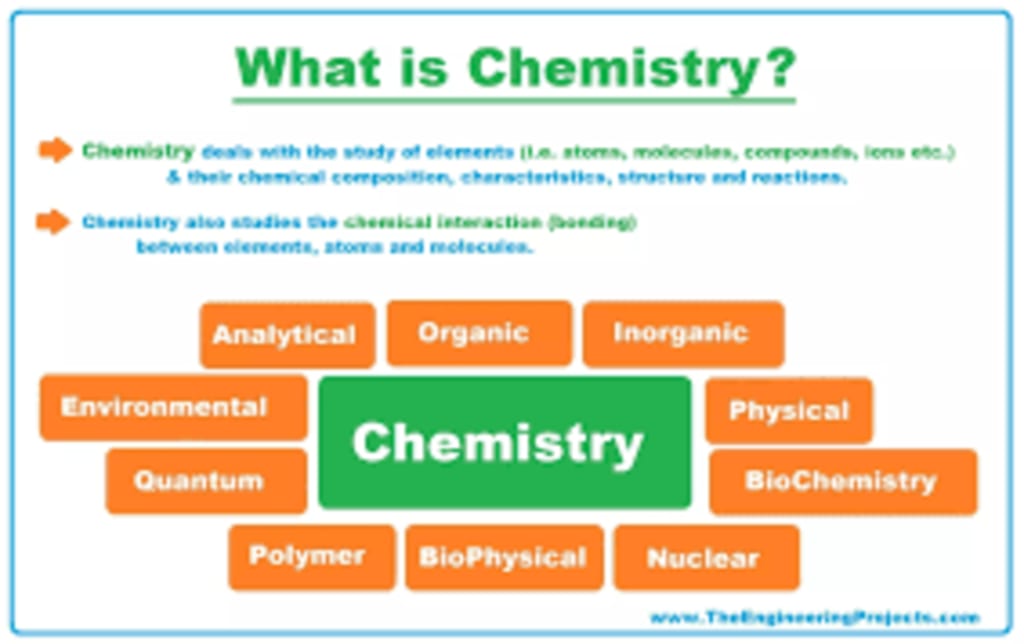
Chemistry – The Central Science of Everyday Life --- 1. Introduction Chemistry is the branch of science that explores the composition, structure, properties, and changes of matter. It seeks to answer essential questions like: What is this made of? How does it react? Why does it change? From the oxygen we inhale to the fuel that powers our vehicles, chemistry plays a role. It helps explain why leaves turn yellow in autumn, how cooking oil fries food, or how medications cure illnesses. Everything around us — from the soft drinks we sip to the smartphones we use — involves chemistry in some form. Chemistry is called the “central science” because it links physical sciences (like physics) with biological sciences (like biology and medicine). Understanding chemistry means understanding how the world works at a fundamental level — from molecules to mountains. --- 2. Main Branches of Chemistry Chemistry is a vast field divided into several specialized branches. Each focuses on a particular type of substance or process: a. Organic Chemistry This branch deals with compounds made primarily of carbon and hydrogen, often including oxygen, nitrogen, sulfur, and more. These compounds form the basis of all life. Examples: fuels (gasoline, diesel), plastics (polyethylene), medicines (aspirin), perfumes, synthetic fibers, food flavors, pesticides. Why important? Organic chemistry helps in drug development, materials science, and understanding living organisms. --- b. Inorganic Chemistry Inorganic chemistry studies compounds that are not based on carbon-hydrogen bonds, such as metals, salts, and minerals. Examples: table salt (NaCl), ammonia (NH₃), sulfuric acid, ceramic materials, paint pigments, catalysts. Applications: Used in manufacturing, construction materials, fertilizers, and water treatment. --- c. Physical Chemistry This field combines chemistry and physics. It explains how and why chemical reactions happen and studies the physical properties of matter. Topics covered: thermodynamics, reaction kinetics, equilibrium, phase changes, quantum mechanics. Applications: energy storage systems (batteries), industrial chemical reactions, explosives, and fuel efficiency. --- d. Analytical Chemistry Analytical chemistry focuses on identifying and measuring substances. It answers questions like "What is this made of?" and "How much of a substance is present?" Used in: food quality control, forensic labs, environmental testing, pharmaceutical research. Examples: blood sugar testing, water contamination analysis, testing drug purity. --- e. Biochemistry Biochemistry studies the chemistry of living organisms. It looks at biological molecules like proteins, DNA, RNA, carbohydrates, and lipids. Applications: medicine, genetic engineering, nutrition science, disease research, metabolic studies. Examples: how enzymes work, how food is digested, how cells produce energy. --- f. Industrial Chemistry (New Addition) This branch focuses on large-scale production of chemicals and materials used in industries. Examples: manufacturing of fertilizers, cement, glass, petrochemicals, soaps. Importance: Helps optimize production processes, minimize cost, and improve sustainability. --- 3. Chemistry in Daily Life Though often unnoticed, chemistry touches every aspect of our everyday routine: --- a. In Food and Cooking Cooking involves chemical changes like Maillard reactions (browning of food), boiling, frying, and baking. Preservatives (like sodium benzoate) prevent microbial growth. Additives improve flavor, color, and texture (e.g., MSG, citric acid). Nutritional labels use data from chemical analysis to calculate calories, proteins, fats, etc. --- b. In Cleaning and Hygiene
Soaps and detergents break grease and dirt through emulsification. Antibacterial agents in sanitizers kill germs. Shampoos, toothpaste, deodorants, and cosmetics are chemical formulations. Bleaching agents like hydrogen peroxide are used in laundry. --- c. In Health and Medicine Medicines such as antibiotics, painkillers, insulin, and vaccines are products of chemistry. Chemical processes are used to extract, synthesize, and purify medicines. Diagnostic tools like pregnancy tests, glucose tests, and cancer markers rely on chemical reactions. Radiopharmaceuticals are used in cancer treatment and imaging. --- d. In Agriculture Fertilizers like urea and ammonium nitrate supply nutrients (N, P, K) to plants. Pesticides (herbicides, fungicides, insecticides) protect crops from damage. Soil testing reveals pH, nitrogen levels, and mineral deficiencies. Genetically modified organisms (GMOs) involve biochemical techniques. --- e. In Fashion and Clothing Synthetic fibers (polyester, nylon, rayon) are made from petrochemicals. Dyeing uses color-fast chemical dyes. Waterproofing and fireproofing treatments are chemical coatings. Perfumes and body sprays are made from alcohols and esters. --- f. In Technology and Electronics Batteries (like lithium-ion) involve electrochemical reactions. Semiconductors like silicon are purified and doped using chemical methods. LED screens, solar panels, and sensors contain complex chemical components. Nanotechnology, based on chemistry, is used in displays and medical devices. --- g. In Home and Lifestyle (New Addition) Air fresheners use volatile chemicals to spread aroma. Non-stick cookware uses Teflon, a synthetic chemical. Fire extinguishers contain chemicals like carbon dioxide or potassium bicarbonate. --- 4. Chemistry and the Environment Chemistry helps solve environmental challenges and build a sustainable future. --- a. Green Chemistry Focuses on designing products and processes that minimize environmental harm. Promotes recyclable materials, renewable energy, and waste reduction. Replaces toxic substances with eco-friendly alternatives. --- b. Water Purification Processes like chlorination, filtration, and reverse osmosis are based on chemical principles. Used in municipal treatment plants and portable water filters. Removes bacteria, heavy metals, and chemical pollutants. --- c. Air Pollution Control Scrubbers neutralize acidic gases in industries. Catalytic converters reduce emissions in vehicles by converting toxic gases to less harmful ones. Carbon capture technologies absorb CO₂ to combat climate change. --- d. Waste Management (New Addition) Chemistry helps recycle plastics and metals. Composting is a biological chemical process. Biodegradable materials and plastic alternatives are being developed. --- 5. Importance of Chemistry for Students Chemistry is not only vital for scientists — it empowers students in multiple ways: --- a. Career Pathways Medicine: Understanding drug interactions, body chemistry. Engineering: Materials design, energy systems. Environmental Science: Pollution control, waste treatment. Agriculture: Soil chemistry, fertilizers. Pharmaceuticals: Drug synthesis and safety. Forensics: Crime scene analysis, toxicology. --- b. Skill Development Critical thinking: Analyze and solve problems logically. Observation: Notice small changes and patterns. Lab techniques: Learn how to measure, mix, and analyze substances. Teamwork & communication: Experiments often require collaboration. --- c. Scientific Awareness Students learn to question, test, and verify ideas — the basis of science. Understand current issues like climate change, food safety, and public health. Chemistry connects textbook knowledge with real-world applications. --- 6. Conclusion Chemistry is more than a school subject — it is the science of life, matter, and change. It explains how everyday processes work, from digesting food to charging phones, and even saving lives through medicines. It plays a vital role in advancing technology, protecting the environment, and improving health and agriculture. Whether you're aiming to become a doctor, engineer, scientist, or simply want to understand how the world works — chemistry is essential. Studying chemistry equips us with the knowledge to solve problems, develop innovations, and make informed decisions. It is not just about mixing chemicals in a lab — it's about connecting science with society. > Chemistry helps us see the unseen, explain the unknown, and shape the future.
About the Creator
Enjoyed the story? Support the Creator.
Subscribe for free to receive all their stories in your feed.
Comments
There are no comments for this story
Be the first to respond and start the conversation.