
THE VOTE FOR THE NEXT POP IS ALSO A REFERENDUM ON FRANCIS
ELEACTION PROCESS
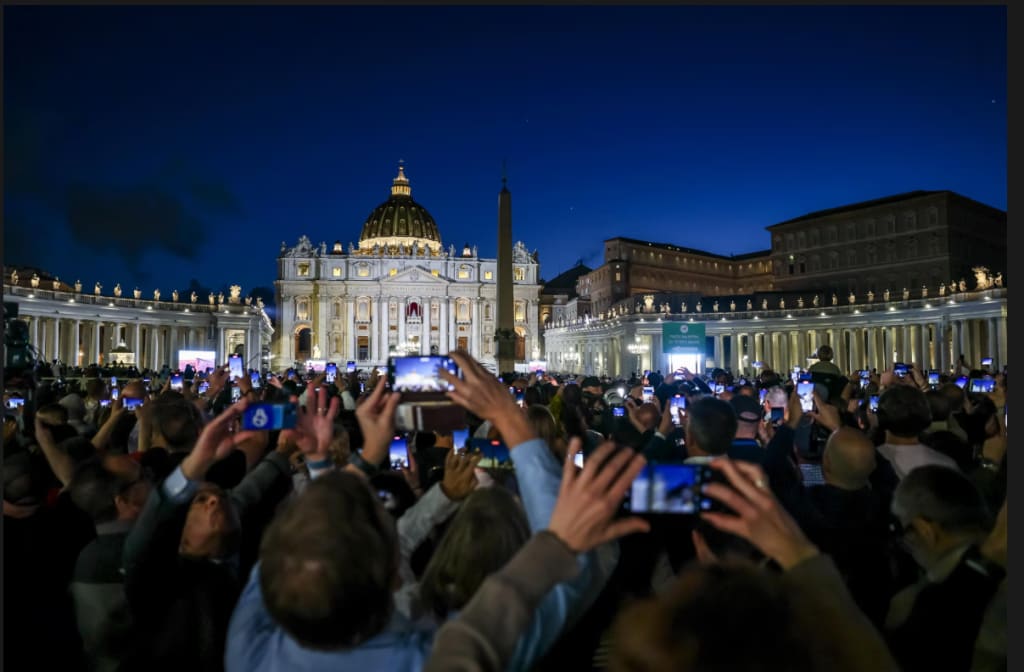
The Cardinal election process,
The College of Cardinals' centuries-old method for selecting a new pope, the spiritual head of the Roman Catholic Church, is officially known as the Papal Conclave. The procedure has evolved over time to ensure both solemnity and security in the selection of the Bishop of Rome and is rooted in tradition, ritual, and canon law. This procedure is started when a pope dies or steps down, like when Pope Benedict XVI stepped down in 2013, which was the first time in nearly 600 years.
Preparation for the Conclave
Once the papacy becomes vacant, a period called the Sede Vacante ("the seat being vacant") begins. During this time, the day-to-day governance of the Church is handled by the College of Cardinals, although major decisions are deferred until a new pope is elected. The Dean of the College of Cardinals plays a central role in overseeing the transition and preparations for the election.
All eligible cardinals must have time to travel to Vatican City before the conclave can begin, which must take place between 15 and 20 days after the seat becomes vacant. Only cardinals under the age of 80 are eligible to vote. Typically, this group numbers between 110 and 120 cardinals, although the exact number can vary.
Before the conclave begins, the cardinals attend a series of General Congregations in which they discuss the requirements for the next pope and the requirements for the Church. Since the electors come from all over the world, these meetings also help the cardinals get to know each other better.
Secrecy and Setting
he term "conclave" comes from the Latin word "cum clave," which means "with a key." It means that the cardinals are locked away during the election. This is done to ensure that the process is free from external influence. All of the cardinals' movements are strictly controlled because they live in the Vatican's Domus Sanctae Marthae residence.
The actual voting takes place in the Sistine Chapel, beneath Michelangelo’s famous frescoes, including The Last Judgment. The chapel is thoroughly checked for electronic surveillance, and cardinals are forbidden from using phones, internet, or any communication with the outside world during the conclave.
An oath of secrecy must be taken by all conclave attendees. There will be severe consequences, including automatic excommunication, for breaking this oath.
The Voting Methodology
The day after the conclave begins, voting begins. The voting process is highly regulated and confidential at all times. Until a new pope is elected, there are typically up to four votes per day—two in the morning and two in the afternoon.
On a ballot made of paper, each cardinal writes the name of his favorite candidate. The ballot is then folded and put in a chalice on top of an altar. The votes are counted and recorded by scrutineers. For a candidate to be elected, he must receive a two-thirds majority of the votes. The ballots are burned in a stove with a chemical that produces black smoke—fumata nera—to notify the world that a pope has not yet been chosen if no one achieves this majority.
Once a candidate receives the necessary majority, he is asked if he accepts the election. If he says yes, he is immediately the pope, even before any formal ceremony takes place. The new pope is then asked by the Dean of the College of Cardinals, “By what name shall you be called?” The new pope's spiritual inspiration or objectives are frequently reflected in the chosen papal name.
he ballots are then burned once more after the acceptance, this time with a chemical that makes white smoke—fumata bianca—which, when combined with the chiming of bells, indicates that a new pope has been elected. In St. Paul, this moment is typically celebrated greatly. Square Peter.
Inauguration and Announcement
he new pope is taken to the Room of Tears, a small room near the Sistine Chapel where he can collect himself after the election, where he changes into his white papal attire. After that, he travels to the Loggia of the Blessings, which is located in front of St. Peter’s Basilica.
There, the Cardinal Protodeacon announces to the crowd: “Habemus Papam”—Latin for “We have a pope.” The new pope then appears and gives his first public blessing as the Bishop of Rome: “Urbi et Orbi” (“to the city and to the world”).
In contrast to the traditional coronation, the formal inauguration occurs later, typically within a week. The Pallium and the Fisherman's Ring, which represent the new pope's authority and position, are presented to him during this ceremony.
ConclConclusion
The papal conclave is a one-of-a-kind, deeply spiritual procedure that combines governance, ritual, and history. It demonstrates the Catholic Church's global scope and the immense responsibility placed on the man chosen to be pope. The conclave in the Church continues to be a potent symbol of faith and continuity in spite of changes over time.usion
About the Creator
Enjoyed the story? Support the Creator.
Subscribe for free to receive all their stories in your feed.
Comments
There are no comments for this story
Be the first to respond and start the conversation.