
The unforgiven consequences of dehydration
What happens to your body without drinking water for long
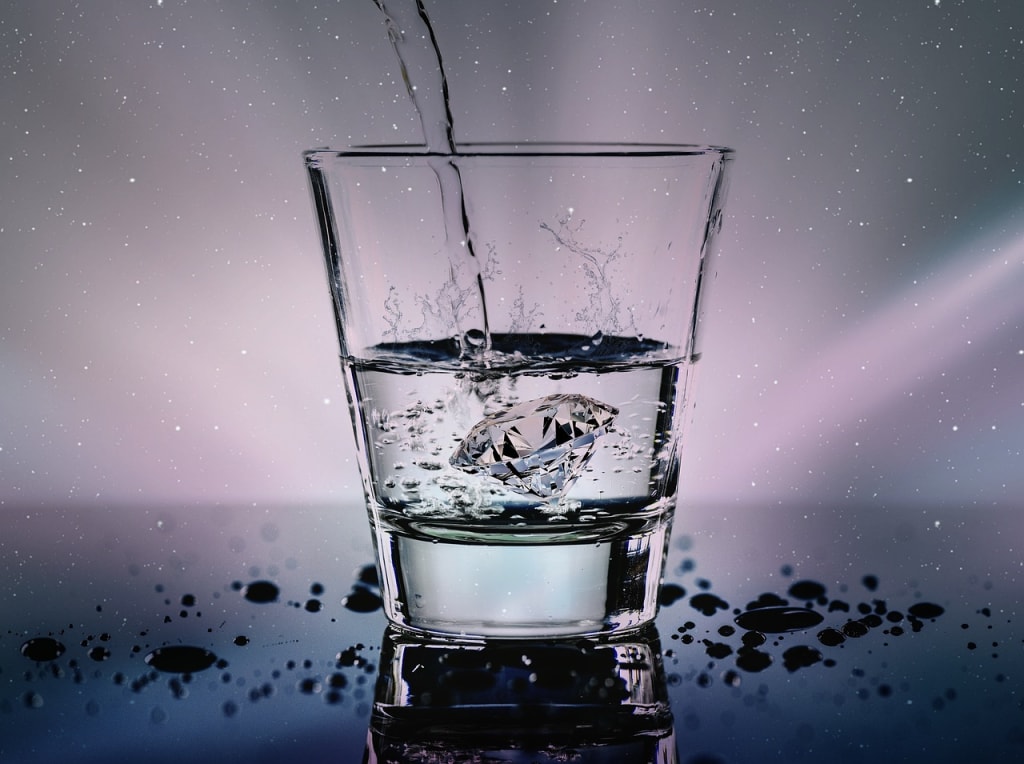
Water is often taken for granted, but it is the elixir of life. Our bodies are predominantly made up of water, and this essential substance plays a critical role in numerous bodily functions. Depriving your body of water for an extended period can lead to dire consequences. In this exploration, we will delve into the intriguing and alarming journey that your body embarks upon when it is deprived of water for an extended time.
** The Essence of Hydration**
Before we delve into the effects of dehydration, let's first understand the importance of water in the human body. Water is the lifeblood of our existence, comprising around 60% of an adult's body weight. It is crucial for various physiological processes, including temperature regulation, digestion, circulation, and waste elimination.
** The Early Signs of Dehydration**
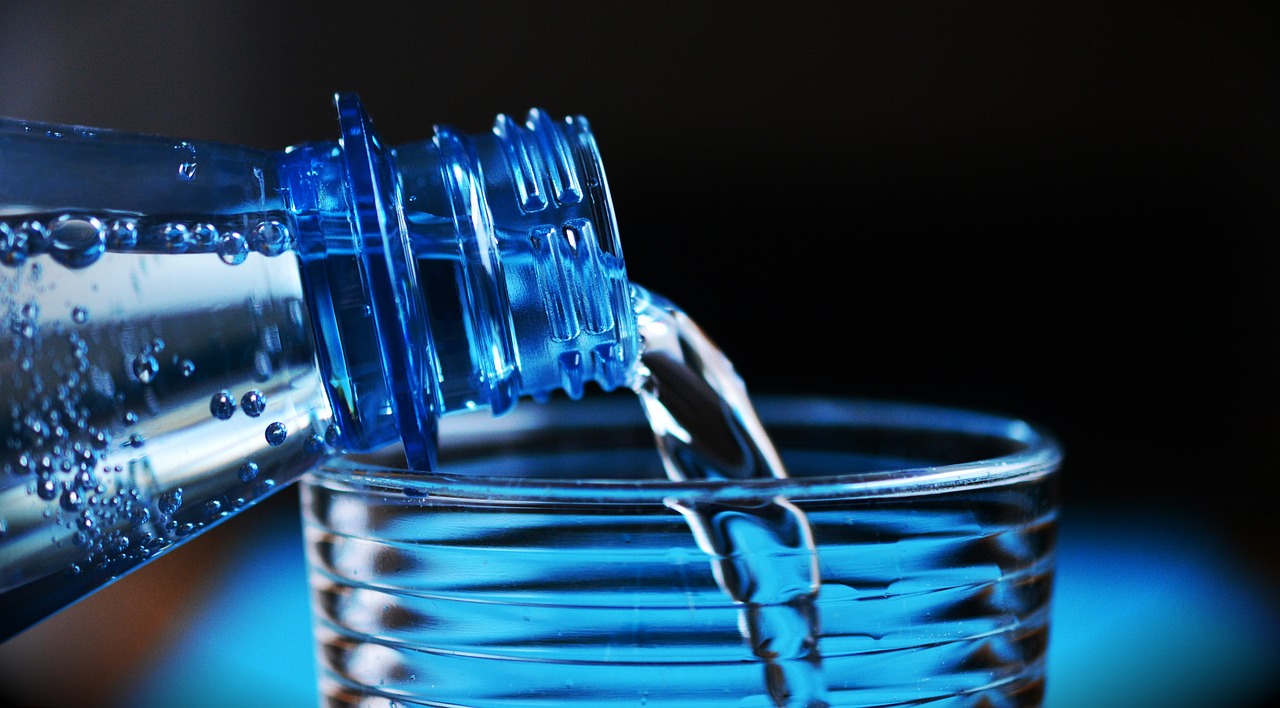
The human body is remarkably resilient, but it doesn't take long for it to show signs of distress when deprived of water. The initial symptoms of dehydration can be subtle, often overlooked or mistaken for other issues. Thirst is the body's first alert system, urging you to rehydrate. Your mouth may become dry, and you might experience a feeling of parchedness. This is your body's way of telling you that it needs water.
Another early sign is a decrease in urine output. The kidneys, sensing a water shortage, reduce urine production to conserve fluids. This can result in darker, more concentrated urine, which is a clear indicator that you need to drink more water.
** The Body's Fluid Balance Disrupted**
Water is vital for maintaining the body's fluid balance. When you don't drink enough water, your body struggles to keep this balance intact. Dehydration disrupts the equilibrium between the water you lose and the water you take in, which can have cascading effects.
Without proper hydration, the blood becomes more concentrated, leading to an increase in blood pressure. The heart must work harder to pump this thicker blood throughout the body. As a result, your heart rate can rise, contributing to feelings of fatigue and weakness.
** The Journey into Deeper Dehydration**
If dehydration persists, your body will enter a more advanced stage. You might begin to experience dizziness and even fainting as your blood pressure continues to drop. These symptoms can become particularly problematic when standing up quickly, a common scenario in everyday life.
As your body becomes more dehydrated, your skin may lose its elasticity, and wrinkles may become more pronounced. Dehydrated eyes can appear sunken, giving you a tired and drawn appearance. This illustrates that dehydration is not just an internal issue; it affects your external appearance too.
** The Brain on Drought**
Dehydration doesn't just affect your physical well-being; it takes a toll on your mental faculties as well. Your brain is highly sensitive to changes in fluid balance, and when dehydration sets in, cognitive functions can be impaired.
Concentration becomes challenging, and decision-making may become clouded. The brain needs a steady supply of oxygen and nutrients, which are transported by the blood. When dehydration reduces blood flow, your cognitive abilities are compromised.
** The Kidneys Under Siege**
Your kidneys play a crucial role in maintaining your body's internal environment. They filter waste products and toxins from your blood, which are then excreted in your urine. However, when you're dehydrated, your kidneys receive less blood, and their filtration process can be compromised.
Prolonged dehydration can lead to kidney damage, increasing the risk of kidney stones and urinary tract infections. These issues can be incredibly painful and, if left untreated, may lead to more severe kidney problems.
** Heat-Related Illnesses: A Scorching Reality**
When your body is dehydrated, its ability to regulate temperature is compromised. This can be especially problematic in hot weather or during physical activity, as it increases the risk of heat-related illnesses.
Heat exhaustion and heatstroke can occur when the body overheats due to inadequate sweating and temperature regulation. Heatstroke, in particular, is a medical emergency and can be life-threatening.
** The Heart's Struggle**
As dehydration progresses, your cardiovascular system bears a heavier burden. Your heart pumps blood less efficiently when you're dehydrated, and this can lead to palpitations and an irregular heartbeat. For individuals with preexisting heart conditions, dehydration can exacerbate their health issues.
** Organ Damage and Life-Threatening Consequences**
In severe cases, dehydration can lead to organ damage. The brain, heart, and liver are particularly susceptible. As the body becomes starved of the fluids it needs to function, these vital organs can suffer irreparable harm.
In extreme situations, dehydration can be life-threatening. Dehydration-induced shock is a severe condition where the body's organs and tissues don't receive enough oxygen and nutrients, leading to organ failure and, ultimately, death.
** Survival Mode and Desperation**
When you reach a point of extreme dehydration, your body enters survival mode. It desperately tries to hold onto any available water, which can lead to the retention of toxins and waste products in the body. This vicious cycle only exacerbates the damage being done to your organs.
** The Long Road to Recovery**
If you manage to survive severe dehydration, the road to recovery can be long and arduous. Your body will require careful rehydration, often involving medical intervention. This process can take days or even weeks, depending on the extent of the damage.
About the Creator
Enjoyed the story? Support the Creator.
Subscribe for free to receive all their stories in your feed.
Comments
There are no comments for this story
Be the first to respond and start the conversation.