
The Ultimate Eye Care Guide for Aging Gracefully
Essential Vision Tips to Maintain Healthy Eyes as You Age
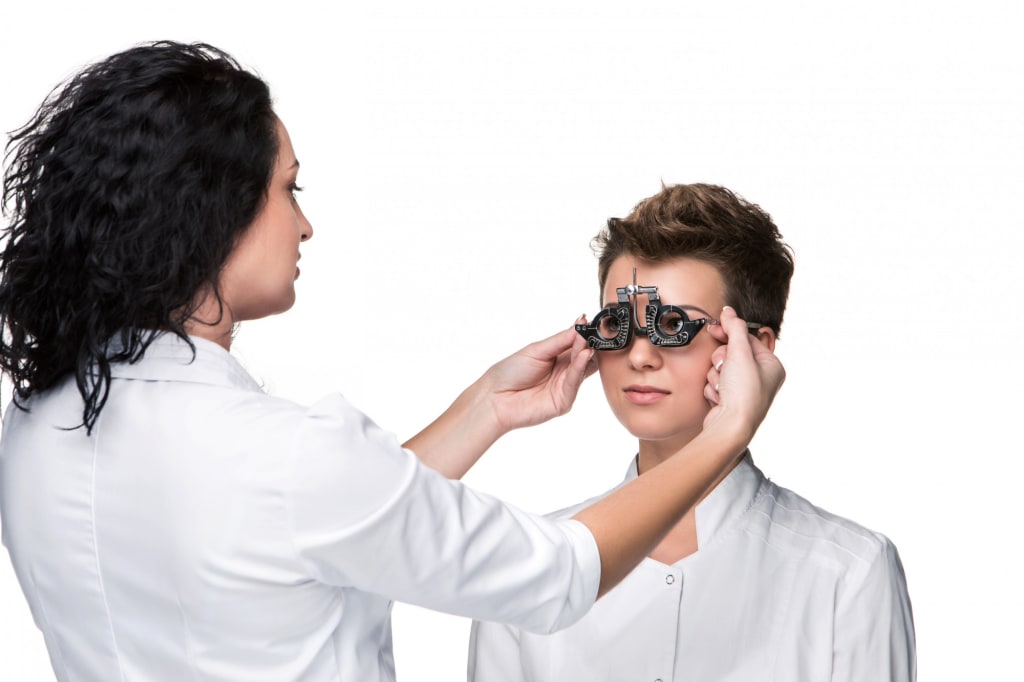
As we age, changes in vision are inevitable, but they don’t have to limit independence or quality of life. Prioritizing eye health is key to staying safe and active in later years. Senior eye care focuses on recognizing age-related challenges and adopting habits to maintain healthy eyesight.
In this guide, you’ll find practical advice, tips for better vision, and strategies to address common age-related eye issues effectively.
Why Eye Care Is Essential for Seniors
Eyes, like every other part of our body, undergo wear and tear over time. Starting in your 60s, your risks for vision-related conditions increase. Some of the most common age-related eye problems include:
Cataracts - Clouding of the lens, leading to blurry vision.
Glaucoma - Increased pressure in the eye that can damage the optic nerve.
Macular Degeneration - Affects central vision, making reading or recognizing faces harder.
Diabetic Retinopathy - A complication of diabetes that damages blood vessels in the retina.
Although natural aging changes can't be avoided, regular check-ups and lifestyle adjustments can help maintain your vision.
Signs You Should Never Ignore
Certain symptoms could indicate a more serious eye condition. If you notice any of the following, consult an eye doctor immediately:
Sudden appearance of floaters (spots in your vision).
Difficulty seeing at night.
Frequent changes in prescription glasses for seniors.
Cloudy or blurry vision.
Pain or redness in the eyes.
Timely intervention can prevent further vision loss.
How Aging Affects Vision
Understanding how aging impacts the eyes helps in addressing potential issues head-on. Here are some common ways your eyes change with age:
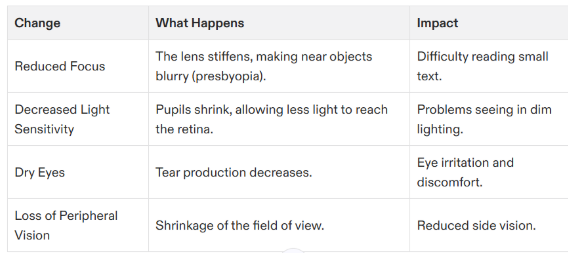
A proactive approach to eye care for seniors can slow or minimize these effects.
Steps for Maintaining Eye Health
Schedule Regular Eye Exams
The first and most important step is regular eye exams. Everyone over 60 should have a comprehensive dilated eye exam annually or more frequently if recommended by a specialist. These exams can detect conditions like glaucoma and macular degeneration in their early stages.
Pro Tip: Can't afford regular eye exams? Programs like EyeCare America provide free or low-cost exams to eligible seniors.
Regular check-ups also ensure your glasses for seniors prescriptions are up to date, improving vision and safety, especially while driving.
Protect Your Eyes from UV Rays
Wearing sunglasses that block 100% of UVA and UVB rays isn't just for sunny days. Long-term exposure to UV rays increases the risk of cataracts. Look for wrap-around frames or polarized lenses to reduce glare.
Make Your Diet Eye-Friendly
Nutrition plays a significant role in eye health. Include these foods in your diet:
Leafy greens like spinach and kale (rich in lutein and zeaxanthin).
Fatty fish such as salmon (high in omega-3 fatty acids).
Colorful fruits and vegetables are rich in vitamin C and beta-carotene.
Nuts and seeds for vitamin E.
Pro Tip
A diet lacking key nutrients can worsen age-related vision issues. Ask your doctor if supplements like lutein or omega-3 oils could benefit your eyes.
Manage Chronic Conditions
Health conditions like diabetes and hypertension can directly affect your vision. Keep these under control with the help of your physician. For example, prolonged high blood sugar levels can lead to diabetic retinopathy, a leading cause of blindness in seniors.
Use Adequate Lighting Indoors
Older eyes require more light for activities like reading or cooking. Use bright but glare-free lighting in critical areas. Adjustable lamps with focused beams can be beneficial.
Stay Hydrated and Combat Dry Eyes
Dry eyes are common in older adults due to reduced tear production. A dry eye specialist can provide treatments like artificial tears or prescribe advanced therapies to alleviate discomfort. Simple steps such as using a humidifier at home or taking breaks from screen time also help.
Exercise for Your Eyes
Just like your body, your eyes benefit from exercise. The 20-20-20 rule is an effective method to reduce eye strain. Every 20 minutes, look at something 20 feet away for 20 seconds.
Special Considerations for Seniors with Low Vision
For some seniors who experience vision loss that cannot be corrected with glasses or surgery, low-vision aids can be life-changing. Examples include:
Magnifying glasses.
Telescopic lenses for watching TV or reading signs from a distance.
Closed-circuit TV systems that project magnified text onto a screen.
Vision rehabilitation professionals can teach you how to use these devices best and adapt to daily activities.
Tips for Choosing Glasses for Seniors
The right pair of glasses for seniors can do more than improve sight. They can enhance independence, prevent falls, and offer a better quality of life. Keep these considerations in mind:
Lightweight frames to reduce pressure on the nose and ears.
Anti-glare coatings for night driving or screen use.
Bifocal or progressive lenses for seamless distance and close-up vision.
You may even want a pair specifically for outdoor activities with UV protection built-in.
Vision Tips for Older Adults at Home
Creating an eye-friendly home environment can make everyday tasks easier. Consider these simple adjustments:
Increase the font size on digital devices.
Use contrasting colors for objects and backgrounds to enhance visibility.
Place grab bars and rails in hallways to prevent accidents in dimly lit areas.
Coping with Vision Loss in Seniors
Vision loss can be emotionally challenging. Many seniors worry about losing independence or giving up activities they enjoy. Technology and support groups can bridge the gap. Devices like large-print e-readers, talking alarm clocks, and voice-recognition software can make life easier for those with limited vision.
For emotional support, joining organizations that provide counseling and resources can reduce anxiety. The Lighthouse Guild and similar resources offer expert programs for older adults with vision concerns.
When to Seek Immediate Help
Certain symptoms require urgent medical attention. These include:
Sudden vision loss in one or both eyes.
Flashes of light or black spots.
Eye injuries due to particles, sharp objects, or accidents.
Prompt action can often save your vision, so never delay seeing a specialist.
Wrapping Up
Aging gracefully means caring for every body part, including your eyes. Incorporating these vision tips for older adults can help preserve your sight and independence. From regular exams to nutritional choices and adopting appropriate tools, keeping your vision sharp is achievable.
Don't wait until problems arise — be proactive about eye care for seniors for a brighter, clearer future.
About the Creator
Haley Guenther
Haley Guenther is a dedicated health and eye care writer with a deep passion for improving vision health. With extensive knowledge in eye care, Haley covers a wide range of topics including macular degeneration, glaucoma, & cataracts.
Enjoyed the story? Support the Creator.
Subscribe for free to receive all their stories in your feed.
Comments
There are no comments for this story
Be the first to respond and start the conversation.