
The Top 10 Superfoods You Should be Eating
Boost Your Health and Wellbeing with These Nutrient-Packed Superfoods

Get access to our FREE EBOOK full with tips & tricks designed to help with your weight loss journey! Click Here — to start shedding pounds!
Introduction
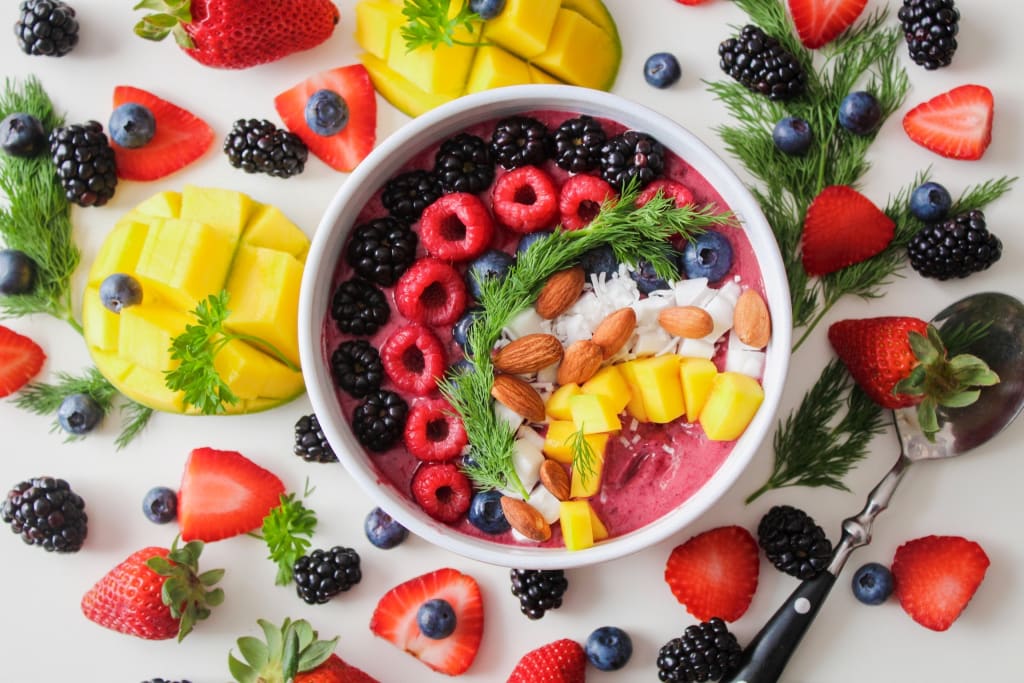
Superfoods are nutrient-rich foods that are particularly beneficial for overall health and wellness. They are typically low in calories but high in vitamins, minerals, and antioxidants, making them an excellent addition to any healthy diet.
In this article, we’ll explore the top 10 superfoods that you should be eating to boost your health and wellness. From blueberries to quinoa to salmon, we’ll dive into the nutritional benefits of each food and provide tips on how to incorporate them into your meals and snacks.
By incorporating these superfoods into your diet, you’ll not only feel better, but you’ll also be supporting your overall health and wellbeing.
Chapter 1: Blueberries — The Tiny but Mighty Superfood
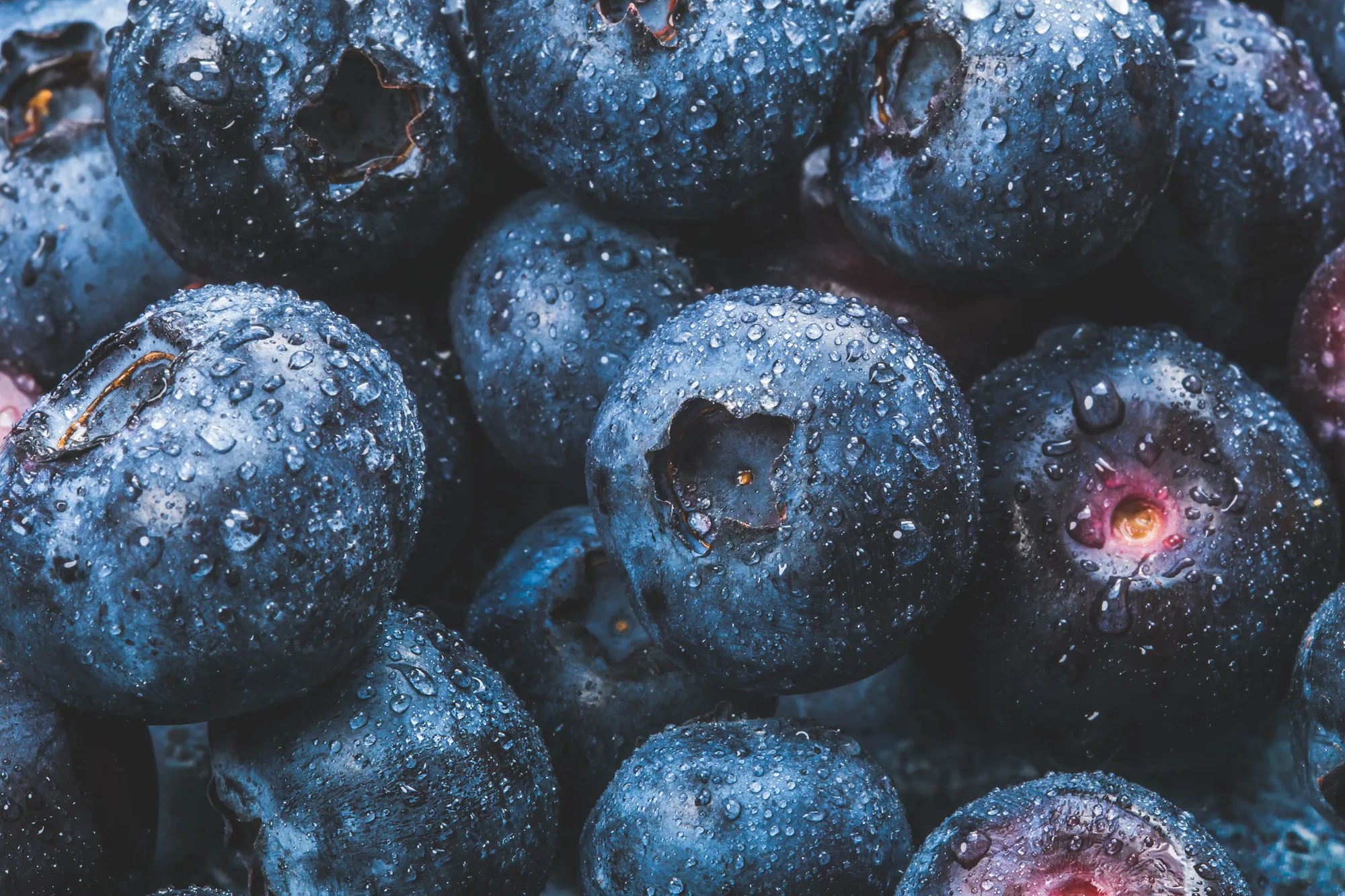
Blueberries are often referred to as a superfood due to their high levels of antioxidants and vitamins. Here are some of the nutritional benefits of blueberries:
High in Antioxidants: Blueberries are packed with antioxidants such as flavonoids and anthocyanins. These antioxidants help protect the body against free radicals, which can damage cells and contribute to the development of chronic diseases such as cancer and heart disease.
Rich in Vitamins: Blueberries are a good source of vitamins C and K, both of which play important roles in overall health. Vitamin C supports immune function and helps the body absorb iron, while vitamin K is important for blood clotting and bone health.
Boost Brain Function: Studies have shown that consuming blueberries can help improve brain function, particularly in older adults. The antioxidants in blueberries help protect the brain from oxidative stress, which can contribute to cognitive decline. Additionally, blueberries may improve communication between brain cells and enhance memory function.
Protect Against Chronic Diseases: The high levels of antioxidants in blueberries can also help protect against chronic diseases such as heart disease and cancer. The anthocyanins in blueberries have been shown to reduce inflammation and improve blood lipid levels, both of which are important factors in preventing heart disease.
Overall, blueberries are a delicious and nutritious addition to any diet. Whether you’re looking to improve brain function, protect against chronic diseases, or simply enjoy a tasty snack, adding blueberries to your diet is a smart choice.
Get access to our FREE EBOOK full with tips & tricks designed to help with your weight loss journey! Click Here — to start shedding pounds!
Chapter 2: Spinach — The Nutrient-Packed Green Leafy Superstar
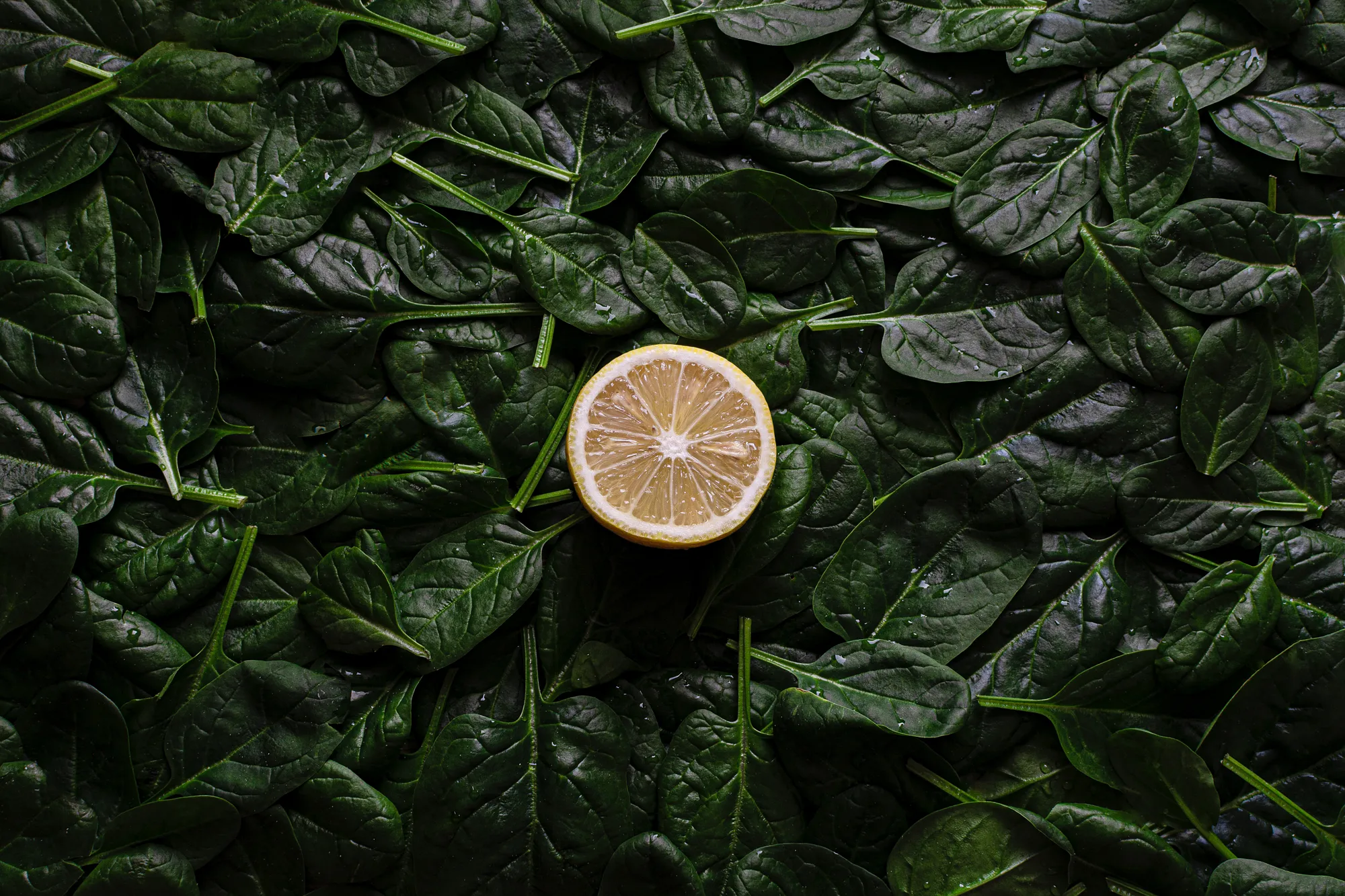
Spinach is a leafy green vegetable that is often considered one of the healthiest foods you can eat. Here are some of the nutritional benefits of spinach:
High in Vitamins and Minerals: Spinach is rich in vitamins and minerals, including vitamins A, C, and K, as well as iron, calcium, and potassium. These nutrients are important for maintaining healthy bones, teeth, and muscles, as well as supporting immune function and overall health.
Good Source of Antioxidants: Spinach contains antioxidants such as beta-carotene, lutein, and zeaxanthin, which help protect the body against free radicals and may reduce the risk of chronic diseases such as cancer and heart disease.
May Lower Blood Pressure: Some studies have shown that consuming spinach may help lower blood pressure. This is likely due to the high levels of potassium found in spinach, which can help counteract the effects of sodium and reduce blood pressure.
May Improve Digestion: Spinach is high in fiber, which can help promote healthy digestion and reduce the risk of constipation. Additionally, the high water content in spinach can help keep you hydrated and support healthy bowel movements.
Overall, spinach is a versatile and nutritious food that can be enjoyed in a variety of ways, such as in salads, smoothies, or sautéed as a side dish. Adding spinach to your diet is a great way to boost your nutrient intake and support overall health.
Chapter 3: Quinoa — The Protein-Packed Grain That’s Perfect for Any Meal
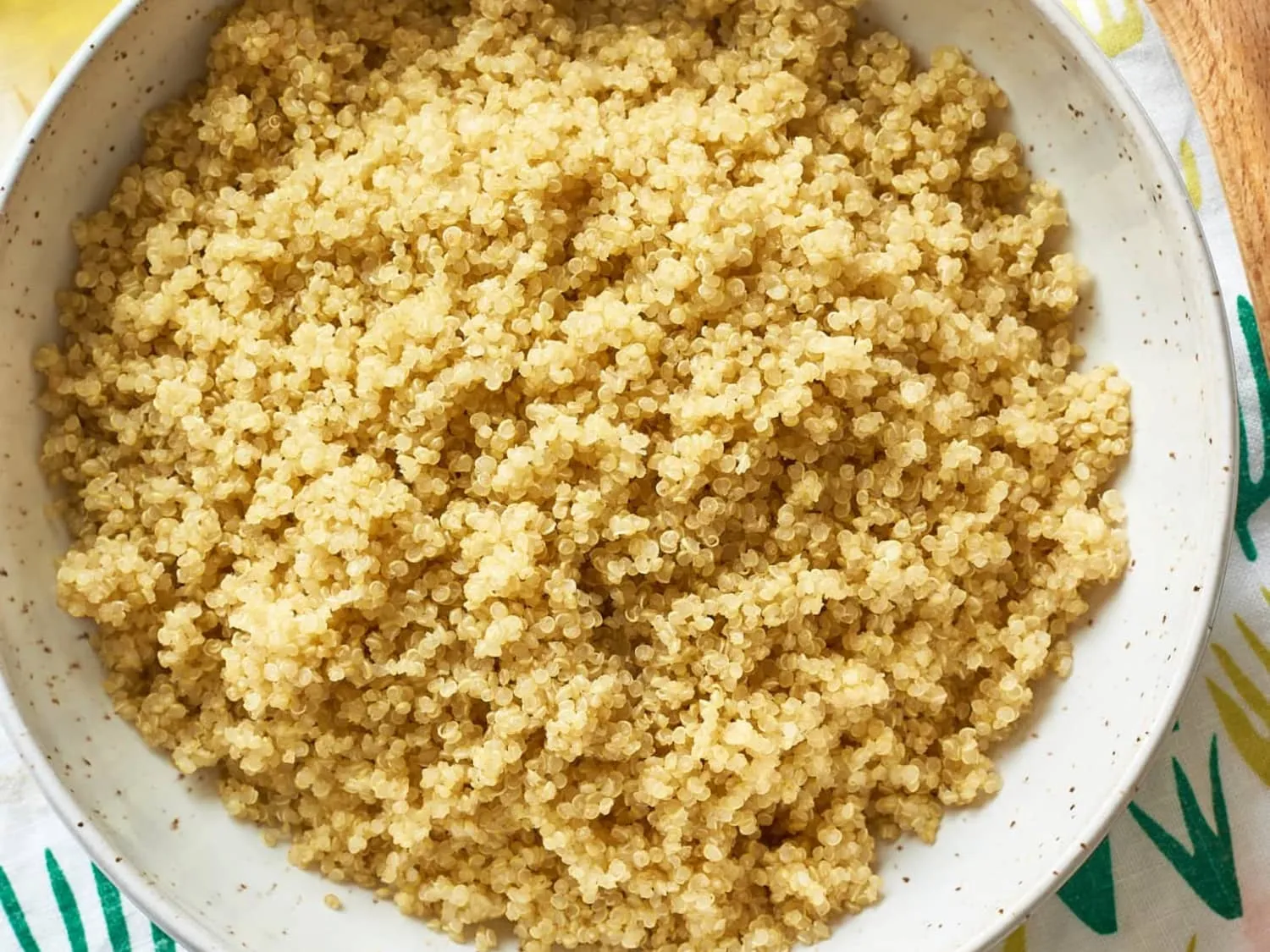
Quinoa is a gluten-free grain that has been gaining popularity in recent years due to its numerous health benefits. It is packed with nutrients such as protein, fiber, vitamins, and minerals, making it a great addition to any meal.
One of the main benefits of quinoa is its high protein content, making it an ideal source of plant-based protein for vegetarians and vegans. It also contains all nine essential amino acids, which are important for building and repairing tissues in the body.
Quinoa is also rich in fiber, which can help promote digestive health and prevent constipation. Additionally, it contains high levels of magnesium, potassium, and iron, which are important for maintaining healthy bones, regulating blood pressure, and transporting oxygen throughout the body.
Moreover, quinoa is incredibly versatile and can be used in a variety of dishes, such as salads, stir-fries, and even desserts. It can also be used as a substitute for rice or pasta in many recipes, providing a healthy and nutritious alternative.
Overall, quinoa is a superfood that provides a wide range of health benefits and is a great addition to any diet.
Get access to our FREE EBOOK full with tips & tricks designed to help with your weight loss journey! Click Here — to start shedding pounds!
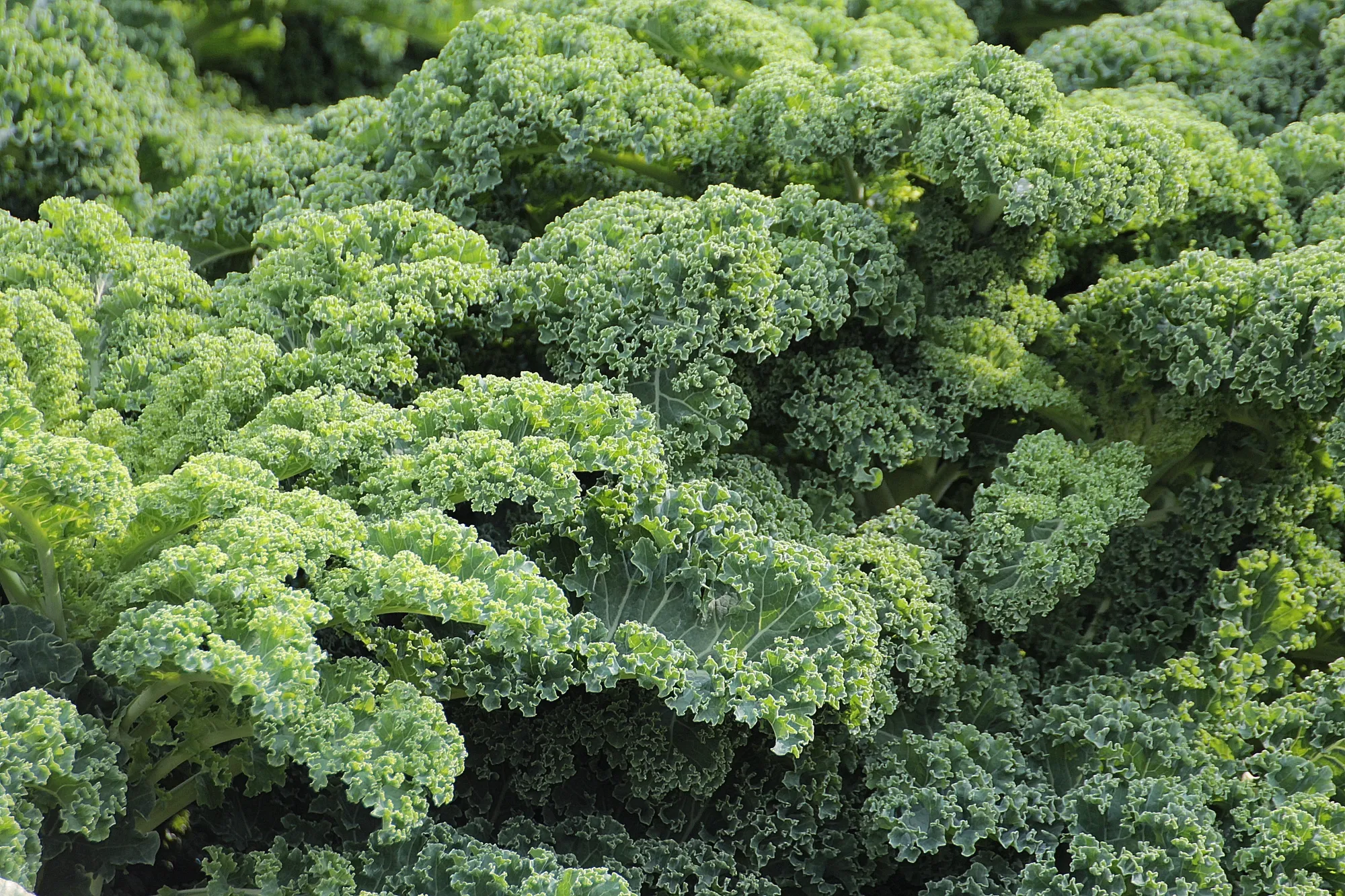
Chapter 4: Kale — The Nutrient-Dense Green Leafy Superfood
Kale is a leafy green vegetable that has gained popularity in recent years due to its high nutrient content and various health benefits. It is loaded with antioxidants, vitamins, and minerals that make it a great addition to any diet.
One of the most notable health benefits of kale is its high vitamin K content, which plays a crucial role in bone health and blood clotting. It is also rich in vitamin C, which helps boost the immune system and promote healthy skin.
Kale is also a good source of fiber, which can aid in digestion and promote feelings of fullness. It is also low in calories and high in water content, making it an ideal food for weight loss and weight management.
Additionally, kale contains a variety of antioxidants such as lutein and zeaxanthin, which are important for eye health and may help protect against chronic diseases such as cancer and heart disease.
Kale is incredibly versatile and can be eaten raw or cooked. It can be added to salads, smoothies, stir-fries, soups, and many other dishes. It can also be used as a healthy substitute for other leafy greens such as spinach and lettuce.
Overall, kale is a nutrient-dense superfood that provides a wide range of health benefits and is a great addition to any diet.
Chapter 5: Chia Seeds — The Tiny but Nutrient-Dense Superfood
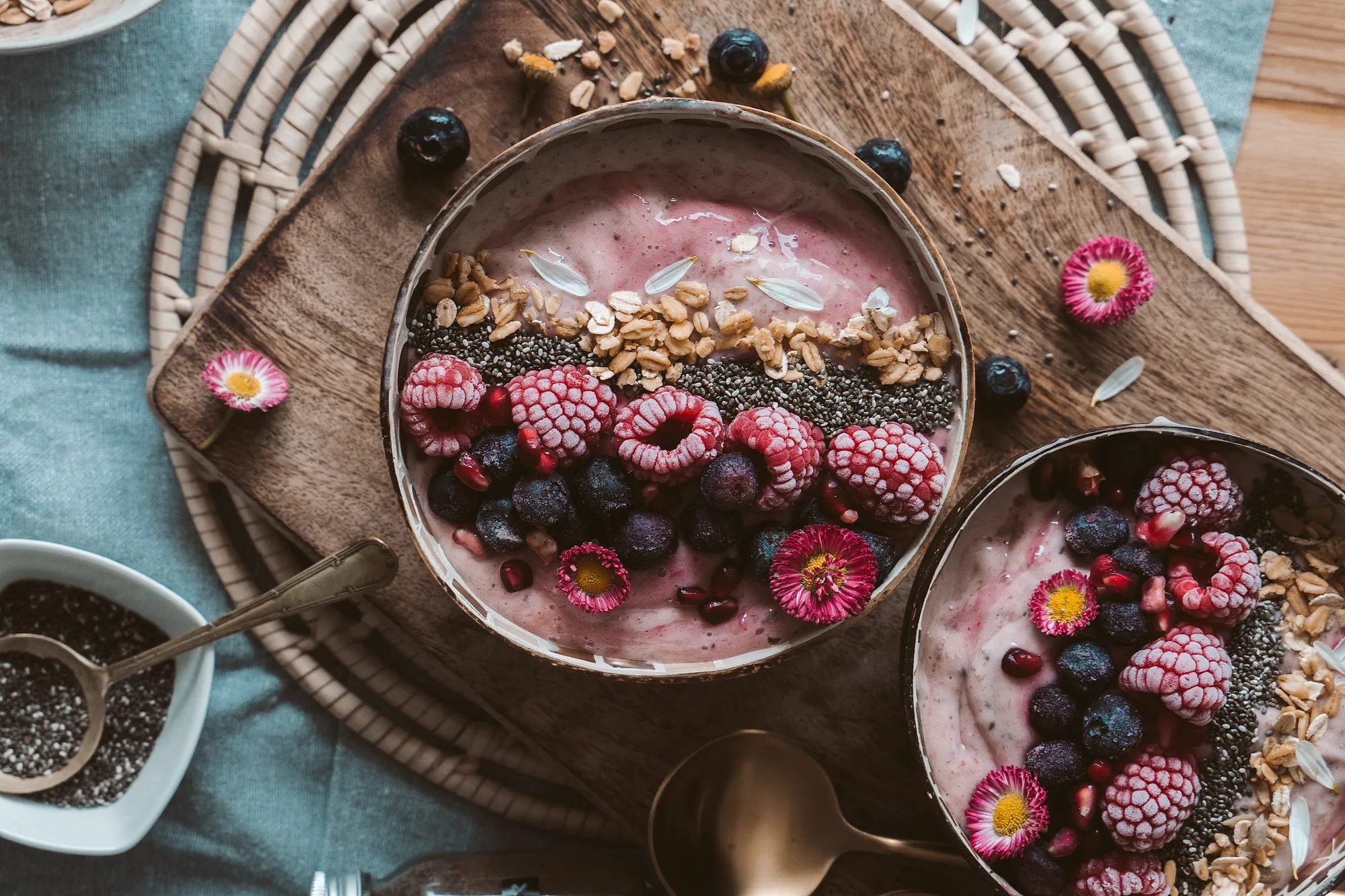
Chia seeds may be small in size, but they pack a powerful nutritional punch. These tiny black or white seeds come from the Salvia hispanica plant and have been consumed by indigenous populations in South America for thousands of years. Here are some of the reasons why you should consider adding chia seeds to your diet:
High in Nutrients: Despite their small size, chia seeds are packed with important nutrients. They are a good source of fiber, protein, calcium, magnesium, and omega-3 fatty acids.
May Help with Weight Loss: Chia seeds are high in fiber and can absorb up to 10–12 times their weight in water. This means that they can help you feel fuller for longer, potentially leading to reduced calorie intake and weight loss.
Good for Digestive Health: The fiber in chia seeds can also promote healthy digestion by feeding the good bacteria in your gut and keeping things moving smoothly.
May Improve Heart Health: Chia seeds are high in omega-3 fatty acids, which have been shown to reduce inflammation and improve heart health by lowering blood pressure, triglycerides, and LDL cholesterol.
Versatile in Cooking: Chia seeds can be added to smoothies, oatmeal, yogurt, salads, and even used as an egg substitute in baking.
Overall, chia seeds are a great addition to a healthy diet and can provide a wide range of health benefits.
Get access to our FREE EBOOK full with tips & tricks designed to help with your weight loss journey! Click Here — to start shedding pounds!
Chapter 6: Salmon — The Nutrient-Dense Seafood
When it comes to superfoods, salmon often finds its place in the list. This nutrient-dense seafood is a rich source of protein, vitamins, and minerals that provide numerous health benefits. In this chapter, we will dive into the nutritional benefits of salmon and how it can contribute to a healthy diet.
Health Benefits of Salmon: Salmon is a great source of protein and healthy fats, specifically omega-3 fatty acids. Omega-3 fatty acids are essential fatty acids that the body cannot produce on its own and must obtain from the diet. These fatty acids are crucial for brain function and heart health. Eating salmon can help lower the risk of heart disease, stroke, and high blood pressure.
Salmon is also rich in vitamins and minerals, including vitamin D, vitamin B12, and selenium. Vitamin D is important for bone health and can also help improve mood and prevent depression. Vitamin B12 is essential for healthy red blood cells and nerve function. Selenium is a powerful antioxidant that helps protect cells from damage.
In addition to the above benefits, salmon also contains astaxanthin, a carotenoid pigment that gives salmon its pink color. Astaxanthin has been shown to have anti-inflammatory properties and may also help improve skin health.
How to Incorporate Salmon into Your Diet: Incorporating salmon into your diet can be easy and delicious. You can try grilling, baking, or pan-searing salmon and adding it to salads or as a main dish. You can also try making salmon patties or using it as a topping for pizza. Canned salmon is also a convenient option for quick meals.
Salmon is a nutrient-dense superfood that offers numerous health benefits. Its high levels of omega-3 fatty acids, vitamins, and minerals make it an excellent addition to a healthy diet. Incorporating salmon into your diet can be easy and delicious, and its health benefits are worth the effort.

Chapter 7: Avocado — The Nutrient-Dense Superfood
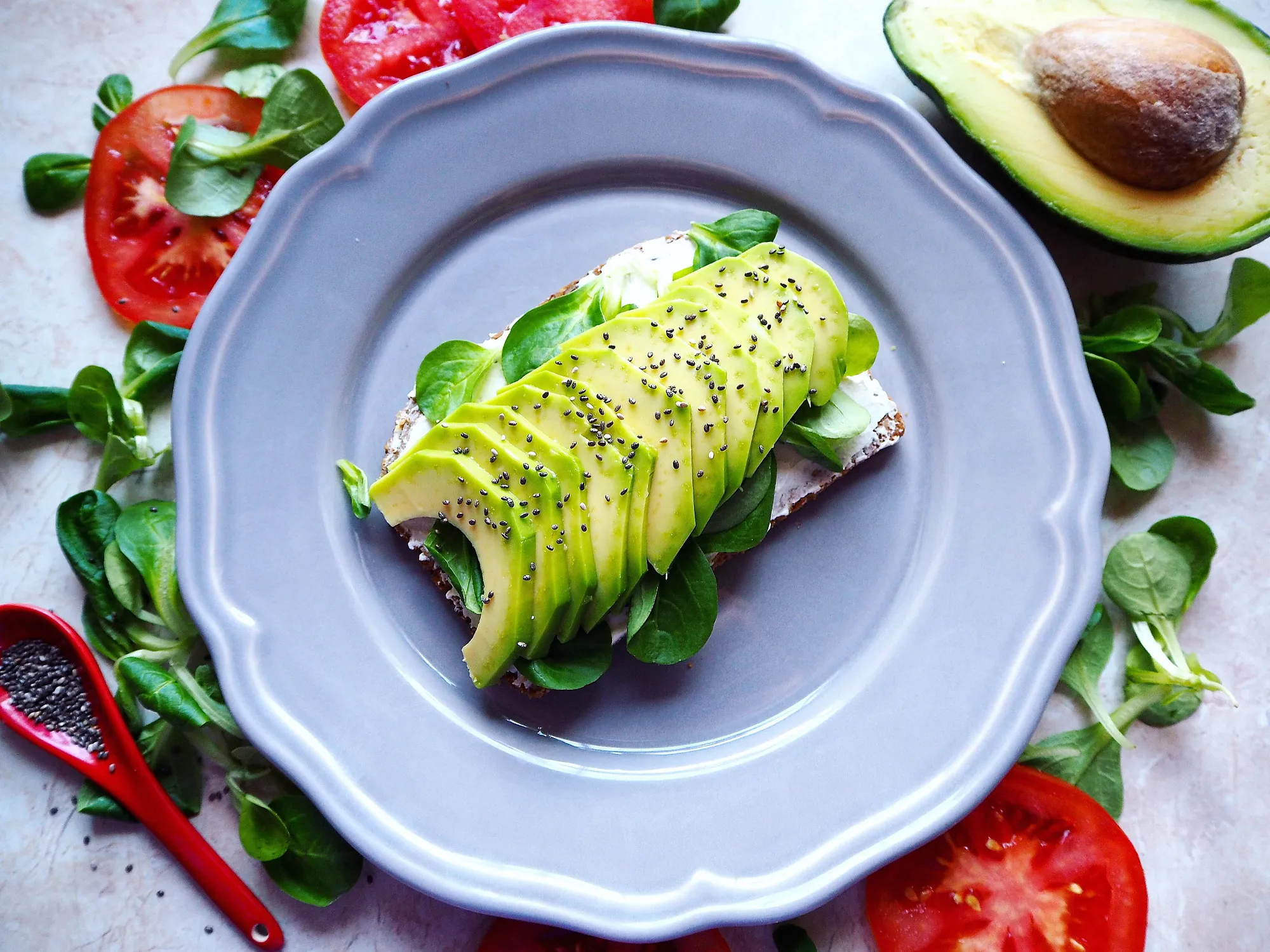
Avocado is a unique superfood that is packed with nutrients, healthy fats, and fiber. This fruit is rich in vitamins and minerals such as Vitamin K, Vitamin C, potassium, and magnesium, making it a great addition to any healthy diet.
Not only is avocado nutrient-dense, but it also contains healthy fats, specifically monounsaturated and polyunsaturated fats, which can help improve cholesterol levels and reduce the risk of heart disease. In addition, avocado is low in carbs and high in fiber, making it a great choice for those looking to maintain healthy blood sugar levels.
Beyond its nutritional benefits, avocado is also incredibly versatile and can be incorporated into a wide range of dishes. It can be used to make guacamole, added to smoothies, used as a substitute for mayo or butter, and even used in baking to make healthier desserts.
In summary, avocado is a delicious and nutrient-dense superfood that can provide a range of health benefits when consumed as part of a balanced and healthy diet.
Get access to our FREE EBOOK full with tips & tricks designed to help with your weight loss journey! Click Here — to start shedding pounds!
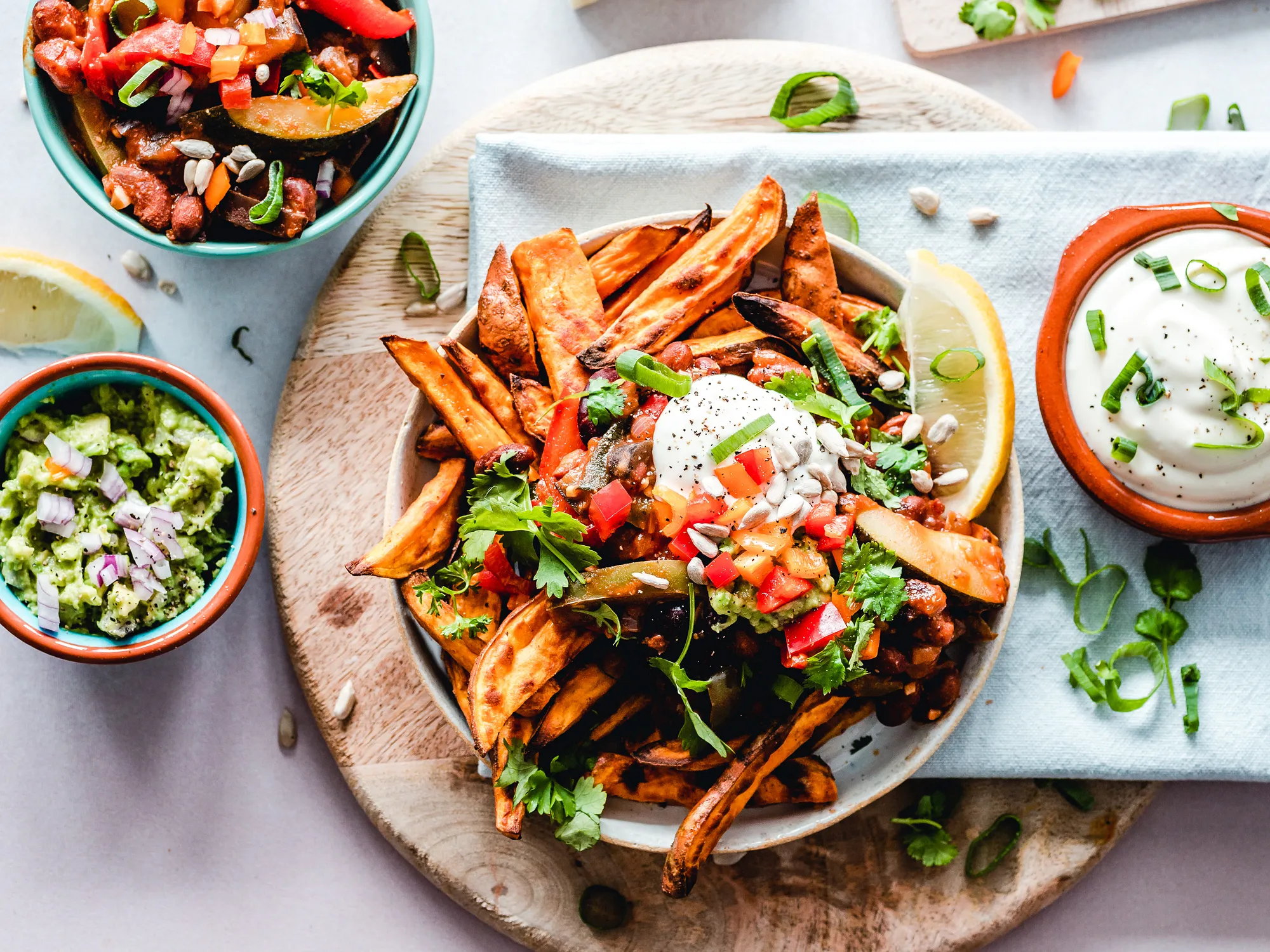
Chapter 8: Sweet Potatoes — The Nutrient-Dense Superfood
Introduction: Sweet potatoes are a delicious and nutrient-dense superfood that are often overlooked in the typical Western diet. These starchy, root vegetables come in a variety of colors, from white to orange, and offer a range of health benefits. In this chapter, we will explore the nutritional value of sweet potatoes and the ways in which they can support your health and well-being.
Rich in Nutrients: Sweet potatoes are packed with vitamins and minerals, making them an excellent choice for anyone looking to improve their overall health. They are particularly high in vitamin A, which is essential for healthy vision and a strong immune system. Sweet potatoes also contain significant amounts of vitamin C, potassium, and fiber.
Promote Healthy Digestion: Sweet potatoes are an excellent source of dietary fiber, which is crucial for maintaining healthy digestion. The fiber in sweet potatoes helps to regulate bowel movements and prevent constipation. Sweet potatoes also contain antioxidants, which can help to reduce inflammation in the gut.
May Reduce the Risk of Chronic Disease: The antioxidants in sweet potatoes may also help to reduce the risk of chronic diseases such as heart disease, diabetes, and cancer. The high levels of beta-carotene in sweet potatoes have been linked to a lower risk of breast cancer, while the fiber in sweet potatoes may help to reduce the risk of heart disease.
Versatile and Delicious: Sweet potatoes are incredibly versatile and can be used in a variety of dishes, from savory soups to sweet desserts. They can be baked, roasted, mashed, or fried, making them a delicious addition to any meal.
Sweet potatoes are a nutrient-dense superfood that offer a range of health benefits. They are rich in vitamins and minerals, promote healthy digestion, and may even reduce the risk of chronic diseases. Whether you prefer them baked, roasted, or mashed, sweet potatoes are a delicious and healthy addition to any diet.
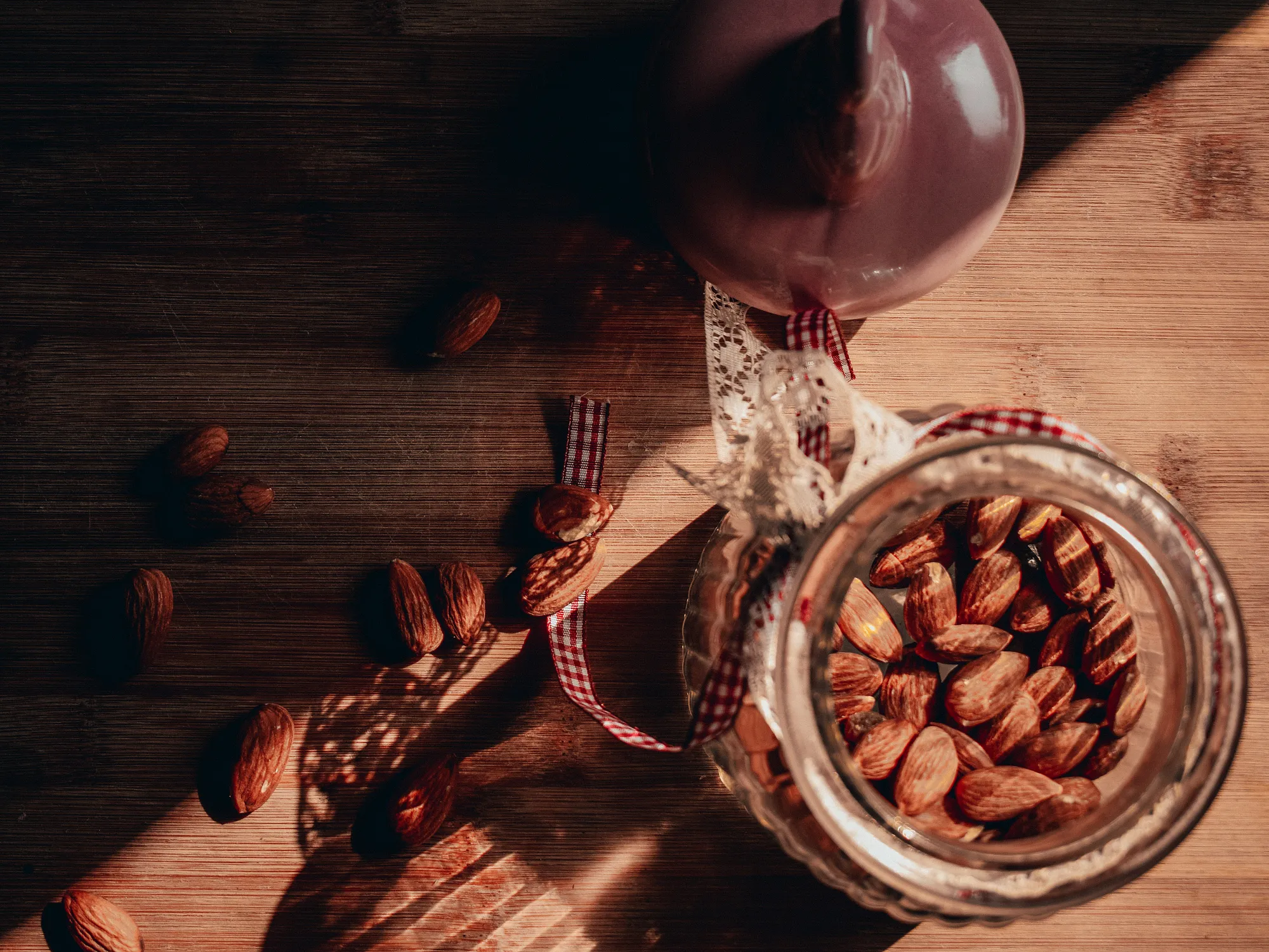
Chapter 9: Almonds — The Crunchy Superfood for a Healthy Snack
Almonds are one of the most popular tree nuts that are packed with nutrition. They are an excellent source of healthy fats, fiber, protein, and several important vitamins and minerals. In this chapter, we’ll discuss the many nutritional benefits of almonds and how they can promote overall health and well-being.
Almonds are high in monounsaturated and polyunsaturated fats, which are healthy fats that can help lower bad cholesterol levels and reduce the risk of heart disease. They are also a great source of plant-based protein, making them a great addition to any vegetarian or vegan diet.
In addition to healthy fats and protein, almonds are also a great source of fiber, which can help regulate digestion and promote feelings of fullness. They are also rich in vitamin E, magnesium, and potassium, which are essential for optimal health.
One of the best things about almonds is that they are incredibly versatile and can be enjoyed in many different ways. They make a great snack on their own, but can also be used to add crunch and nutrition to salads, smoothies, and other dishes.
In summary, almonds are a nutritious and delicious superfood that can offer many health benefits. Adding almonds to your diet can help improve heart health, regulate digestion, and provide essential vitamins and minerals for optimal health.
Conclusion: Incorporating Superfoods into Your Diet
Incorporating superfoods into your diet can have numerous benefits for your health and overall well-being. From blueberries to almonds, each superfood offers unique nutritional benefits that can help boost your immune system, improve brain function, and protect against chronic diseases.
By incorporating a variety of superfoods into your diet, you can ensure that you are getting a range of vitamins, minerals, and antioxidants that your body needs to function at its best. Whether you are looking to lose weight, increase your energy levels, or simply improve your overall health, adding these superfoods to your meals is a simple and effective way to achieve your goals.
So why not start today? By making small changes to your diet, such as adding a handful of blueberries to your morning oatmeal or snacking on almonds instead of chips, you can start reaping the benefits of these superfoods and improving your health in no time.
Get access to our FREE EBOOK full with tips & tricks designed to help with your weight loss journey! Click Here — to start shedding pounds!
Disclosure: This article may contain affiliate links, which means that if you click on one of the product links, I may receive a commission. This commission comes at no additional cost to you, and it helps me to continue providing free content. Thank you for your support.
About the Creator
FitFindings
Unlocking your fitness potential, One finding at a time!
Enjoyed the story? Support the Creator.
Subscribe for free to receive all their stories in your feed.
Comments
There are no comments for this story
Be the first to respond and start the conversation.