
The Titanic: A Tragic Tale Of Ambition And Disaster
10 April,1912

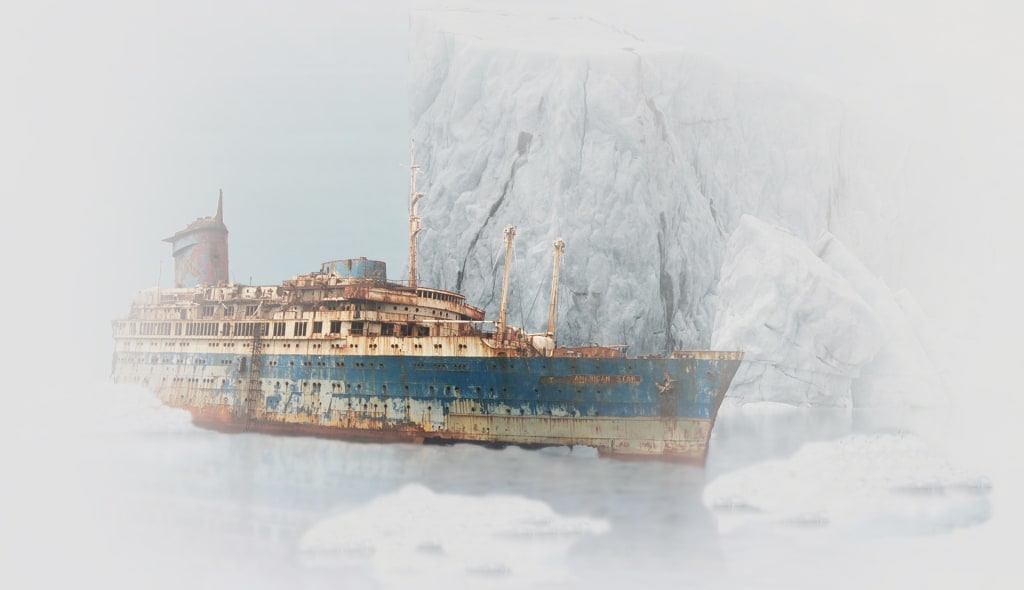
The RMS Titanic, dubbed the "unsinkable" ship, was a marvel of engineering and a symbol of human ambition in the early 20th century. Launched on May 31, 1911, this luxury British ocean liner was hailed as a masterpiece of modern maritime technology. However, its maiden voyage would forever be etched in history as a catastrophic event that claimed the lives of more than 1,500 people.
Designed to cater to the needs of the wealthy and elite, the Titanic was equipped with opulent amenities and extravagant features that set it apart from other vessels of its time. With a length of 882 feet and a gross tonnage of 46,328, it was the largest and most luxurious ship ever built. Its interiors were adorned with lavish furnishings, exquisite dining rooms, a grand staircase, a swimming pool, and even a squash court. The ship was a floating palace, promising an unparalleled experience of luxury and comfort.
On April 10, 1912, the Titanic set sail from Southampton, England, embarking on its maiden voyage to New York City. Passengers from different walks of life boarded the ship, including businessmen, immigrants, and prominent figures of the era. The atmosphere on board was filled with excitement and anticipation as the ship ventured into the vast Atlantic Ocean.
Tragedy struck on the night of April 14, 1912. The Titanic, sailing at full speed, collided with an iceberg in the North Atlantic, about 400 miles off the coast of Newfoundland. The iceberg ripped open the ship's hull, causing a series of fatal structural damages. Despite its reputed "unsinkable" nature, the Titanic was unprepared for such a catastrophic event.
As panic and chaos ensued, the ship's crew initiated evacuation procedures, but the limited number of lifeboats on board proved to be woefully inadequate. The ship's design, boasting of its watertight compartments, had led to complacency regarding lifeboat capacity. This oversight would prove fatal as the ship began to sink into the icy waters.
The lack of sufficient lifeboats meant that many passengers and crew were left stranded on the sinking ship. The scenes of desperation and heroism that unfolded that night would forever be etched in the annals of history. Women and children were prioritized for the lifeboats, while many brave individuals, including members of the crew, sacrificed their own lives to save others. The RMS Carpathia, responding to Titanic's distress calls, arrived on the scene and rescued the survivors, but tragically, the majority of those on board perished.
The sinking of the Titanic sparked a worldwide outcry and led to significant changes in maritime safety regulations. The disaster highlighted the importance of adequate lifeboat capacity, improved communication systems, and better safety practices at sea. The International Convention for the Safety of Life at Sea (SOLAS) was later established to ensure the safety of passengers and crew on ocean-going vessels.
Over the years, the Titanic has captured the imagination of people around the world, becoming the subject of numerous books, documentaries, and films. The tragic tale of the ship serves as a poignant reminder of the fallibility of human ambition and the devastating consequences that can result from complacency and negligence.
In 1985, the wreckage of the Titanic was discovered on the seabed, approximately 12,500 feet below the surface. Since then, several expeditions have been conducted to explore and document the remains of the ship, shedding new light on the events of that fateful night.
The Titanic remains an enduring symbol of human endeavour and the pursuit of grandeur. It serves as a stark reminder of the fragile nature of life and the need for constant vigilance in the face of adversity.
About the Creator
Enjoyed the story? Support the Creator.
Subscribe for free to receive all their stories in your feed.
Comments
There are no comments for this story
Be the first to respond and start the conversation.