
The Science Behind Saving Lives: How a Bachelor's Degree in Medical Laboratory Science Can Make a Difference in the Healthcare Industry
Bachelors in Medical Laboratory Science
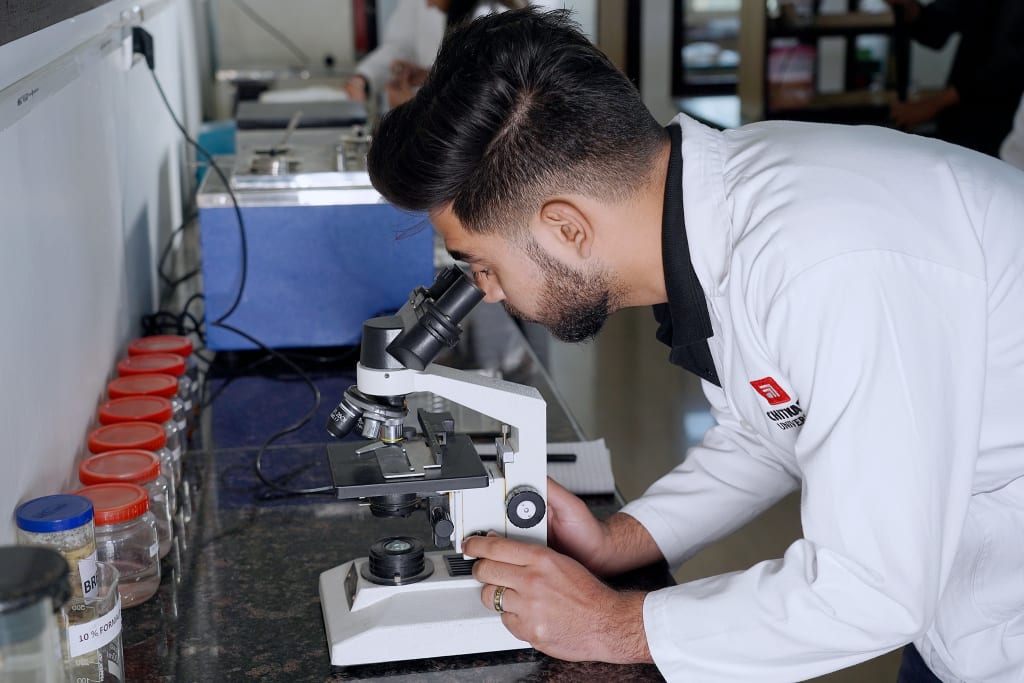
In the fast-paced and ever-evolving world of healthcare, the role of medical laboratory scientists has become increasingly crucial. These highly skilled professionals work diligently behind the scenes, utilizing their expertise in science and technology to save lives and improve patient care. A Bachelor's degree in Medical Laboratory Science equips individuals with the knowledge and skills necessary to be at the forefront of diagnostic medicine. From analyzing blood samples to identifying infectious diseases, medical laboratory scientists play a pivotal role in the accurate and timely diagnosis of various conditions. With advancements in technology and the increasing demand for accurate and reliable laboratory results, the need for qualified professionals in this field has never been greater. If you have a passion for science, a desire to make a difference in the healthcare industry, and a keen eye for detail, a Bachelor's degree in Medical Laboratory Science could be your ticket to a rewarding and impactful career. Discover the science behind saving lives and embark on a journey of innovation and discovery in the healthcare industry.
The Role of Medical Laboratory Scientists in Healthcare
Medical laboratory scientists are the unsung heroes of the healthcare industry. While doctors and nurses often take the spotlight, medical laboratory scientists work diligently behind the scenes, conducting tests and analyzing samples to provide vital information for accurate diagnosis and treatment. They play a vital role in the healthcare system by ensuring that laboratory results are accurate, reliable, and delivered in a timely manner.
Medical laboratory scientists perform a wide range of tasks, including collecting and analyzing blood, urine, and tissue samples. They use sophisticated laboratory equipment and techniques to identify and quantify substances in these samples, such as bacteria, viruses, and abnormal cells. By examining these samples, medical laboratory scientists can detect diseases, monitor the effectiveness of treatments, and identify potential health risks.

In addition to performing tests, medical laboratory scientists also play a crucial role in quality control and assurance. They ensure that laboratory equipment is properly calibrated, maintain accurate records of test results, and troubleshoot any issues that may arise. Their attention to detail and commitment to accuracy are essential in maintaining the highest standards of laboratory practice.
Medical laboratory scientists often work closely with other healthcare professionals, including doctors, nurses, and pharmacists. They collaborate to interpret laboratory results, discuss patient cases, and provide recommendations for further testing or treatment. Their expertise in laboratory science and their ability to communicate effectively with other healthcare professionals make them valuable members of the healthcare team.
Importance of a Bachelor's Degree in Medical Laboratory Science
A Bachelor's degree in Medical Laboratory Science is essential for anyone aspiring to become a medical laboratory scientist. The rigorous curriculum of this degree program provides students with a solid foundation in the sciences, including courses in biology, chemistry, microbiology, and anatomy. These courses are designed to develop a deep understanding of the human body and the principles of laboratory science.
In addition to the core science courses, students in a Medical Laboratory Science program also take specialized courses that are directly related to their field. These courses cover topics such as clinical chemistry, hematology, immunology, and molecular diagnostics. By studying these specialized subjects, students gain the knowledge and skills necessary to perform a wide range of laboratory tests and procedures.
A Bachelor's degree in Medical Laboratory Science also includes hands-on laboratory training. Students have the opportunity to work in a real laboratory setting, performing tests and experiments under the guidance of experienced faculty members. This practical training not only enhances their technical skills but also prepares them for the challenges they will face in their future careers.
Furthermore, a Bachelor's degree in Medical Laboratory Science provides students with a well-rounded education. In addition to the science courses, students also take general education courses that develop their critical thinking, communication, and problem-solving skills. These skills are essential in the healthcare industry, where medical laboratory scientists often encounter complex cases and need to collaborate with other healthcare professionals.
Overall, a Bachelor's degree in Medical Laboratory Science is essential for aspiring medical laboratory scientists. It provides the necessary knowledge, skills, and practical experience to excel in this demanding field and make a difference in the lives of patients.
Required Courses and Curriculum for Medical Laboratory Science Programs
A Bachelor's degree in Medical Laboratory Science typically consists of a comprehensive curriculum that covers a wide range of subjects related to laboratory science and healthcare. The curriculum is designed to provide students with the knowledge and skills necessary to become competent medical laboratory scientists.
The core science courses in a Medical Laboratory Science program include biology, chemistry, microbiology, and anatomy. These courses provide students with a solid foundation in the basic sciences and help them understand the structure and function of the human body. They also cover topics such as cell biology, genetics, and physiology, which are essential for understanding the principles of laboratory science.
In addition to the core science courses, students in a Medical Laboratory Science program also take specialized courses that are directly related to their field. These courses cover topics such as clinical chemistry, hematology, immunology, and molecular diagnostics. They provide students with in-depth knowledge of the various laboratory tests and procedures used to diagnose and monitor diseases.
Apart from the science courses, students also take general education courses that develop their critical thinking, communication, and problem-solving skills. These courses include subjects such as English, mathematics, social sciences, and humanities. They help students develop a well-rounded education and enhance their ability to think critically and communicate effectively.

In order to graduate with a Bachelor's degree in Medical Laboratory Science, students are typically required to complete a certain number of credit hours in both the science and general education courses. They must also complete a supervised clinical internship, where they gain hands-on experience in a real laboratory setting. This internship provides valuable practical training and allows students to apply their knowledge and skills in a professional environment.
The curriculum of a Medical Laboratory Science program may vary slightly from one educational institution to another. However, all accredited programs must meet certain standards set by professional organizations such as the National Accrediting Agency for Clinical Laboratory Sciences (NAACLS). These standards ensure that students receive a high-quality education and are prepared for a career in medical laboratory science.
Skills and Competencies Gained in a Medical Laboratory Science Degree
A Bachelor's degree in Medical Laboratory Science equips students with a wide range of skills and competencies that are essential for a successful career in this field. These skills are developed through a combination of classroom instruction, laboratory training, and hands-on experience in a real laboratory setting.
One of the key skills that students gain in a Medical Laboratory Science degree program is the ability to perform a wide range of laboratory tests and procedures. They learn how to collect and analyze blood, urine, and tissue samples, and how to use sophisticated laboratory equipment and techniques. By mastering these skills, students are able to accurately and efficiently perform tests and produce reliable laboratory results.
In addition to technical skills, students also develop strong critical thinking and problem-solving skills. They learn how to analyze complex data, interpret laboratory results, and make informed decisions based on their findings. These skills are essential in the healthcare industry, where medical laboratory scientists often encounter challenging cases and need to provide accurate and timely information to healthcare professionals.
Communication skills are also emphasized in a Medical Laboratory Science degree program. Students learn how to effectively communicate their findings to other healthcare professionals, both in written and verbal form. They also learn how to interact with patients and provide them with clear instructions for sample collection and test preparation. These communication skills are crucial in ensuring that laboratory results are accurately interpreted and used to guide patient care.

Furthermore, a Medical Laboratory Science degree program emphasizes the importance of professionalism and ethical conduct. Students learn about the ethical principles that govern the practice of laboratory science and how to maintain patient confidentiality. They also develop a strong sense of responsibility and attention to detail, which are essential in maintaining the highest standards of laboratory practice.
Overall, a Bachelor's degree in Medical Laboratory Science equips students with a diverse set of skills and competencies that are essential for a successful career in this field. These skills, combined with their passion for science and commitment to patient care, enable medical laboratory scientists to make a real difference in the lives of patients.
Career Opportunities and Job Outlook for Medical Laboratory Scientists
A Bachelor's degree in Medical Laboratory Science opens up a wide range of career opportunities in the healthcare industry. Medical laboratory scientists are in high demand, with job prospects expected to grow significantly in the coming years. This is due to several factors, including advancements in technology, an aging population, and the increasing emphasis on early detection and prevention of diseases.
One of the most common career paths for medical laboratory scientists is working in a hospital or clinical laboratory. In these settings, they perform a wide range of laboratory tests and procedures, including blood tests, urine tests, and tissue analysis. They work closely with other healthcare professionals to provide accurate and timely laboratory results that are essential for diagnosis and treatment.
Medical laboratory scientists can also specialize in a particular area of laboratory science, such as clinical chemistry, hematology, microbiology, or molecular diagnostics. By specializing, they develop a deep understanding of a specific area and become experts in their field. This can lead to advanced career opportunities, such as becoming a laboratory manager, a research scientist, or a consultant.
In addition to hospitals and clinical laboratories, medical laboratory scientists can also work in research laboratories, public health laboratories, forensic laboratories, and pharmaceutical companies. They may be involved in research projects, develop new laboratory techniques, or work on the development of new drugs and therapies. The diverse career opportunities in medical laboratory science allow individuals to find a career path that aligns with their interests and goals.
The job outlook for medical laboratory scientists is very promising. According to the Bureau of Labor Statistics, employment of medical laboratory scientists is projected to grow 7 percent from 2019 to 2029, faster than the average for all occupations. This growth is driven by advancements in technology, which allow for more sophisticated laboratory tests and procedures, and by the increasing demand for accurate and reliable laboratory results.
Furthermore, the aging population is expected to increase the demand for medical laboratory scientists. As the population ages, the incidence of chronic diseases, such as diabetes and cardiovascular diseases, is expected to rise. Medical laboratory scientists will play a crucial role in diagnosing and monitoring these diseases, as well as in conducting research to develop new treatments and therapies.
Overall, the career opportunities and job outlook for medical laboratory scientists are excellent. With a Bachelor's degree in Medical Laboratory Science, individuals can embark on a rewarding and impactful career in the healthcare industry, making a real difference in the lives of patients and contributing to the advancement of diagnostic medicine.
Contributions of Medical Laboratory Science in Diagnosing and Treating Diseases
Medical laboratory science plays a crucial role in the diagnosis and treatment of diseases. By analyzing blood, urine, and tissue samples, medical laboratory scientists provide healthcare professionals with vital information that is essential for accurate diagnosis and effective treatment.
One of the key contributions of medical laboratory science is the early detection of diseases. Laboratory tests can detect the presence of diseases even before symptoms appear, allowing for early intervention and treatment. For example, blood tests can detect markers of certain cancers, such as prostate-specific antigen (PSA) for prostate cancer and CA-125 for ovarian cancer. Early detection of these cancers increases the chances of successful treatment and improves patient outcomes.
Medical laboratory science also plays a vital role in monitoring the progress of diseases and the effectiveness of treatments. By analyzing blood samples, medical laboratory scientists can measure the levels of various substances in the body, such as glucose, cholesterol, and hormones. These measurements provide valuable information about the progression of diseases, the response to treatment, and the need for adjustments in medication or therapy.
In addition to diagnosis and monitoring, medical laboratory science is also involved in the identification and characterization of infectious diseases. By analyzing samples, such as blood, urine, or swabs from the respiratory tract, medical laboratory scientists can identify the specific pathogens responsible for infections, such as bacteria, viruses, or fungi. This information is essential for determining the appropriate treatment and preventing the spread of infectious diseases.
Furthermore, medical laboratory science contributes to the field of personalized medicine. By analyzing an individual's genetic makeup, medical laboratory scientists can identify genetic variations that may affect the response to certain medications or the risk of developing certain diseases. This information allows healthcare professionals to tailor treatment plans to individual patients, maximizing the effectiveness and minimizing the side effects of medications.
Overall, medical laboratory science plays a vital role in the accurate diagnosis and effective treatment of diseases. By providing healthcare professionals with accurate and reliable laboratory results, medical laboratory scientists contribute to improved patient outcomes and the advancement of diagnostic medicine.
Advancements and Innovations in Medical Laboratory Science
Advancements in technology have revolutionized the field of medical laboratory science, enabling more accurate, efficient, and reliable laboratory tests and procedures. These advancements have had a profound impact on the diagnosis and treatment of diseases, improving patient outcomes and transforming the healthcare industry.
One of the key advancements in medical laboratory science is the development of automated laboratory equipment and systems. These systems can perform a wide range of laboratory tests and procedures with minimal human intervention, reducing the risk of errors and improving efficiency. Automated systems can analyze large volumes of samples in a short period of time, allowing for faster turnaround times and more timely diagnosis and treatment.
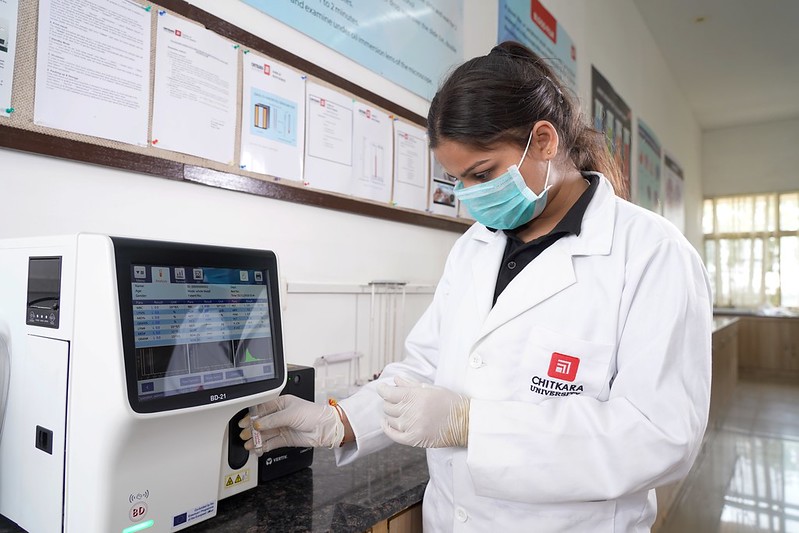
Another significant advancement is the development of molecular diagnostic techniques. These techniques allow medical laboratory scientists to analyze the genetic material of pathogens, such as bacteria or viruses, to identify specific strains or mutations. Molecular diagnostics have revolutionized the field of infectious disease testing, enabling rapid and accurate identification of pathogens and guiding the selection of appropriate treatments.
In recent years, there has also been a growing focus on point-of-care testing, which refers to laboratory tests that can be performed outside of the traditional laboratory setting, such as at the patient's bedside or in a doctor's office. Point-of-care testing allows for faster diagnosis and treatment decisions, as results are available within minutes or hours, rather than days. This is particularly important in emergency situations or in remote or underserved areas where access to laboratory facilities may be limited.
Furthermore, advancements in data management and analysis have enabled medical laboratory scientists to handle and interpret large volumes of data more effectively. By using sophisticated software and algorithms, they can analyze complex datasets, identify patterns, and extract meaningful information. This has led to improved accuracy in laboratory results and the development of new diagnostic algorithms and predictive models.
In addition to technological advancements, there have been significant innovations in the field of medical laboratory science. For example, the development of new laboratory techniques, such as next-generation sequencing and mass spectrometry, has expanded the range of tests that can be performed and improved the accuracy and sensitivity of existing tests. These innovations have opened up new possibilities for the diagnosis and treatment of diseases, leading to improved patient outcomes.
About the Creator
Enjoyed the story? Support the Creator.
Subscribe for free to receive all their stories in your feed.
Comments
There are no comments for this story
Be the first to respond and start the conversation.