
The Role of Yoga in Early Childhood Development: Why Preschools Should Embrace It?
Building Strong Bodies and Minds: The Transformative Impact of Yoga in Playschools
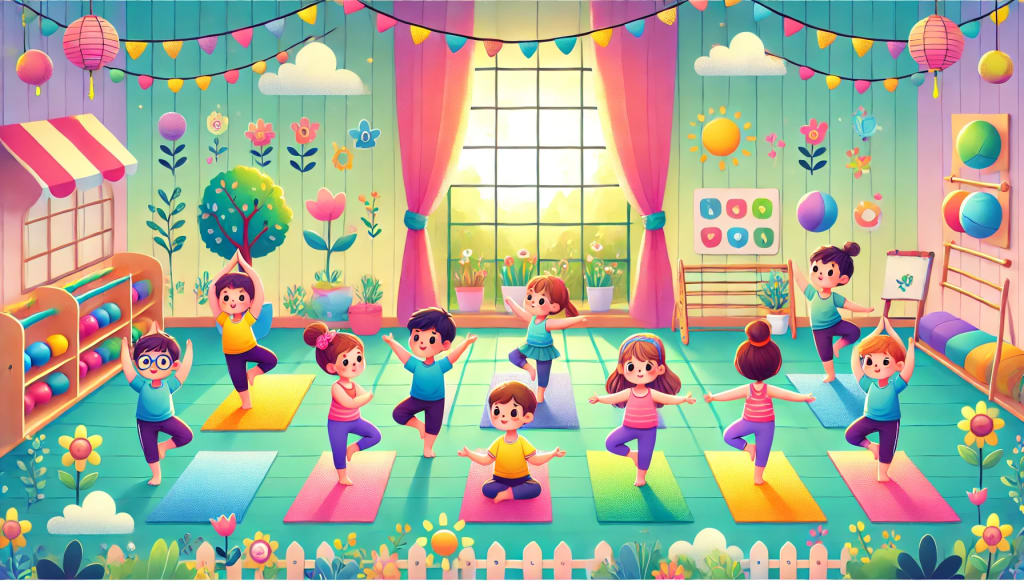
Building the basis of a child's physical, mental, and emotional well-being depends critically on early life. Including yoga into pre schools and playschools curricula is not only a fad but also a step towards whole development. While encouraging a sense of peace and mindfulness, yoga helps youngsters increase their flexibility, focus, and emotional control. Here's why every preschool program need to include yoga.
Early Childhood Development: Yoga's Advantages
1. Improves Physical Development
For young children, yoga consists in motions that increase flexibility, balance, and coordination. These workouts increase posture and develop muscles, therefore helping kids to be more active and less prone to injuries.
2. Improves Emotional Well-Being Schoolchildren may go through strong emotions they are unable to always control or communicate. Yoga teaches awareness and practices like deep breathing to help people self-regulate in trying circumstances.
3. sharpens focus and concentration.
Children discover to concentrate on their motions and respiration by means of yoga poses and mindfulness techniques. Improved academic performance and classroom attention follow from this higher concentration.
4. Encourages Socialising
Preschool group yoga classes help to build community and teamwork. Children pick up respect of others' personal space, obey directions, and sharing of space.
5. eases tension and improves restfulness.
Children who practise yoga learn relaxation strategies said to help lower anxiety and encourage better sleep. Early on a peaceful mind might help avoid stress-related problems down road.
6. promotes good behaviour.
Starting yoga in preschool will teach kids lifetime healthy practices. As they develop, yoga encourages a love of physical exercise and mindfulness, which will help them.
Why Schools and Playschools Should Add Yoga to Their Holistic Curriculum?
Schools want to help a child grow in every sphere. Including yoga provides a well-rounded education by complimenting creative and intellectual pursuits.
2. Simple to Apply
Yoga may be done anyplace and calls only little tools. With little effort, playschools can include quick, enjoyable yoga lessons into their schedules.
3. Creates a Positive surroundings.
In the classroom, yoga generates a peaceful and positive environment that benefits teachers as well as the pupils.
4. Match with Parents' Expectations
For their children, modern parents give mental health and physical exercise top importance. Preschool yoga meets these standards, which increases the attractiveness of your institution.
Advice on Including Yoga in Educational Settings
- Start simple with fundamental stances such the cat-cow pose, butterfly pose, and tree pose.
- Use Stories: Craft a story around yoga positions to liven up classes.
- Sessions should last ten to fifteen minutes to fit preschoolers' attention spans.
- Motivational encouragement for involvement To make the session fun, use vibrantly coloured mats or play calming music.
- Coach Instructors: Give teachers basic yoga instruction so they can guarantee successful and safe sessions.
FAQs
Q1 When may young toddlers begin yoga?
Ans: Young children as three years old can start practicing yoga as long as the poses and exercises fit their developmental level.
Q2: Should preschoolers practise yoga?
Ans: When taught right, yoga is safe. Easy positions developed for children guarantee they benefit without too much effort.
Q3. For preschoolers, which yoga positions are most appropriate?
Ans: Preschoolers should practise the butterfly, tree, cat-cow and child's poses among some excellent ones. These provide several advantages and are easy to pick up.
Q4. Is yoga able to assist kids in playschool behave better?
Ans: Yes! Children who practise yoga learn to control their emotions, lower their anxiety, and increase their focus, therefore enhancing their behaviour in the classroom.
Q5. Preschools should schedule yoga classes how often?
Ans: Two to three times a week short lessons are plenty to show the kids clear advantages without taxing them too much.
Q6. Which materials are required for preschool yoga?
Ans: Yoga calls only little equipment—mats, a large space, and a qualified teacher. One might include optional soothing music or narrative-based guides.
Last Notes
Including yoga into preschool and pre school activities helps to create a healthy and enriching surroundings for young students. Yoga gives children vital life lessons from a young age and has many advantages for both physical and emotional growth. Yoga-loving schools not only produce better, happier kids but also stand out as progressive institutions dedicated on overall development.
By starting yoga as a regular practice, let your preschool set the standard for creative and conscious instruction.
About the Creator
Enjoyed the story? Support the Creator.
Subscribe for free to receive all their stories in your feed.
Comments
There are no comments for this story
Be the first to respond and start the conversation.