
The Role of VMS in Healthcare Security and Patient Safety
VMS in Healthcare
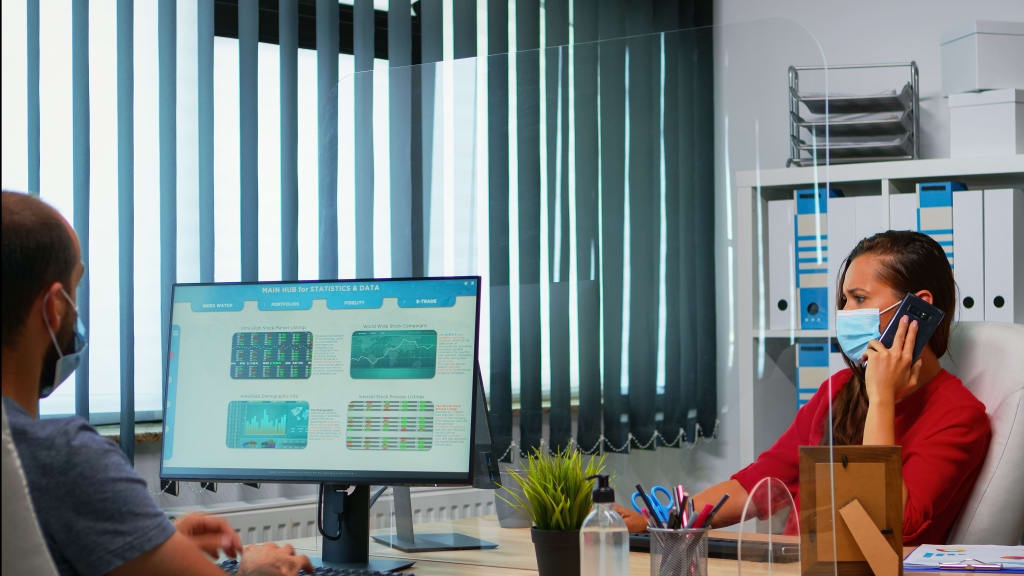
The safety of patients, staff, and sensitive data is paramount in the healthcare industry. Video Management Systems (VMS) integration has emerged as a transformative tool to enhance security and ensure patient safety. These systems provide real-time monitoring, data analysis, and robust integration capabilities that align with the stringent requirements of healthcare environments.
The Growing Need for Security in Healthcare
Healthcare facilities face diverse challenges, from ensuring patient privacy to preventing theft, violence, and unauthorized access. More than the reliance on traditional security measures is required to address these complexities. The advent of Video Management Systems offers a holistic solution by combining surveillance, analytics, and real-time response mechanisms.
Key Challenges in Healthcare Security:
Unauthorized Access: Protecting restricted areas like operating rooms, drug storage, and patient records is crucial.
Patient Safety: Monitoring patient activities, especially in critical care or psychiatric wards, requires constant vigilance.
Theft and Vandalism: Hospitals are high-value targets for theft of equipment, medications, and personal belongings.
Data Privacy: Compliance with regulations like HIPAA necessitates secure handling of patient data.
Role of VMS in Healthcare Security
Modern Video Management Systems address these challenges with advanced features beyond traditional surveillance. Here’s how they contribute:
Real-Time Monitoring and Alerts
VMS enables 24/7 surveillance of all critical areas within a healthcare facility. Cameras integrated with motion detectors and analytics can identify unusual activities, such as unauthorized entry into restricted zones or suspicious loitering, and trigger alerts for immediate response.
Example: A hospital pharmacy equipped with VMS can detect unauthorized access after hours and alert security teams instantly, preventing potential theft.
Enhanced Access Control
By integrating with access control systems, VMS helps monitor who enters specific areas and when. For example, employees accessing sensitive areas like labs or operating rooms can be tracked and verified through badge scans combined with video footage.
Improved Patient Safety
VMS provides an additional layer of security for patient safety, particularly in pediatric, geriatric, or psychiatric wards. Cameras equipped with AI can detect falls or unusual patient behaviour, such as attempts to leave the premises unsupervised and alert healthcare providers immediately.
Example: In elder care facilities, VMS with fall-detection technology can help ensure timely emergency assistance.
Advanced Features of Healthcare VMS
AI-Powered Analytics
Artificial intelligence enhances the functionality of VMS by enabling pattern recognition and predictive analytics. For example:
Behavioural Analysis: Detects aggressive behaviour in waiting rooms or emergency areas.
Crowd Management: Identifies overcrowding to optimize patient flow and reduce risks in high-traffic areas.
Integration with IoT Devices
Video Management Systems can integrate with Internet of Things (IoT) devices to create a comprehensive security network. For instance:
Sensors in ICU Rooms: Monitor patient vitals and cross-check with video feeds to detect emergencies.
Environmental Controls: Work with IoT devices to maintain sterile conditions in operating rooms.
Cloud-Based Solutions
Cloud-enabled VMS allows secure remote access to video feeds. This capability is invaluable during emergencies, enabling hospital administrators or external responders to assess situations in real-time without being physically present.
Case Study: During the COVID-19 pandemic, hospitals with cloud-based VMS systems used remote monitoring to minimize staff exposure while ensuring patient care and facility security.
Ensuring Compliance with Healthcare Regulations
One of the critical aspects of implementing VMS in healthcare is adherence to strict regulatory standards, such as:
HIPAA (Health Insurance Portability and Accountability Act): Ensures the confidentiality of patient data captured on surveillance systems.
GDPR (General Data Protection Regulation): Protects data privacy for healthcare facilities serving European patients.
Advanced VMS solutions are designed with encryption, user authentication, and audit trails to meet these compliance requirements.
Enhancing Emergency Response with VMS
In healthcare, emergencies can range from medical crises to natural disasters or security breaches. VMS plays a vital role in these scenarios by:
Coordinating First Responders: Video feeds help responders assess the situation before arriving on-site.
Evacuation Planning: Cameras provide real-time information to guide safe evacuation routes.
Incident Investigation: Recorded footage is evidence for post-incident analysis, ensuring accountability and continuous improvement.
Overcoming Implementation Challenges
While the benefits of VMS are clear, healthcare facilities may face hurdles during implementation:
Cost Concerns: High initial costs can deter smaller facilities, but scalable solutions allow gradual deployment.
Data Security Risks: Hospitals must invest in cybersecurity measures to protect VMS from hacking or data breaches.
Training Requirements: Staff training ensures optimal use of VMS technology, maximizing its potential benefits.
Future of VMS in Healthcare
The future of Video Management Systems in healthcare lies in further integration with emerging technologies. Trends to watch include:
AI and Machine Learning: More precise analytics and predictive capabilities.
5G Connectivity: Faster, more reliable video streaming for real-time monitoring.
Biometric Security: Advanced identification methods to restrict access based on facial recognition or fingerprint scanning.
Conclusion
Integrating Video Management Systems into healthcare security and patient safety is no longer optional—it’s essential. VMS offers unparalleled benefits, from ensuring compliance with stringent regulations to enhancing patient care through AI-powered analytics. As technology evolves, healthcare facilities must prioritize robust VMS solutions to safeguard their patients, staff, and sensitive data.
Investing in a reliable and scalable VMS is about meeting current security needs and preparing for tomorrow's challenges.
About the Creator
Intellve
This page is all about using smart technology to keep places safe and secure! We work with video surveillance software and ICCCs (Integrated Command & Control Centers) to help watch over buildings, cities, and businesses.
Enjoyed the story? Support the Creator.
Subscribe for free to receive all their stories in your feed.
Comments
There are no comments for this story
Be the first to respond and start the conversation.