
The Role of Technology in American Curriculum Schools in Dubai
Empowering education
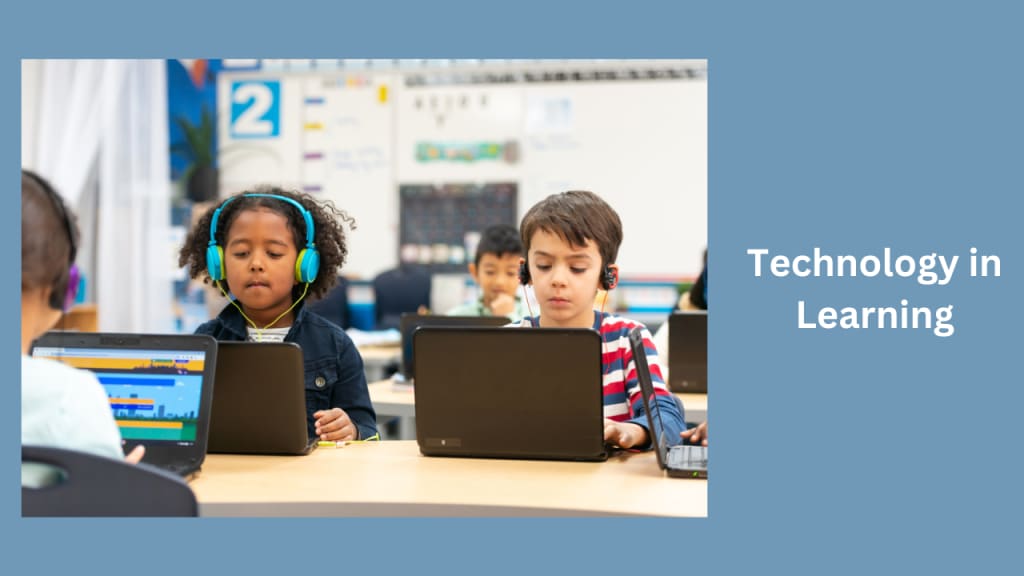
In the modern era, technology has become an integral part of our daily lives, shaping various sectors, including education. American curriculum schools in Dubai have been at the forefront of integrating technology into their classrooms, aiming to enhance the learning experience and prepare students for a technology-driven future. This article delves into the significant role technology plays in American curriculum schools in Dubai, exploring its impact on teaching methods, student engagement, and overall educational outcomes.
The Advancement of Technology in Education
Over the past decade, technological advancements have revolutionized the educational landscape worldwide. Traditional teaching methods have evolved into more dynamic, interactive, and personalized approaches, largely due to the integration of technology. American curriculum schools in Dubai have embraced this change and leveraged the potential of technology to create a conducive learning environment for students.
1. Personalized Learning through Adaptive Technology
One of the key benefits of incorporating technology in American curriculum schools is the ability to personalize the learning experience for each student. Adaptive learning platforms and software can assess individual student's strengths, weaknesses, and learning pace. Teachers can use this data to tailor their instruction, providing targeted support and challenging opportunities to maximize student growth.
In traditional classrooms, teachers often follow a one-size-fits-all approach, which might not be suitable for every student. However, with the introduction of adaptive technology, educators can cater to the unique needs of each learner. Students who grasp concepts quickly can progress at a faster pace, while those who require additional support can receive it without feeling overwhelmed or left behind.
2. Interactive Learning Resources
Gone are the days of static textbooks and one-dimensional learning materials. Technology has introduced a vast array of interactive learning resources in American curriculum schools. From educational apps and virtual simulations to multimedia presentations, students now have access to dynamic content that brings complex concepts to life and makes learning more engaging.
Interactive learning resources have proven to be particularly effective in subjects like science, mathematics, and history, where abstract concepts can be difficult to grasp through traditional methods alone. For instance, virtual simulations can enable students to conduct virtual experiments in a safe and controlled environment, providing a hands-on experience that enhances their understanding of scientific principles.
3. Collaborative Learning Opportunities
Technology has broken down geographical barriers, allowing students from different parts of the world to connect and collaborate on projects. American curriculum schools have embraced this aspect of technology, fostering global connections and enabling students to learn from diverse perspectives. Virtual classrooms, video conferencing, and online collaboration tools have become common tools for enhancing teamwork and cooperation among students.
Collaborative learning not only enhances students' communication and teamwork skills but also exposes them to different cultures and viewpoints. Through virtual exchanges and collaborative projects, American curriculum schools are preparing their students for a globally interconnected world, where cross-cultural understanding and collaboration are essential skills.
4. Flipped Classrooms and Blended Learning
The concept of a "flipped classroom" has gained popularity in American curriculum schools, especially in Dubai. In this model, students consume instructional content through online videos or interactive modules at home, while classroom time is reserved for discussions, problem-solving, and hands-on activities. This approach encourages active learning and deeper comprehension.
By flipping the traditional classroom structure, teachers can spend more time engaging with students, addressing their questions, and guiding them through challenging tasks. It also allows for a more flexible and efficient use of classroom time, as students can watch lectures or read materials at their own pace, enabling them to focus on areas where they need more support.
Similarly, "blended learning" combines face-to-face instruction with online elements, offering students flexibility and control over their learning journey. This hybrid model has proven to be effective in catering to diverse learning styles and preferences.
5. Access to a Wealth of Information
With the internet at their fingertips, students in American schools have access to an abundance of information. This unrestricted access enables them to delve deeper into subjects of interest, conduct research, and expand their knowledge beyond the boundaries of the traditional curriculum. However, this also places the responsibility on educators to teach students how to critically evaluate sources and discern credible information from unreliable ones.
The availability of vast amounts of information online can be both a blessing and a challenge. On one hand, students have the opportunity to explore diverse topics and pursue their interests beyond the classroom. On the other hand, they need guidance in navigating the sea of information and identifying reliable sources.
Challenges and Solutions
While the integration of technology in school offers numerous advantages, it also comes with its fair share of challenges.
1. Digital Divide
The digital divide refers to the disparity in access to technology and the internet among students. Some students may have access to state-of-the-art devices and high-speed internet, while others may lack these resources. To address this issue, schools must strive to provide equitable access to technology and ensure that no student is left behind.
Schools can collaborate with local authorities and private organizations to bridge the digital divide. Initiatives like providing students with laptops or tablets and ensuring free or affordable internet access in underserved areas can play a significant role in narrowing the gap.
2. Technology Integration Training
Effectively integrating technology into the classroom requires competent teachers who are well-versed in using digital tools. Schools must invest in continuous professional development for their faculty to enhance their digital literacy and pedagogical skills. This will enable teachers to make the most of technology and adapt their teaching methods to suit the needs of their students.
Professional development workshops and training sessions can help educators become more comfortable with technology and explore innovative ways to incorporate it into their lessons. Moreover, fostering a culture of collaboration among teachers can facilitate the sharing of best practices and successful strategies for using technology in the classroom.
3. Digital Distractions
The prevalence of technology can also lead to potential distractions for students. Schools must strike a balance between leveraging technology for educational purposes and ensuring that it does not hinder the learning process. Educators can employ techniques to manage screen time and keep students focused on their academic tasks.
Implementing guidelines for device usage during class time and encouraging students to practice digital mindfulness can help mitigate digital distractions. Additionally, incorporating interactive and engaging activities into lessons can captivate students' attention and reduce the temptation to be distracted by unrelated content.
Conclusion
Technology has significantly transformed American curriculum school, enriching the learning experience for students and empowering teachers to deliver engaging and personalized instruction. As technology continues to advance, it will undoubtedly play an even more critical role in shaping the future of education in these schools. However, it is vital to embrace technology mindfully, addressing challenges while maximizing its potential to nurture the next generation of innovators and thinkers. By harnessing the power of technology, American curriculum schools are paving the way for a brighter, tech-savvy future for their students.
About the Creator
Jane Smith
Jane Smith: Writer and Blogger. Passionate about education, parenting, and schools. Sharing insights to shape a brighter future. Join me!
Enjoyed the story? Support the Creator.
Subscribe for free to receive all their stories in your feed.
Comments
There are no comments for this story
Be the first to respond and start the conversation.