
The Role of Soft Skills in Career Success: Why Technical Skills Alone Aren’t Enough
Skills That meet jobs
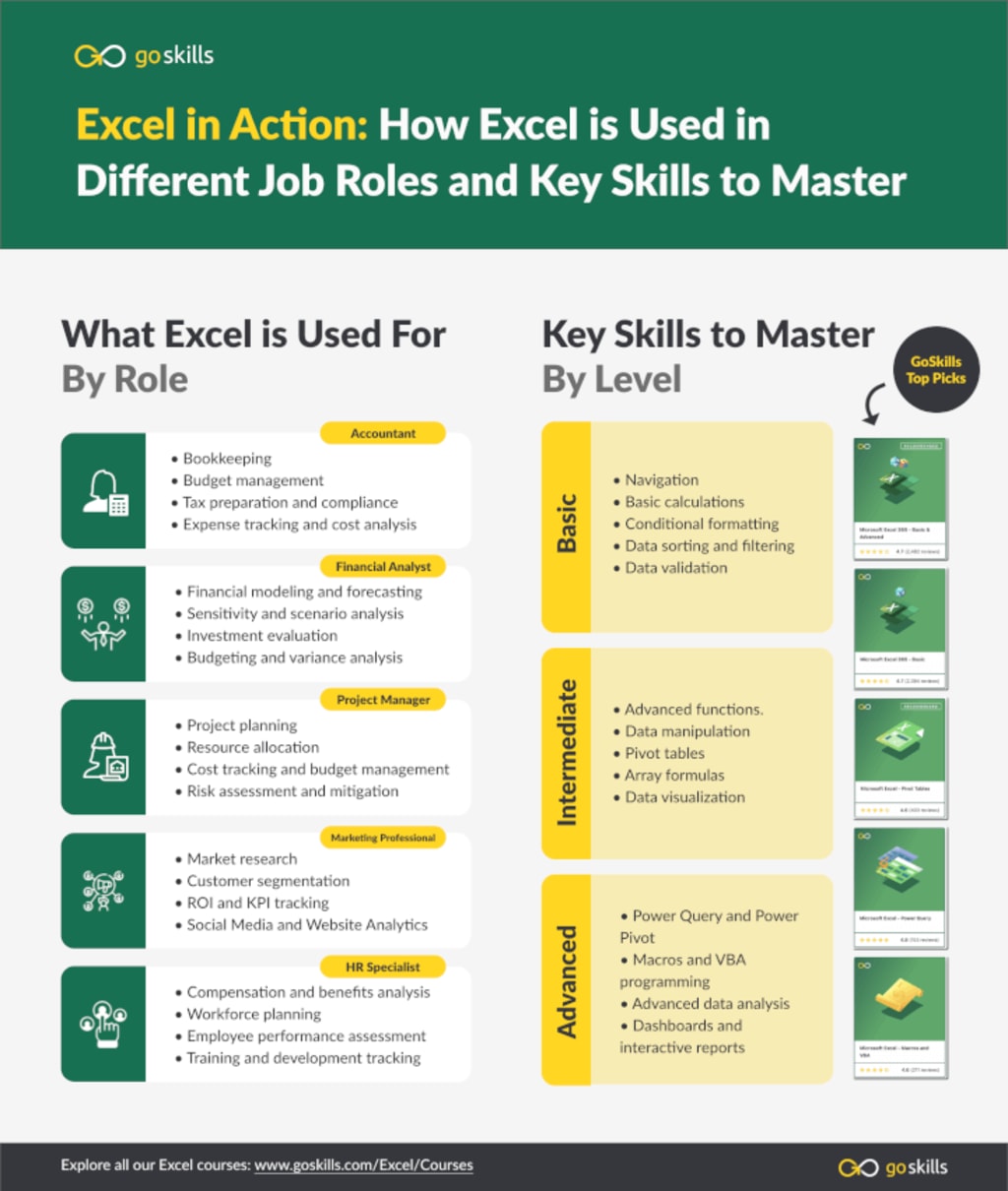
In today’s competitive job market, having technical skills is no longer sufficient for long-term career success. While proficiency in areas like coding, data analysis, and software applications such as Excel is crucial, soft skills are becoming just as important for advancing in any profession. Employers are increasingly looking for candidates who not only possess technical expertise but also excel in communication, teamwork, and adaptability.
What Are Soft Skills?
Soft skills refer to interpersonal qualities and attributes that enable individuals to interact effectively with others. Unlike technical skills, which are often job-specific and learned through formal education or training, soft skills are more about how you work and relate to others. Examples include emotional intelligence, communication, leadership, problem-solving, and time management.
One of the most valuable combinations in the workplace is a mix of technical expertise and strong soft skills. For example, professionals with advanced Excel skills may be well-equipped to handle data analysis tasks. However, if they lack the ability to communicate their findings clearly, they may struggle to add value to the organization. This is where soft skills come into play, helping professionals bridge the gap between technical work and real-world application.
Why Are Soft Skills Important in the Workplace?
1. Improved Collaboration
In many industries, teamwork is essential for achieving organizational goals. Professionals who can collaborate effectively with colleagues are more likely to contribute to a positive work environment and drive project success. Strong communication and empathy allow teams to work together efficiently, resolve conflicts, and share ideas openly.
2. Enhanced Problem-Solving
Soft skills like critical thinking and creativity play a crucial role in solving complex problems. While technical skills may help you diagnose an issue, it’s often soft skills that lead to innovative solutions. In fields like finance or IT, professionals must not only identify problems but also communicate potential solutions to stakeholders.
For example, an employee with strong technical proficiency in Excel may be able to create complex financial models. However, if they cannot explain the rationale behind their calculations, their impact may be limited. Learning to balance technical and soft skills can help finance professionals excel in roles requiring advanced Excel skills in Pune.
3. Leadership and Management
Leadership isn’t just about managing teams—it’s about motivating others, making decisions under pressure, and fostering a productive work environment. Soft skills like emotional intelligence, adaptability, and conflict resolution are essential for effective leadership. Managers who lead with empathy and strong communication skills are more likely to inspire their teams and achieve better results.
4. Better Client Relationships
In many professions, building strong relationships with clients is essential for long-term success. Soft skills like active listening, empathy, and negotiation are critical in managing client expectations and delivering exceptional customer service. These qualities help professionals build trust and rapport with clients, leading to repeat business and referrals.
How to Improve Your Soft Skills
1. Seek Feedback
One of the best ways to improve soft skills is by seeking feedback from colleagues, supervisors, and mentors. Honest feedback can help you identify areas where you need to improve and provide guidance on how to enhance your interpersonal skills.
2. Practice Active Listening
Active listening is a cornerstone of effective communication. By fully engaging with others during conversations—asking clarifying questions and summarizing what you’ve heard—you demonstrate that you value their input and understand their perspective.
3. Take Initiative
Leadership and problem-solving skills can be developed by taking on new challenges or responsibilities. Volunteering for projects outside your usual scope of work can provide opportunities to build and refine your soft skills.
4. Invest in Continuous Learning
Just as with technical skills, soft skills can be learned and improved. Consider enrolling in courses focused on leadership, communication, or emotional intelligence. Many online platforms offer specialized programs designed to help professionals enhance their soft skills.
5. Network
Building a professional network is a great way to improve your soft skills. Networking forces you to step out of your comfort zone and engage in conversations with people from various industries and backgrounds. This not only helps improve communication but also provides valuable insights and opportunities for collaboration.
The Perfect Balance of Hard and Soft Skills
In today’s job market, it’s clear that technical skills alone won’t guarantee career success. While tools like Excel, coding languages, or financial modeling are essential for many roles, soft skills are what help professionals apply their technical knowledge in practical ways.
For those looking to advance in technical fields, combining expertise in tools like advanced Excel with strong interpersonal and leadership skills will open doors to greater career opportunities. It’s this balance of hard and soft skills that sets successful professionals apart from their peers.
About the Creator
Enjoyed the story? Support the Creator.
Subscribe for free to receive all their stories in your feed.
Comments
There are no comments for this story
Be the first to respond and start the conversation.