
The Role of Play in Education Learning: Why It Matters
Why Play Matters in Education

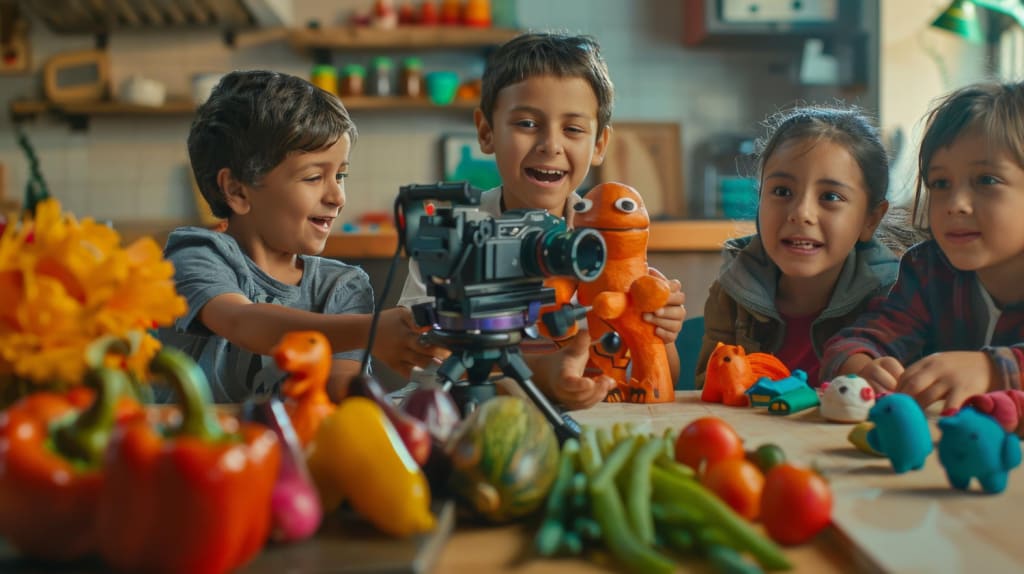
Play has a crucial role in shaping the way children learn, grow, and develop. In the context of education, it is much more than just a leisure activity. Play-based learning encourages children to explore, experiment, and discover, building a strong foundation for their cognitive, social, and emotional development.
Schools around the world, including Indian schools, are increasingly integrating play into their teaching methodologies, recognising its immense value in enhancing the educational experience.
Why Play Matters in Education
Play is a natural way for children to learn. It helps them grasp concepts, develop essential life skills, and become confident learners. Unlike rote learning, play-based activities stimulate curiosity and creativity, making education more engaging and enjoyable for young minds.
Key Benefits of Play in Learning
1. Boosting Cognitive Development
Activities such as puzzles, building blocks, and problem-solving games strengthen children's cognitive abilities. These activities promote critical thinking, improve memory, and encourage decision-making, which are essential for academic and personal growth.
2. Encouraging Social Skills
When children play in groups, they learn to communicate, share, and collaborate. This interaction fosters empathy, teamwork, and conflict resolution, preparing them for real-world situations.
3. Nurturing Creativity and Imagination
Through creative play, children explore new ideas and experiment with different perspectives. Whether it's role-playing or storytelling, these activities spark imagination and help children think outside the box.
4. Enhancing Emotional Well-Being
Play provides a safe space for children to express emotions, cope with stress, and develop resilience. Games and activities teach them how to handle challenges, overcome setbacks, and celebrate achievements.
5. Supporting Physical Health
Outdoor and physical play activities improve motor skills, coordination, and overall health. Activities like running, jumping, or playing sports ensure that children remain physically active and healthy.
How Play-Based Learning Works in Schools
Schools that adopt play-based learning combine traditional teaching methods with interactive activities to create a balanced approach. This methodology not only makes learning fun but also ensures better retention of knowledge.
1. Interactive Classrooms
Classrooms filled with educational toys, games, and visual aids encourage children to engage actively with lessons. Interactive tools make abstract concepts easier to understand.
2. Outdoor Play Sessions
Playgrounds and outdoor activities provide opportunities for children to learn through exploration and interaction with nature. Schools can use outdoor play to teach environmental awareness and teamwork.
3. Structured Play Activities
Teachers can design activities that align with educational objectives while keeping children engaged. For example, science experiments, group projects, and creative arts can combine learning with enjoyment.
Addressing Challenges in Play-Based Learning
While the benefits of play in education are undeniable, implementing it in schools often comes with challenges. Limited resources, academic pressures, and lack of awareness among educators can hinder its adoption.
To overcome these obstacles, schools and educators can:
- Invest in Resources: Allocate funds for play equipment and teacher training programs.
- Educate Stakeholders: Raise awareness among parents and staff about the importance of play-based learning.
- Redefine Success: Shift the focus from purely academic performance to holistic development.
The Role of Play in Early Education
Early childhood education is the ideal stage for integrating play into learning. During these formative years, children are naturally curious and eager to explore their surroundings. Play-based learning encourages them to ask questions, seek answers, and develop a lifelong love for learning.
Holistic Development in Early Years
Play in early education goes beyond academics. It lays the groundwork for physical, emotional, and social growth. For instance, group activities teach children how to interact with peers, while creative tasks allow them to express their individuality.
Why Parents Value Play-Based Learning
With rising primary school fees, parents are increasingly seeking schools that offer more than just academic excellence. They value institutions that prioritise holistic development and foster creativity, confidence, and critical thinking in children. Play-based learning aligns with these expectations by creating an environment where children thrive.
Long-Term Impact of Play in Education
The benefits of play extend beyond childhood. Students who engage in play-based learning often develop skills that serve them well into adulthood. These include:
- Problem-solving abilities
- Strong interpersonal skills
- Adaptability and resilience
- A love for learning and innovation
By adopting play-based approaches, Indian schools can prepare students for the demands of the modern world while ensuring a joyful and meaningful education experience.
Suggestions for Incorporating Play in Schools
- Integrate Play in Daily Lessons: Use games, activities, and interactive tools to teach subjects like maths, science, and language.
- Prioritise Outdoor Play: Ensure children have access to open spaces for recreational and educational activities.
- Offer Flexible Schedules: Allow time for unstructured play, where children can explore and experiment freely.
- Engage Parents: Involve parents in play-based activities to create a supportive learning environment at home and school.
The Way Forward
Play is not just a break from learning—it is a powerful tool that enhances it. By recognising the importance of play and integrating it into educational systems, schools can create a dynamic and inclusive learning environment.
For students, play is the key to unlocking their potential and preparing them for a future where adaptability, creativity, and emotional intelligence are as important as academic success. To ensure this, schools must embrace play as an essential part of education, paving the way for well-rounded, confident individuals.
About the Creator
Kajal Verma
I’m passionate about connecting families with the right international schools and curricula that will guide them on their educational journey and foster their growth.
Enjoyed the story? Support the Creator.
Subscribe for free to receive all their stories in your feed.
Comments
There are no comments for this story
Be the first to respond and start the conversation.