
The Role of a Teacher in Students' Personal Development: Beyond Academics
Role of a Teacher in Students
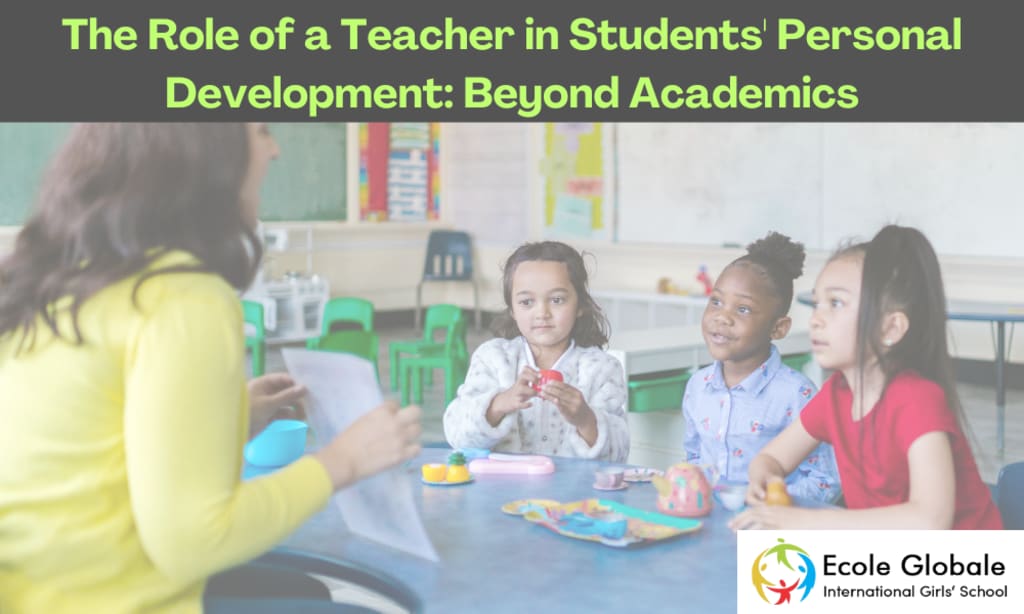
In today’s world, where students face countless pressures and distractions, the role of a teacher in students lives extends far beyond academics. While academic achievements remain important, personal development is just as critical, equipping students with the confidence, resilience, and life skills they need for the future.
For parents, understanding the role of a teacher in students' overall development can provide insight into how their child’s growth is being nurtured in meaningful ways.
This article explores the ways teachers contribute to students' personal growth and why these contributions matter in preparing students for life beyond the classroom.
1. Creating a Positive Learning Environment
A positive and safe learning environment is foundational for both academic and personal growth. The role of a teacher in students' lives often starts with creating a welcoming space where students feel valued, respected, and motivated to learn.
Teachers establish clear expectations and maintain an encouraging atmosphere, helping students to feel comfortable and engaged. In this nurturing environment, students are more likely to develop confidence, emotional resilience, and a strong sense of self.
Ways Teachers Foster a Positive Environment:
Setting Clear Boundaries: Establishing guidelines that promote respect and collaboration.
Recognizing Individual Strengths: Appreciating each student’s unique abilities and contributions to the class.
Modeling Respectful Behavior: Demonstrating respectful interactions, which encourages students to treat others with the same regard.
2. Encouraging Emotional Intelligence
Another key aspect of the role of a teacher in students' development is fostering emotional intelligence. Emotional intelligence — the ability to recognize, understand, and manage one's emotions and empathize with others — is essential for success in life.
Teachers guide students in identifying and managing their emotions, especially when facing academic or social challenges. Through classroom discussions, one-on-one conversations, and empathy-driven interactions, teachers help students understand their feelings and improve their social interactions.
Building Emotional Intelligence:
Using Role-Playing Activities: Engaging students in scenarios that encourage empathy and understanding.
Encouraging Reflection: Asking students to think about their emotions and how they handle challenging situations.
Modeling Empathy: Showing understanding and compassion, which teaches students to practice these qualities.
3. Instilling a Growth Mindset
A growth mindset — the belief that abilities and intelligence can be developed with effort and persistence — is a powerful tool for personal development.
The role of a teacher in students' growth mindset formation is crucial, as teachers shape how students view challenges and setbacks. Teachers who emphasize learning from mistakes and celebrating progress help students develop resilience and perseverance.
For parents, a teacher who nurtures a growth mindset in their child provides a foundation for success, both academically and in future endeavors.
Strategies Teachers Use to Build a Growth Mindset:
Celebrating Effort: Acknowledging the hard work and dedication that students put into their tasks.
Encouraging Risk-Taking: Giving students the freedom to experiment and make mistakes.
Providing Constructive Feedback: Offering guidance that focuses on improvement rather than perfection.
4. Teaching Responsibility and Accountability
Personal development also involves learning responsibility and accountability, skills that are essential for adulthood. Teachers encourage students to take ownership of their actions, both in their academic work and in their interactions with others.
By setting deadlines, holding students accountable for their assignments, and encouraging them to take responsibility for their choices, teachers prepare students for real-world expectations.
How Teachers Teach Responsibility:
Clear Expectations: Outlining responsibilities, like turning in homework and being prepared for class.
Encouraging Self-Assessment: Allowing students to reflect on their performance and identify areas for improvement.
Assigning Leadership Roles: Giving students responsibilities in group activities or class projects.
5. Fostering Independence and Decision-Making Skills
One of the important aspects of the role of a teacher in students' development is nurturing independence and strong decision-making abilities.
In today’s world, students need to learn how to make informed choices, both in academic settings and in their personal lives. Teachers provide guidance but also allow students to make their own decisions, even if it means making mistakes.
This hands-off approach helps students build confidence and learn the consequences of their actions.
Encouraging Independence in the Classroom:
Providing Choice in Learning: Allowing students to choose projects or topics of interest.
Offering Problem-Solving Opportunities: Giving students complex tasks that require them to find solutions.
Promoting Self-Learning: Encouraging students to seek out information and resources independently.
6. Building Communication and Social Skills
Effective communication and social skills are necessary for personal and professional success. Teachers play an essential role in developing these skills by providing opportunities for students to work in groups, participate in discussions, and express their thoughts confidently.
Group activities and class discussions enable students to learn how to communicate, collaborate, and resolve conflicts constructively, which are invaluable skills for their future relationships and careers.
Activities to Improve Communication Skills:
Class Discussions: Providing a platform where students can share their opinions and listen to others.
Group Projects: Encouraging teamwork, which teaches cooperation, negotiation, and compromise.
Public Speaking Practice: Allowing students to present their work to the class, helping them build confidence in expressing themselves.
7. Inspiring Lifelong Learning and Curiosity
Instilling a love for learning is another critical aspect of the role of a teacher in students' personal development. Teachers inspire curiosity, encouraging students to explore new ideas and develop interests that go beyond the curriculum.
By promoting a love for discovery, teachers help students adopt a mindset that values continuous growth, which will serve them throughout life. Parents can feel assured that a teacher who values lifelong learning is preparing their child to remain curious, motivated, and engaged with the world.
Inspiring Lifelong Learning:
Encouraging Exploration: Supporting students’ individual interests and curiosities.
Creating a Stimulating Classroom Environment: Making learning exciting and relevant with real-world applications.
Promoting Self-Improvement: Encouraging students to set personal goals and pursue knowledge beyond the classroom.
8. Supporting Mental Health and Well-being
The role of a teacher in students' lives increasingly involves supporting mental health and well-being. Teachers often identify early signs of stress or anxiety and provide a safe space for students to talk about their feelings.
By fostering a compassionate environment, teachers help students build coping skills and resilience, which are crucial for handling life’s challenges. For parents, a teacher who supports mental well-being offers reassurance that their child is learning in a nurturing environment.
How Teachers Support Mental Health:
Creating Open Communication Channels: Encouraging students to share their concerns and providing support.
Promoting Healthy Habits: Emphasizing the importance of balance and self-care.
Providing Resources: Connecting students with counselors or other mental health resources when needed.
Conclusion: The Lasting Impact of the Role of a Teacher in Students' Personal Development
The role of a teacher in students' personal development is extensive and impactful. Beyond academics, teachers instill values, skills, and mindsets that shape students' character and help them thrive in life.
For parents, understanding the role of a teacher in students' lives is crucial for appreciating the influence a teacher has on their child’s growth.
For students, the lessons learned from a dedicated teacher extend far beyond the classroom, laying a foundation for lifelong success, happiness, and resilience.
The role of a teacher, therefore, is not just about imparting knowledge but about guiding students to become well-rounded individuals ready to face the complexities of the world with confidence and integrity.
About the Creator
Enjoyed the story? Support the Creator.
Subscribe for free to receive all their stories in your feed.
Comments
There are no comments for this story
Be the first to respond and start the conversation.