
The Rise of Artificial Intelligence
Transforming Industries and Reshaping the Future
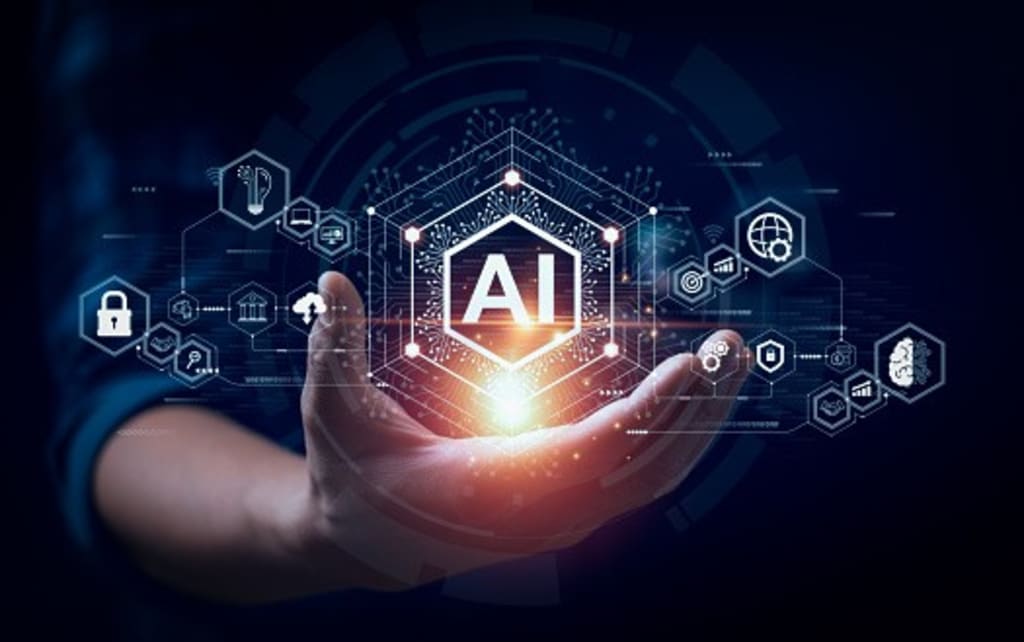
Artificial Intelligence (AI) has emerged as a groundbreaking technology that is revolutionizing industries across the globe. With its ability to mimic human intelligence and automate complex tasks, AI is transforming businesses, enhancing productivity, and reshaping the future. In this article, we will explore the remarkable advancements in AI and the profound impact it is having on various sectors.
Artificial Intelligence is making significant strides in the healthcare sector, empowering medical professionals with advanced tools for diagnosis, treatment, and patient care. AI algorithms can analyze large amounts of medical data, enabling accurate disease detection, personalized treatments, and better patient outcomes. Additionally, AI-powered robots and virtual assistants are streamlining administrative tasks, improving operational efficiency, and enhancing patient experiences. From diagnosing diseases to predicting epidemics, AI is poised to revolutionize healthcare delivery and drive transformative changes in the industry.
While AI presents numerous opportunities for improving healthcare, it also raises ethical concerns and challenges. One major concern is the potential bias in AI algorithms, as they rely on data that may reflect societal inequalities or lack diversity. Ensuring fairness and transparency in AI algorithms is crucial to avoid exacerbating existing disparities in healthcare. Additionally, data security and patient privacy are critical considerations when utilizing AI in healthcare. Robust safeguards must be implemented to protect sensitive patient information and prevent unauthorized access. Finally, there is the challenge of integrating AI seamlessly into healthcare workflows and ensuring that healthcare professionals are adequately trained to work alongside AI systems.
One of the most significant applications of AI in healthcare is in diagnostics and treatment. AI algorithms can analyze vast amounts of medical data, including patient records, lab results, and imaging scans, to assist healthcare professionals in accurate diagnosis and treatment planning. Machine learning models can detect patterns and anomalies that may go unnoticed by human doctors, leading to earlier detection of diseases such as cancer and cardiovascular conditions. AI-powered systems can also recommend personalized treatment plans based on individual patient data, optimizing patient care and outcomes. Moreover, robotics and AI-assisted surgeries enable precise and minimally invasive procedures, reducing risks, and improving recovery times.
The financial sector is embracing AI to enhance decision-making, detect fraud, and optimize processes. Machine learning algorithms are employed to analyze vast volumes of financial data, identify patterns, and make accurate predictions for investment strategies. Chatbots and virtual assistants powered by AI are providing personalized customer service, answering queries, and offering financial advice. Moreover, AI is aiding in risk assessment, credit scoring, and fraud detection, enabling financial institutions to mitigate risks and ensure security. The integration of AI technologies is reshaping the finance industry, fostering innovation, and driving operational efficiency.
Manufacturing processes are becoming more efficient and streamlined with the implementation of AI. Intelligent robots and automation systems are revolutionizing production lines, increasing productivity, and reducing errors. AI-powered predictive maintenance systems can identify equipment failures before they occur, minimizing downtime and optimizing production schedules. Furthermore, AI algorithms are employed to analyze complex supply chain data, improving inventory management and optimizing logistics. By harnessing AI, manufacturers can achieve higher levels of precision, cost-effectiveness, and sustainability, ushering in the era of smart factories.
The transportation industry is experiencing a transformative wave with the integration of AI. Self-driving vehicles and smart traffic management systems are poised to revolutionize urban mobility, making transportation safer, more efficient, and sustainable. AI-powered algorithms analyze real-time data to optimize routes, reduce congestion, and enhance traffic flow. Additionally, AI is revolutionizing logistics by optimizing fleet management, minimizing fuel consumption, and improving delivery times. With advancements in AI, transportation is undergoing a radical transformation, paving the way for autonomous vehicles and intelligent transportation systems.
Artificial Intelligence is reshaping industries across the board, driving innovation, and unlocking new possibilities. From healthcare and finance to manufacturing and transportation, AI is revolutionizing operations, enhancing efficiency, and improving outcomes. As AI continues to advance, it will undoubtedly play a pivotal role in shaping the future, offering tremendous opportunities and transforming the way we live and work
About the Creator
Enjoyed the story? Support the Creator.
Subscribe for free to receive all their stories in your feed.
Comments
There are no comments for this story
Be the first to respond and start the conversation.