
The Pros and Cons of In-House vs. Outsourced Website Translation
Balancing Control and Expertise: Pros and Cons of In-House vs. Outsourced Website Translation

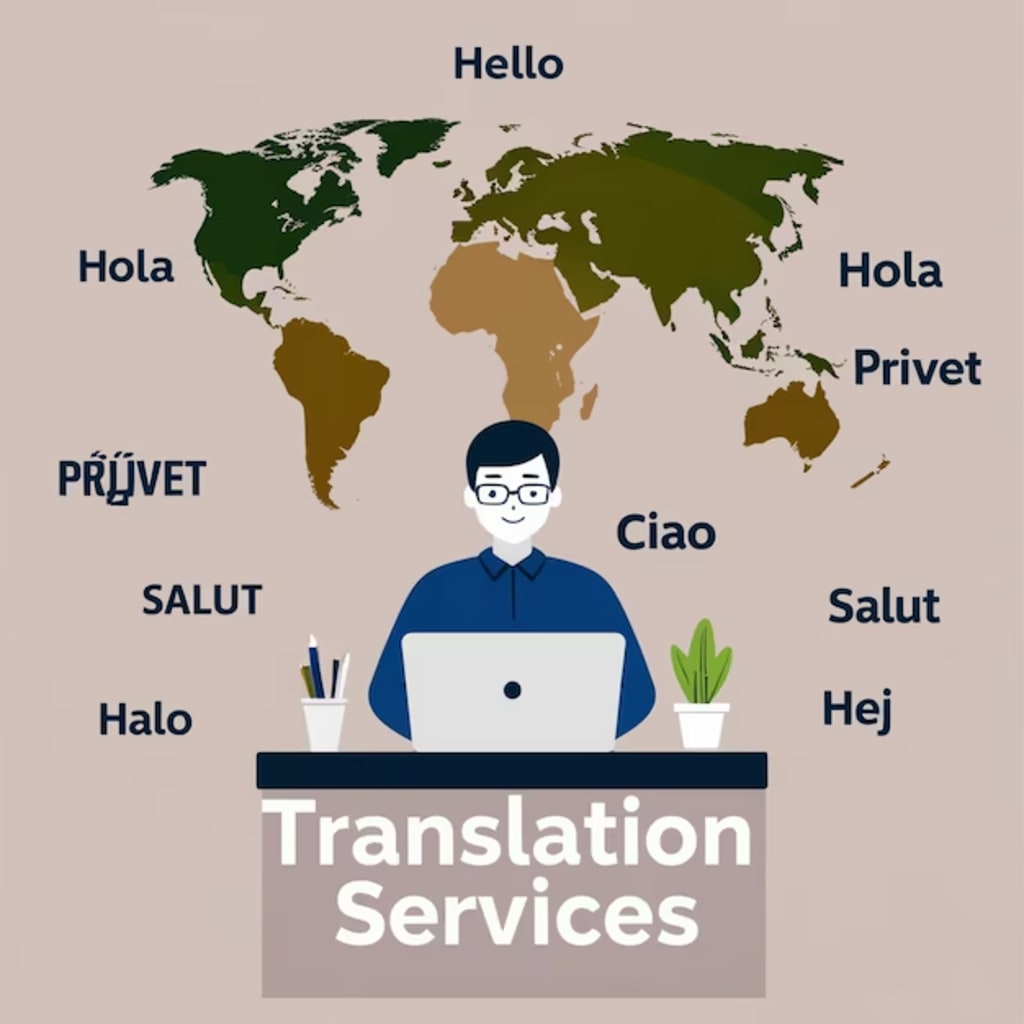
In an increasingly globalised world, businesses must cater to diverse audiences to remain competitive. Website translation is a crucial part of this process, ensuring your message resonates across cultures and languages. But should you manage translations in-house or outsource them to professionals? Each approach has its benefits and drawbacks. Let’s explore both options to help you determine the best fit for your needs and ensure effective communication through top-notch Website Translation Services.
What is Website Translation?
Website translation involves converting your website’s content into another language, considering cultural nuances and local preferences. This process often requires a combination of linguistic skill, cultural knowledge, and technical expertise. Whether you operate a multinational e-commerce platform or a regional blog, translating your website accurately can make or break your audience’s trust and engagement.
The In-House Approach: Pros and Cons
Pros of In-House Website Translation
1. Complete Control Over the Process Managing website translation in-house gives you full oversight of the content, tone, and style. This is particularly advantageous for businesses with strict brand guidelines or highly sensitive material.
2. Immediate Availability of Resources Your in-house team is readily accessible, enabling quick updates and revisions. This agility can be crucial for businesses that need to make frequenWebsite Translationt changes to their website.
3. Industry-Specific Expertise Employees already familiar with your company’s operations and industry jargon can provide translations that align seamlessly with your messaging. This ensures consistency and accuracy.
Cons of In-House Website Translation
1. High Costs Recruiting and training translators, purchasing translation software, and maintaining resources can be expensive. For small to medium-sized enterprises, these costs might outweigh the benefits.
2. Limited Scalability If you need to translate your website into multiple languages, managing the workload with an in-house team may become overwhelming. The process can become time-intensive, delaying project timelines.
3. Lack of Linguistic Diversity Your in-house team may lack the cultural insight and language proficiency required for certain regions. This could lead to translations that miss the mark with local audiences.
The Outsourced Approach: Pros and Cons
Pros of Outsourced Website Translation
1. Access to Professional Expertise By outsourcing, you tap into the expertise of professional linguists and agencies specialising in Website Translation Services. They bring years of experience and an understanding of cultural nuances that in-house teams might lack.
2. Cost Efficiency While outsourcing comes with a price tag, it often proves more cost-effective than maintaining a full-time translation team. You pay only for the services you need, whether it’s a one-time translation or ongoing updates.
3. Scalability and Flexibility Professional translation agencies can handle projects of any size, whether you’re translating a single page or an entire website into multiple languages. They can scale their services to match your needs.
4. Use of Advanced Tools Many translation agencies utilise cutting-edge tools like Translation Memory (TM) and Computer-Assisted Translation (CAT) software. These tools ensure consistency across all translated content and speed up the process.
Cons of Outsourced Website Translation
1. Limited Control Outsourcing means entrusting an external party with your brand’s messaging. While professional agencies strive for accuracy, you may feel less in control of the tone or style.
2. Communication Barriers Working with external translators can sometimes lead to miscommunication, especially if expectations aren’t clearly defined. This can result in delays or the need for multiple revisions.
3. Quality Assurance Challenges Ensuring the final product aligns with your expectations might require additional oversight. This could mean dedicating time and resources to reviewing the translations.
Key Factors to Consider When Choosing Between In-House and Outsourced Translation
Budget
For businesses with limited resources, outsourcing is often the more economical choice. However, larger organisations with frequent translation needs might benefit from an in-house team despite the higher initial costs.
Frequency of Updates
If your website requires constant updates or operates in a fast-paced industry, an in-house team can provide quicker turnarounds. On the other hand, outsourcing works well for periodic translations or large-scale projects.
Language Needs
The complexity and number of languages required can influence your decision. Outsourcing is ideal for multilingual projects, while in-house teams may suffice for a single language.
Brand Consistency
If maintaining a consistent brand voice across translations is critical, you might prefer an in-house approach. Alternatively, you can work closely with a translation agency to ensure alignment with your brand guidelines.
Best Practices for Website Translation
Define Clear Objectives
Whether in-house or outsourced, start with a clear understanding of your translation goals. Identify the target audience, preferred languages, and cultural considerations.
Leverage Translation Technology
Use tools like CAT software and glossaries to streamline the process. These technologies enhance consistency and reduce the time required for future updates.
Prioritise Localisation
Translation isn’t just about words; it’s about context. Localisation ensures your content aligns with cultural norms, idiomatic expressions, and local preferences.
Conduct Quality Checks
Always review translations for accuracy, tone, and cultural relevance. If outsourcing, request quality assurance as part of the package.
The Role of Hybrid Models
For some businesses, a hybrid approach combining in-house and outsourced resources may be the optimal solution. For instance:
- An in-house team handles core content and sensitive material.
- Outsourced agencies manage large-scale or multilingual projects.
This model balances control and cost-efficiency, offering the best of both worlds.
Conclusion
Both in-house and outsourced website translation methods have their advantages and challenges. Your choice depends on your budget, frequency of updates, and language needs. While in-house translation offers greater control and brand consistency, outsourcing provides access to expertise and scalability, often at a lower cost.
To maximise the effectiveness of your Website Translation Services, consider your specific business requirements and explore hybrid solutions if necessary. By prioritising quality and localisation, you can ensure your website appeals to a global audience while maintaining its integrity.
FAQs
1. What is the difference between translation and localisation?
Translation focuses on converting text into another language, while localisation adapts content to fit the cultural and linguistic nuances of a specific audience.
2. How much does outsourcing website translation cost?
Costs vary based on the language, complexity, and volume of content. Many agencies offer tailored pricing models to suit different budgets.
3. Can machine translation replace professional translation?
While tools like Google Translate are useful for quick, informal translations, they lack the accuracy and cultural understanding provided by professional services.
4. How do I ensure consistent translations across my website?
Use tools like Translation Memory and maintain a glossary of terms. Whether in-house or outsourced, clear guidelines and quality checks are essential.
5. How long does it take to translate a website?
Timelines depend on the size of the website and the number of languages required. Outsourced agencies typically offer faster turnaround times for large projects.
About the Creator
WelcomeTranslationExperts
Welcome Translation Experts has over a decade of experience within the Translation and Interpreting sector. Having specialised in legal translation services.
Enjoyed the story? Support the Creator.
Subscribe for free to receive all their stories in your feed.
Comments
There are no comments for this story
Be the first to respond and start the conversation.