
The Power of Rational Financial Decisions
Investing Without Panic

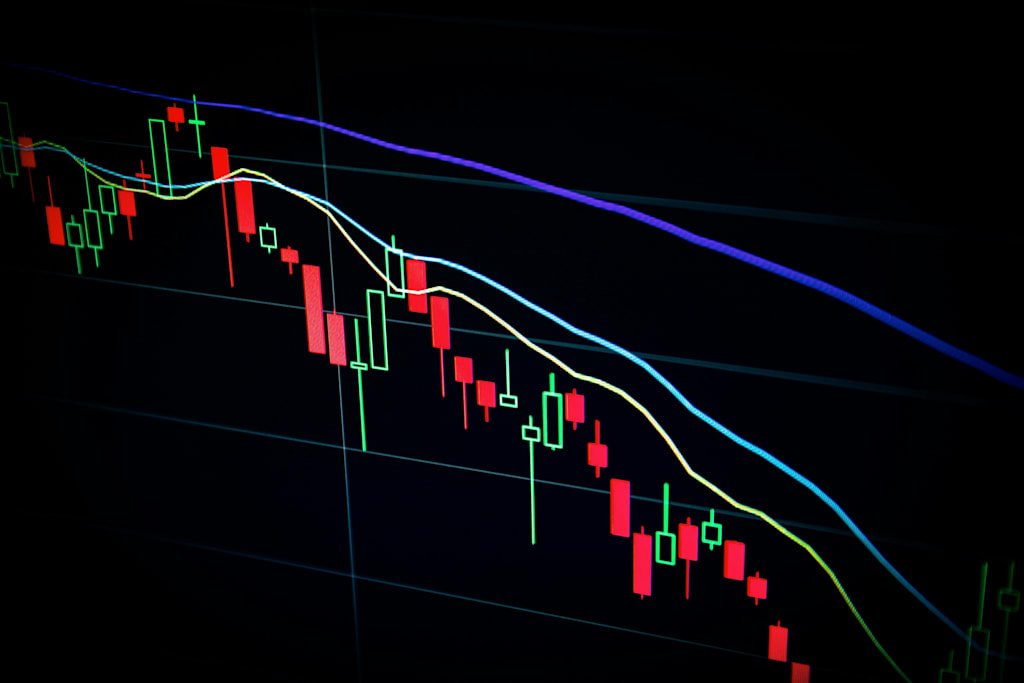
Financial markets create emotional pressure for nearly every investor. Prices rise quickly, fall unexpectedly, and often shift without warning. Because money connects closely to personal security and future goals, investing can trigger strong emotional reactions. Fear, excitement, frustration, and overconfidence frequently influence decisions in ways investors may not even recognize.
Many people enter the market with a logical plan. However, emotions often take control once volatility appears. Investors may panic during market declines or become reckless during strong rallies. As a result, emotional decisions can damage long-term portfolio performance and increase unnecessary risk.
Successful investing requires more than financial knowledge alone. Emotional discipline plays an equally important role. Investors who remain calm during uncertain periods often make smarter and more consistent decisions. Therefore, understanding investment psychology can help individuals avoid costly mistakes and maintain long-term financial focus.
Why Human Emotions Affect Investing
People naturally react emotionally to uncertainty. Financial markets constantly create uncertain conditions, which explains why emotions influence investing so strongly. When portfolios gain value, investors feel confident and optimistic. On the other hand, declining markets often trigger fear and anxiety.
Fear creates some of the most damaging investment behaviors. During market downturns, many investors worry losses will continue indefinitely. Consequently, they sell investments during periods of panic. Unfortunately, markets frequently recover after sharp declines, so emotional selling often locks in unnecessary losses.
Excitement can also create problems. Investors sometimes chase rapidly rising stocks or trending sectors because they fear missing opportunities. During strong bull markets, confidence grows quickly, and investors may ignore warning signs. As a result, they often take excessive risks at the worst possible time.
Social pressure also strengthens emotional reactions. Investors frequently compare their performance to others or follow popular market trends. However, crowd behavior rarely guarantees successful outcomes. Therefore, emotional awareness becomes critical for maintaining rational decision-making.
The Problem with Short-Term Reactions
Modern investing encourages constant attention to market activity. News alerts, financial websites, and social media provide nonstop updates about stock movements and economic events. Because of this constant flow of information, investors often feel pressure to react immediately.
Short-term thinking can weaken investment performance. Investors may interpret temporary market fluctuations as signs of larger problems. Consequently, they adjust portfolios too frequently or abandon long-term strategies during periods of volatility.
Market declines often intensify emotional decision-making. Sharp losses create stress, and stress encourages impulsive behavior. Investors who focus heavily on daily price movements may struggle to maintain perspective during these periods.
However, long-term investing requires patience. Markets naturally experience cycles of growth, correction, and recovery. Investors who remain focused on long-term objectives usually avoid many of the mistakes caused by short-term fear.
Frequent trading also increases emotional exhaustion. Constant decision-making creates stress and uncertainty, which may reduce confidence over time. Therefore, disciplined investors often benefit from limiting unnecessary portfolio adjustments.
Psychological Biases That Influence Investors
Several psychological biases affect investment behavior. One common bias is loss aversion. People generally dislike losses more than they enjoy equivalent gains. Because of this tendency, investors often react more strongly to market declines than to market gains.
Overconfidence also affects many investors. After successful investments, some individuals believe they can consistently predict future market movements. As a result, they may ignore diversification principles or take excessive risks.
Recency bias creates another challenge. Investors often assume recent market trends will continue indefinitely. During strong markets, they may expect endless growth. During downturns, they may expect continued decline. However, markets constantly change direction over time.
Confirmation bias can also distort judgment. Investors often seek information that supports their existing opinions while ignoring opposing viewpoints. Consequently, they may overlook important risks or maintain poor investment positions longer than necessary.
Anchoring bias affects decision-making as well. Investors sometimes become emotionally attached to specific purchase prices or past portfolio values. This attachment may prevent objective analysis and rational decisions.
Recognizing these biases helps investors improve self-awareness. Although emotions never disappear completely, awareness can reduce their influence on financial choices.
Creating a Disciplined Investment Strategy
A clear investment strategy helps reduce emotional reactions during volatile markets. Investors who establish long-term financial goals often feel more confident during temporary market disruptions. Therefore, structured planning supports rational decision-making.
Diversification remains one of the most effective tools for emotional stability. Portfolios that include different asset classes often experience lower overall volatility. Because of this balance, investors may feel less pressure during market downturns.
Asset allocation also supports emotional discipline. Investors who maintain portfolios aligned with their risk tolerance usually respond more calmly to market changes. Regular portfolio reviews can help maintain a proper balance over time.
Automatic investing strategies may further reduce emotional interference. Regular contributions during both rising and falling markets encourage consistency and remove the temptation to time the market. Over time, this approach may strengthen long-term investment habits.
Investors should also maintain realistic expectations. Financial markets will always experience volatility and uncertainty. Accepting this reality helps reduce panic during difficult periods and prevents unrealistic optimism during strong rallies.
The Influence of Media and Market Noise
Financial media strongly affects investor psychology. News organizations often emphasize dramatic market events because fear and excitement attract attention. Consequently, investors may feel pressure to react quickly to every headline.
Social media has significantly increased this challenge. Investors now encounter constant opinions, predictions, and speculation online. While some information may provide value, excessive exposure often increases anxiety and confusion.
Market noise can distract investors from long-term goals. Daily market fluctuations rarely determine long-term financial success, yet constant updates create emotional pressure. Therefore, limiting exposure to unnecessary commentary can improve investment discipline.
Experienced investors often filter information carefully. Instead of reacting emotionally to every market story, they focus on reliable data and long-term trends. This approach supports calmer decision-making and reduces stress.
Perspective also matters greatly. Markets have historically recovered from recessions, crashes, and economic uncertainty. Investors who understand this pattern often remain calmer during periods of volatility.
Strengthening Emotional Discipline Over Time
Emotional discipline develops gradually through experience and self-awareness. Investors who recognize emotional triggers can respond more thoughtfully during stressful situations. Instead of reacting impulsively, they can rely on established strategies and long-term goals.
Education also improves confidence. Investors who understand market history and portfolio management often feel less anxious during downturns. Knowledge reduces uncertainty, and lower uncertainty usually supports better decisions.
Patience remains another essential quality. Long-term investing often rewards consistency more than rapid decision-making. Investors who stay patient during volatility frequently avoid costly emotional mistakes.
Humility also matters in financial markets. No investor can predict market movements perfectly, and uncertainty is always part of investing. Accepting this reality encourages balanced thinking and reduces overconfidence.
Successful investing depends on both financial strategy and emotional control. Markets will continue to rise and fall, yet disciplined investors often navigate these changes more effectively. When decisions are based on logic rather than emotion, investors place themselves in a stronger position for long-term financial success.
About the Creator
Winston Feng
Winston Feng, Cornell National Scholar and ex-Goldman Sachs banker, built a billion-dollar firm, champions ESG leadership, and supports global philanthropic causes.
Portfolio: https://winston-feng.com/
Enjoyed the story? Support the Creator.
Subscribe for free to receive all their stories in your feed.
Comments