
The Power of Knowledge: Why Education is Essential for Vocal Media
Building Credibility, Responsibility, and Influence Through Informed Communication
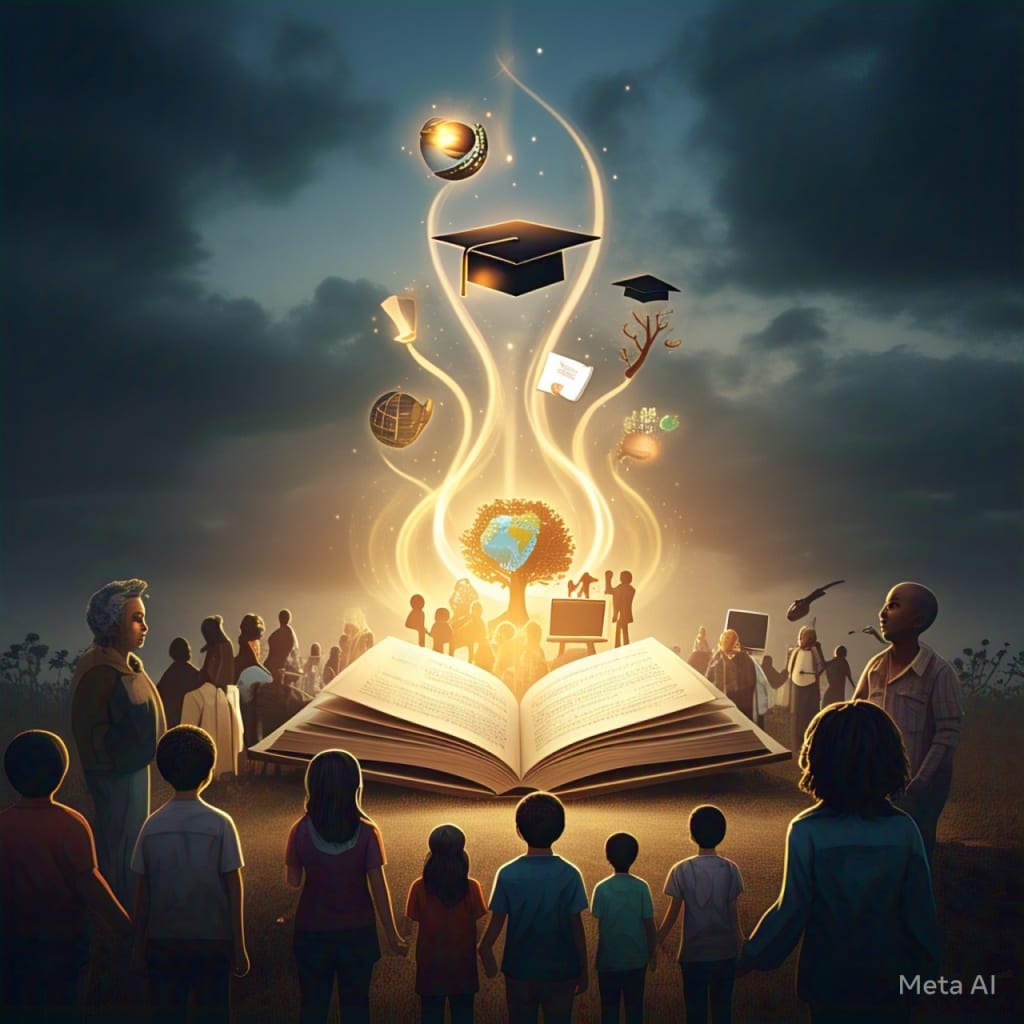
In today's digital age, vocal media—encompassing radio, podcasts, voice-over content, YouTube channels, and social audio platforms—has emerged as a powerful tool for information, entertainment, and influence. With the rise of platforms like Spotify, Clubhouse, and YouTube, anyone with a voice can reach thousands, even millions, of listeners. However, with great reach comes great responsibility. This is where education steps in as a critical factor for anyone involved in vocal media. The Role of Education in Shaping Credible Content Education equips individuals with the knowledge and critical thinking skills necessary to produce credible and accurate content. In an environment where misinformation can spread rapidly, especially through spoken word, a well-educated media personality is more likely to verify facts, question sources, and present balanced views. Whether it’s a podcast discussing current affairs or a YouTube channel reviewing historical events, an educated content creator is better positioned to deliver information that is both accurate and insightful. An informed speaker also gains credibility among their audience. Listeners are more likely to trust and follow individuals who demonstrate a clear understanding of the topics they discuss. This trust is essential not just for building a loyal audience, but also for encouraging meaningful public discourse. Enhancing Communication Skills Through Education Vocal media relies heavily on how effectively ideas are communicated. A strong educational foundation enhances one’s ability to articulate thoughts clearly, structure arguments logically, and engage the audience with confidence. Education in language, literature, public speaking, or even psychology can greatly improve a person's delivery, tone, and audience engagement. For example, someone with a background in communication studies or media literacy can better understand how to tailor messages for different audiences, handle sensitive topics with care, and manage the ethical responsibilities of being a public voice. Fostering Creativity and Innovation While technical know-how and equipment are vital for producing vocal media, creativity remains the heart of compelling content. Education fosters creativity by exposing individuals to a variety of perspectives, disciplines, and experiences. Learning about history, cultures, sciences, and the arts provides a rich tapestry of ideas and inspiration for content creation. Educational experiences also teach problem-solving, encouraging creators to think outside the box and approach topics in unique ways. This is especially useful in a saturated media landscape where originality sets successful creators apart. Promoting Ethical Responsibility The influence of vocal media is immense. Words spoken through a mic can inspire, motivate, or even mislead. Education, particularly in areas like media ethics and social responsibility, instills a sense of duty in creators to use their voice wisely. An educated creator is more likely to consider the social impact of their content, avoid harmful stereotypes, and promote inclusivity. Furthermore, knowledge of media law and digital rights helps content creators navigate copyright issues, avoid defamation, and protect their intellectual property—issues that many self-taught creators often struggle with. Bridging the Gap Between Technology and Content The rapid advancement of technology has transformed the way vocal media is produced and consumed. From sound editing software to artificial intelligence voice assistants, today’s creators need more than just a good voice—they need to understand the tools of their trade. Education in digital media, audio engineering, and information technology can empower creators to produce high-quality content that stands out. It also allows them to adapt quickly to changes in media trends, platform algorithms, and audience behaviors, giving them a competitive edge in an ever-evolving field. A Pathway to Professional Growth Finally, education opens doors to career opportunities within and beyond vocal media. Whether aiming to become a professional journalist, voice actor, radio host, or communications expert, having a solid academic background enhances one’s chances of career advancement. It also offers networking opportunities, mentorship, and access to resources that can shape a creator's professional journey. --- Conclusion The necessity of education for vocal media cannot be overstated. While talent and passion are important, they must be supported by knowledge, ethics, and effective communication skills. Education transforms a voice into a powerful instrument of change, creativity, and connection. As vocal media continues to evolve and influence society, investing in education becomes not just a personal benefit—but a public responsibility.
About the Creator
Professor Hamid Khan
Start Discover compelling stories, thoughtful insights, and creative perspectives.
From captivating fiction to real-life reflections, my articles are crafted to inform, inspire, and entertain.
Enjoyed the story? Support the Creator.
Subscribe for free to receive all their stories in your feed.
Comments
There are no comments for this story
Be the first to respond and start the conversation.