
The Power of Immersive Learning: Enhancing Employee Skills Through Simulations
Simulation-based training
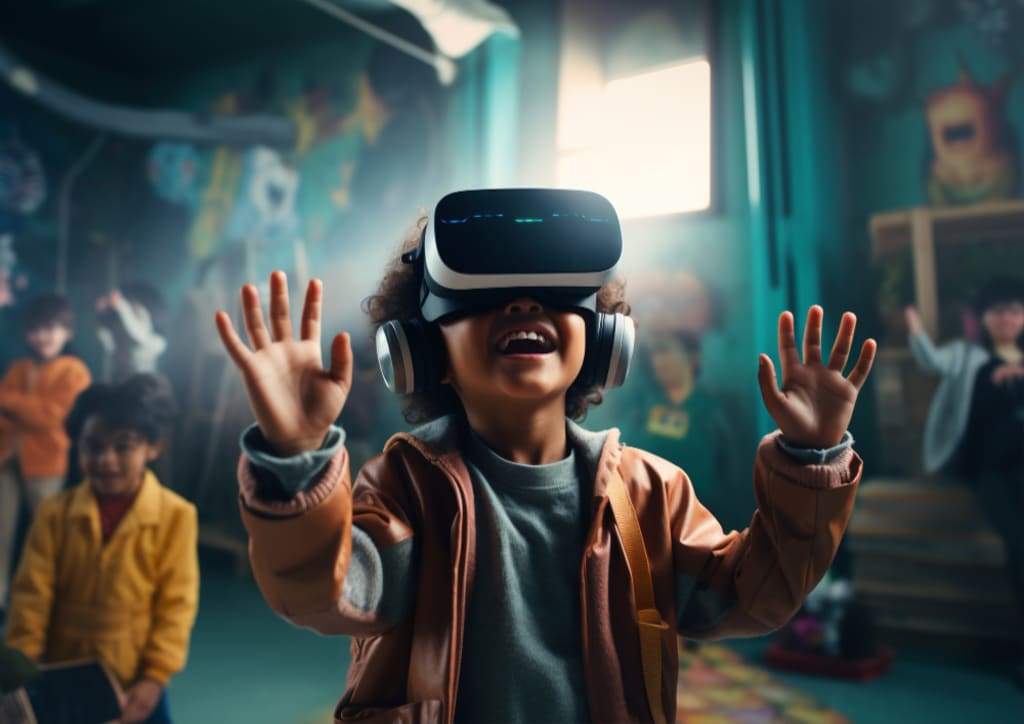
In today’s fast-paced, technology-driven world, organizations need to ensure their employees are prepared for a rapidly changing work environment. Traditional training methods often struggle to keep up with these needs, which is why simulation-based training is becoming an essential part of workforce development. This immersive form of learning allows employees to engage in real-world scenarios, equipping them with the skills and experience they need to thrive in their roles.
In this article, we explore how simulation-based training is reshaping employee development, its key benefits, applications across industries, and the technologies that make it all possible.
What is Simulation-Based Training?
Simulation-based training leverages virtual reality (VR), augmented reality (AR), and artificial intelligence (AI) to create immersive, interactive environments where employees can practice tasks, solve problems, and make decisions. These technologies simulate real-world challenges without the associated risks or consequences, enabling learners to experiment, fail, and improve in a safe space.
Unlike traditional classroom training, which is largely theoretical, simulation-based training focuses on practical, hands-on learning. Employees gain firsthand experience, developing the critical skills they need for their specific roles.
Why Simulation-Based Training is Effective
Real-World Application
By replicating actual work situations, simulation-based training allows employees to practice and refine skills in a realistic setting. Whether handling customer complaints or navigating an emergency, learners gain the experience they need to perform confidently in real-world situations.
Safe Learning Environment
One of the major benefits of simulation-based training is the opportunity to learn from mistakes without facing the consequences. In industries like healthcare, aviation, and manufacturing, this can be crucial in helping employees build confidence without jeopardizing safety or operations.
Increased Engagement and Retention
Studies show that interactive learning experiences increase engagement and improve knowledge retention. Simulation-based training is more engaging than traditional methods, capturing the learner’s attention and encouraging them to retain information more effectively.
Instant Feedback
Many simulation platforms offer real-time feedback, helping learners understand their mistakes and correct them immediately. This ability to adjust and improve on the spot accelerates the learning process and deepens understanding.
Scalable and Customizable
Simulation-based training can be tailored to suit different industries, job roles, and learning objectives. This makes it easy to scale across different teams or departments, ensuring consistent training experiences throughout the organization.
Industry Applications of Simulation-Based Training
Healthcare
- Medical simulations allow doctors, nurses, and medical students to practice surgeries, patient care, and emergency procedures in a virtual setting.
- Emergency simulations help healthcare professionals prepare for critical situations, ensuring they’re ready to respond swiftly and accurately in real-life emergencies.
Aviation
- Flight simulators provide pilots with a safe environment to practice emergency procedures, manage critical systems, and deal with unpredictable weather conditions, all without the danger associated with real-life flying.
Manufacturing
- Workers can practice operating heavy machinery and follow safety protocols in virtual environments, reducing the risk of accidents and improving overall safety and efficiency.
Retail and Customer Service
- Customer service simulations provide employees with a safe space to practice handling difficult customer interactions, enhancing communication skills and emotional intelligence in challenging situations.
Leadership Development
- Management simulations immerse leaders in decision-making scenarios where they must navigate complex team dynamics, resolve conflicts, and make strategic decisions under pressure.
Compliance and Ethics
- Compliance simulations enable employees to engage with potential legal or ethical dilemmas, helping them develop a deeper understanding of industry regulations and company policies.
Technologies Powering Simulation-Based Training
Virtual Reality (VR)
- VR creates fully immersive environments where users can interact with the simulation through headsets and controllers. This allows for highly interactive and realistic training experiences, particularly useful in high-risk industries like healthcare and aviation.
Augmented Reality (AR)
- AR overlays digital information onto the real-world environment, providing real-time guidance during training. For instance, AR can be used in manufacturing to show workers step-by-step instructions for equipment repair or assembly tasks.
Artificial Intelligence (AI)
- AI personalizes the training experience by adapting scenarios based on an individual’s performance. This allows for tailored learning paths that challenge learners at their current skill level while helping them grow at their own pace.
Gamification
- Many simulations incorporate game-like elements, such as rewards, challenges, and leaderboards, to increase motivation and engagement. This makes the training process more enjoyable and encourages learners to strive for continuous improvement.
Benefits of Simulation-Based Training for Organizations
Faster Skill Acquisition
- Employees can gain practical experience much faster than through traditional methods, which leads to quicker onboarding and less time spent in formal training sessions.
Improved Performance
- The hands-on nature of simulation-based training leads to better retention and application of skills, ultimately improving employee performance in their everyday roles.
Cost-Effective Over Time
- Although initial investment in technology may be high, simulation-based training reduces costs in the long run by cutting down on travel expenses, in-person training requirements, and errors in the workplace.
Employee Engagement and Satisfaction
- Interactive, engaging training experiences increase learner motivation and satisfaction. Employees are more likely to feel invested in their development when they see tangible benefits from the training.
Reduced Training Risks
- Simulation-based training eliminates the risk of accidents, mistakes, and poor performance during real-life operations, especially in high-risk sectors like healthcare, aviation, and manufacturing.
Challenges and Solutions
High Initial Costs
Solution: Start with pilot programs to demonstrate the effectiveness of simulation-based training in key areas, showing tangible results before committing to a larger-scale implementation.
Technological Barriers
Solution: Invest in user-friendly platforms and provide training for employees on how to use the new technology. Partnering with experienced training providers can also streamline the process.
Content Development and Customization
Solution: Work with professional eLearning developers to create tailored content that fits the specific needs of your organization. This ensures that simulations are relevant and effective in addressing industry-specific challenges.
The Future of Simulation-Based Training
The future of simulation-based training looks promising. With advancements in AI, VR, and AR, the technology will become even more immersive, adaptable, and accessible. Innovations like wearables and AI-driven adaptive learning will make simulations even more personalized and realistic.
Organizations that adopt simulation-based training will be better equipped to handle the evolving demands of the workplace, fostering a more skilled and adaptable workforce.
Conclusion
Simulation-based training is changing the way organizations approach employee development. By providing immersive, interactive experiences, this method equips employees with the practical skills they need to excel in their roles. With its numerous benefits, from increased engagement to improved performance, simulation-based training is a vital tool for companies looking to stay competitive and innovative in today’s fast-moving business environment.
If your organization is looking to improve training effectiveness and employee performance, now is the time to explore the potential of simulation-based training. The future of employee development is immersive, and it’s already here.
About the Creator
Enjoyed the story? Support the Creator.
Subscribe for free to receive all their stories in your feed.
Comments
There are no comments for this story
Be the first to respond and start the conversation.