
The PM and the ‘Shadow’: How Manmohan Singh and Sonia Gandhi Manufactured an Organization That Endured
The organization between Dr. Manmohan Singh, India's thirteenth Top state leader, and Sonia Gandhi, the leader of the Indian Public Congress during his residency, is a characterizing part in India's political history. Their relationship, frequently depicted as that of a State leader and his "shadow," epitomizes an exceptional political joint effort that flourished with common regard, philosophical arrangement, and a common vision for the country.
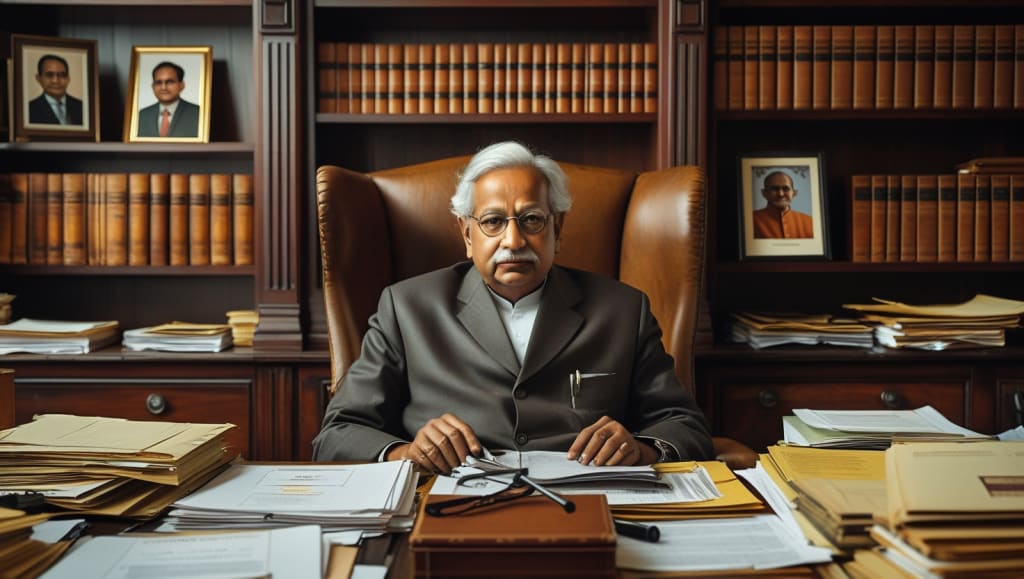
The PM and the 'Shadow': How Manmohan Singh and Sonia Gandhi Manufactured an Organization That Endured
The organization between Dr. Manmohan Singh, India's thirteenth Top state leader, and Sonia Gandhi, the leader of the Indian Public Congress during his residency, is a characterizing part in India's political history. Their relationship, frequently depicted as that of a State leader and his "shadow," epitomizes an exceptional political joint effort that flourished with common regard, philosophical arrangement, and a common vision for the country. This article investigates how this organization became, how it worked, and its getting through influence on Indian governmental issues.
---
The Beginning of the Partnership
At the point when the Congress-drove Joined Moderate Partnership (UPA) arose triumphant in the 2004 general decisions, the Indian political scene was overflowing with hypothesis about who might take the Head of the state's seat. Sonia Gandhi, the normal beneficiary of the Congress inheritance, shocked everybody by declining the position. Her choice was credited to individual decision and the political commotion over her unfamiliar beginning. This move re-imagined her political picture as well as made way for quite possibly of the most captivating organization in Indian governmental issues.
Dr. Manmohan Singh, a financial expert of worldwide notoriety and the engineer of India's 1991 monetary changes, was picked as the Head of the state. While Sonia Gandhi stayed the leader of the Congress party and executive of the UPA, Singh turned into the essence of administration. This strange game plan permitted them to complete one another qualities: Sonia gave the political heave and Singh the technocratic mastery.
---
A Relationship Based on Trust
Key to the outcome of this association was the profound trust among Singh and Gandhi. Sonia's choice to give up the reins of administration to Singh flagged her confidence in his respectability and capacity. Not at all like customary party pioneers who could constantly hover over, Sonia ceased from meddling in the everyday working of Singh's administration.
Singh, thusly, showed enduring devotion to Sonia. Notwithstanding reactions that he was a "feeble" Top state leader who conceded to her on basic matters, Singh kept an honorable position. He openly recognized her job as the UPA administrator and reliably adjusted his choices to the Congress party's philosophical structure.
Their organization exemplified an interesting concordance between the political and managerial wings of administration. While Sonia focused on mobilizing the party and tending to the requirements of the Congress' vote bank, Singh zeroed in on carrying out strategies and guiding India's monetary and international strategy plan.
---
Administration and Political Challenges
The Singh-Sonia organization confronted huge difficulties during their very long term rule (2004-2014). The UPA government sent off groundbreaking social government assistance plans, for example, the Mahatma Gandhi Public Provincial Business Assurance Act (MGNREGA), the Right to Instruction (RTE) Act, and the Public Country Wellbeing Mission. These drives were generally credited to Sonia Gandhi's push for comprehensive advancement through the Public Warning Gathering (NAC).
Singh, then again, centered around changing the economy, cultivating unfamiliar relations, and getting the milestone India-US common atomic arrangement. The atomic arrangement, nonetheless, brought their organization under extreme investigation. Resistance groups blamed Sonia for maneuvering Singh toward taking a chance with his administration for the understanding. Notwithstanding this, Sonia remained by Singh, permitting him to seek after what he accepted was to India's greatest advantage.
The alliance idea of the UPA government introduced another test. Adjusting the requests of coalition accomplices while guaranteeing viable administration required fragile moving. Sonia's political sharpness assumed a critical part in overseeing alliance elements, while Singh's non-fierce methodology guaranteed dependability.
---
Analysis and Controversies
The organization was not without its portion of analysis. Political rivals frequently marked Singh as a manikin State leader, claiming that genuine power lay with Sonia Gandhi. This discernment was exacerbated by the double power structure, with Singh heading the public authority and Sonia administering the party and strategy needs.
The later long periods of UPA-II were defaced by defilement outrages, including the 2G range portion and the Region Games tricks. These discussions imprinted the validity of both Singh's administration and Sonia's party. The absence of a hearty correspondence procedure to counter claims additionally developed the emergency.
Singh's quietness during crucial points in time, for example, the Anna Hazare-drove hostile to debasement development, was viewed as an indication of shortcoming. Pundits contended that Sonia's hesitance to take a more noticeable stand during these emergencies enlarged the distinction between the public authority and the general population.
---
Qualities That Endured
Notwithstanding these difficulties, the Singh-Sonia organization stayed versatile. Their common regard guaranteed that distinctions, if any, were settled away from public scrutiny. Sonia's capacity to protect Singh from party compels and Singh's obligation to carrying out Congress' vision exemplified their integral jobs.
Their joint effort likewise highlighted the significance of designating expert in a popularity based arrangement. While Sonia held the Congress party's customary vote bank and tended to grassroots worries, Singh dealt with raising India's worldwide height.
---
Tradition of the Partnership
The Singh-Sonia association made a permanent imprint on Indian legislative issues. Their ten years in power saw India arise as perhaps of the quickest developing economy, with huge advancement in foundation, medical care, and training. The Right to Data (RTI) Act, one more achievement of their residency, enabled residents and upgraded straightforwardness.
Notwithstanding, their inheritance is likewise a story of botched open doors. The inability to address defilement charges conclusively and the powerlessness to really counter the story of a frail Top state leader eclipsed their accomplishments.
Post-2014, the organization turned into a reference point for differentiating initiative styles. While the BJP-drove NDA featured the supposed failures of the Singh-Sonia model, Congress followers saw it as an image of adjusted administration.
---
Conclusion
The association between Manmohan Singh and Sonia Gandhi was an examination in political joint effort that reclassified India's popularity based system. Their capacity to explore a complex political scene, carry out extraordinary strategies, and support an alliance government for 10 years is a demonstration of their reciprocal assets.
While their residency had its portion of debates and reactions, it additionally highlighted the worth of trust, regard, and shared vision in administration. As India keeps on developing strategically, the Singh-Sonia organization stays a huge part in figuring out the elements of force, initiative, and joint effort in a majority rule government.
About the Creator
Enjoyed the story? Support the Creator.
Subscribe for free to receive all their stories in your feed.
Comments
There are no comments for this story
Be the first to respond and start the conversation.