
The physiological adaptations that allow deep-diving marine mammals to hold their breath for extended periods of time
Physiological adaptations
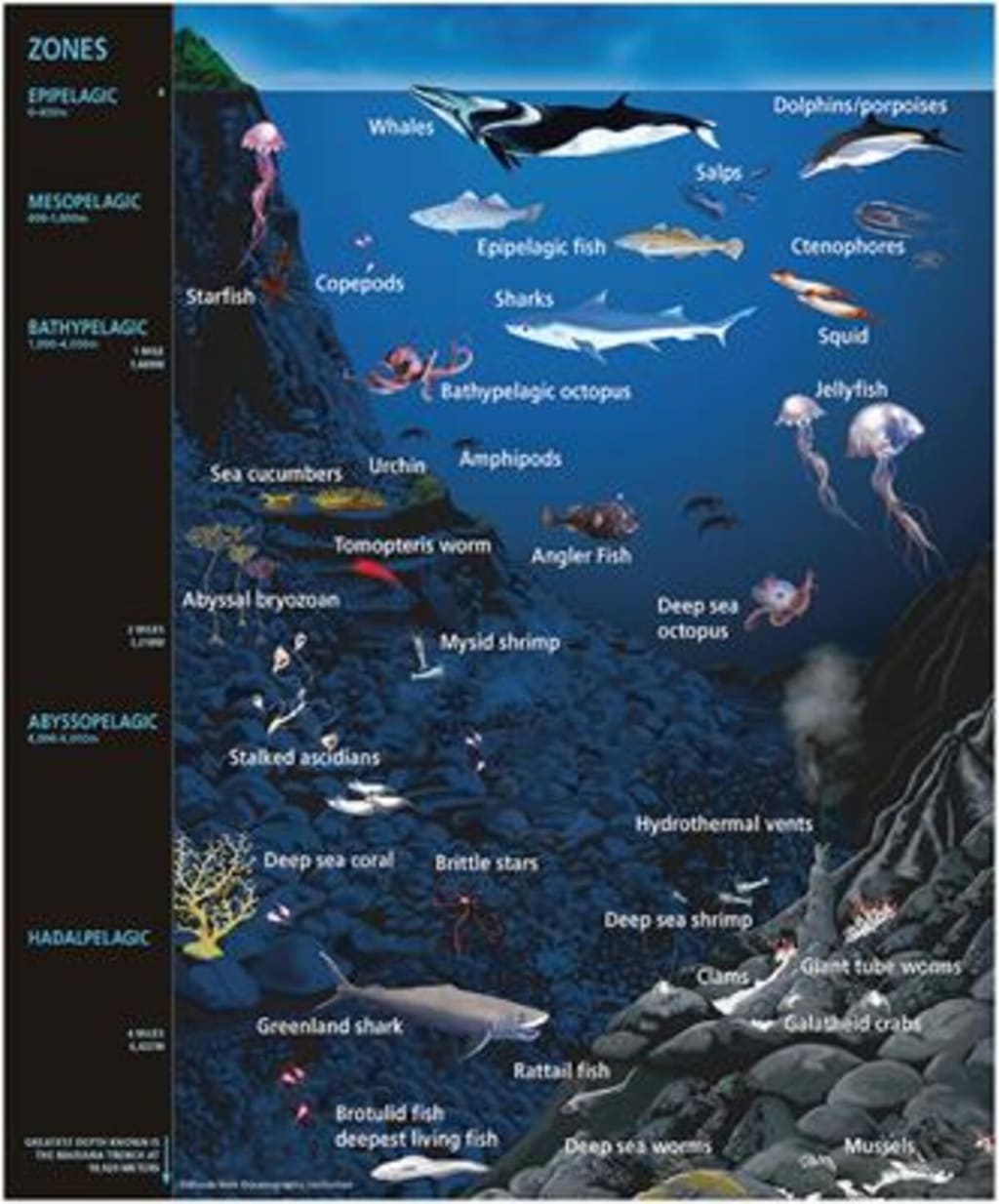
Marine mammals, such as whales, dolphins, and seals, are known for their deep diving abilities. These animals can hold their breath for several minutes, allowing them to dive to depths that can exceed 1,000 feet (305 meters). This is a remarkable feat, given that humans can only hold their breath for a few minutes without experiencing serious consequences. To achieve such remarkable diving abilities, marine mammals have evolved several physiological adaptations that allow them to survive underwater for extended periods of time.
The first adaptation is the size of the lungs. Marine mammals have large lungs relative to their body size, which allows them to store more oxygen. In addition, their lungs are more elastic than those of terrestrial mammals, which helps to prevent damage to the lungs during deep dives. The elasticity of their lungs also allows them to compress and collapse as they dive deeper, reducing the volume of air that needs to be expelled and conserving oxygen.
Another adaptation is the increased oxygen-carrying capacity of their blood. Marine mammals have an increased amount of haemoglobin in their blood, which is the protein that carries oxygen. This allows them to store more oxygen in their bloodstream, which in turn allows them to hold their breath for longer periods of time.
The third adaptation is the way that marine mammals regulate their heart rate. During a dive, their heart rate slows down, which reduces the amount of oxygen that is used by the body. This reduction in heart rate also helps to conserve oxygen, allowing the animal to hold its breath for longer periods of time.
Marine mammals also have a unique ability to reduce blood flow to certain parts of their body during a dive. This helps to conserve oxygen and reduce the amount of energy that the animal needs to expend. For example, during a dive, blood flow to the extremities is reduced, while blood flow to the brain and heart is maintained. This allows the animal to continue to function normally, even though it is not getting a constant supply of oxygen.
In addition to these physiological adaptations, marine mammals also have specialised muscles that allow them to control their buoyancy. These muscles are located in the animal's blubber, which is the layer of fat that lies beneath its skin. The blubber helps to provide insulation, which is important for keeping the animal warm in cold water. But it also helps to control the animal's buoyancy, allowing it to descend and ascend at will.
Finally, marine mammals have specialised nerves that are responsible for sensing pressure changes during a dive. These nerves help the animal to know when it is time to return to the surface to take a breath. They also help the animal to know how deep it is, which is important for avoiding decompression sickness.
In conclusion, marine mammals have evolved several physiological adaptations that allow them to hold their breath for extended periods of time and to dive to great depths. These adaptations include the size of the lungs, the increased oxygen-carrying capacity of the blood, the regulation of heart rate, the reduction of blood flow to certain parts of the body, the specialised muscles for controlling buoyancy, and the specialized nerves for sensing pressure changes. These adaptations have allowed marine mammals to become some of the most efficient deep divers in the animal kingdom. Further research into these adaptations may lead to a better understanding of the physiology of marine mammals and could have important implications for the study of human physiology and the treatment of certain respiratory conditions.
About the Creator
Wildlife Topics and Articles
I have spent countless hours exploring the wild and observing the incredible diversity of species that call it home.
My goal is to share this knowledge and inspire others to appreciate the beauty and significance of the natural world.
Enjoyed the story? Support the Creator.
Subscribe for free to receive all their stories in your feed.
Comments
There are no comments for this story
Be the first to respond and start the conversation.