
The Path From Poker Hobbyist to Full-Time Player
Poker Hobbyist to Full-Time Player

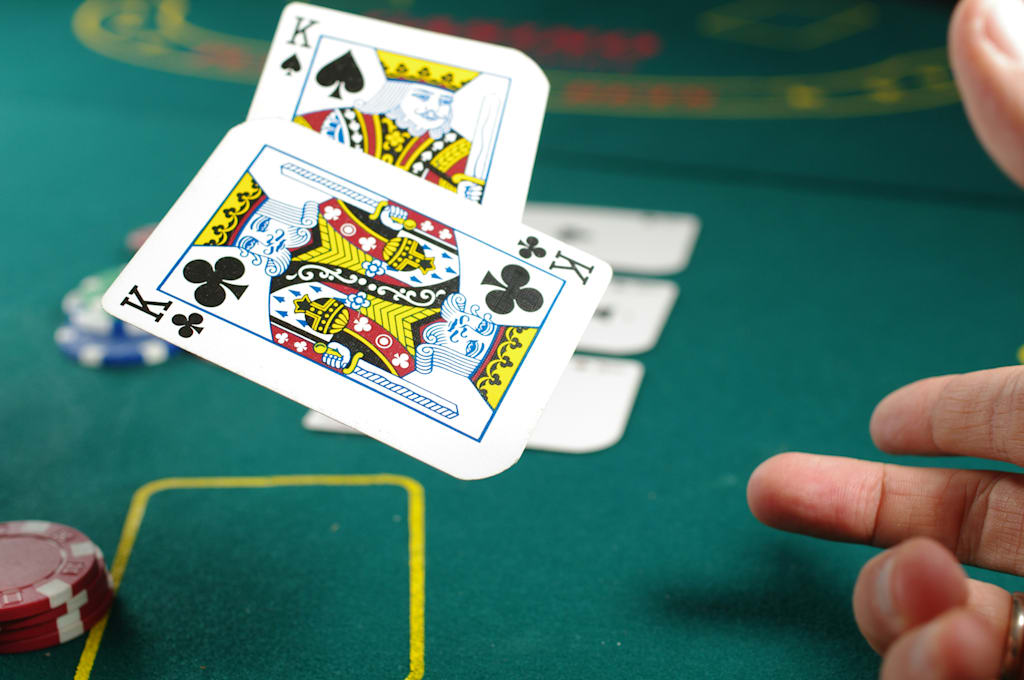
Many people enjoy poker for fun, but only a small number are prepared to treat it like a profession. A professional poker player does not depend on luck, excitement, or guesswork. They build skill over time, manage risk carefully, and make decisions with discipline. The journey can be rewarding, but it requires patience, honesty, and a serious plan.
Becoming a full-time player is not about one big win. It is about creating habits that can survive pressure, losing streaks, and constant competition.
The first step is understanding poker at a deeper level. Knowing hand rankings and basic rules is only the beginning. A future professional must learn how position affects decisions, why bet sizing matters, how pot odds work, and how different stack sizes change strategy.
Strong players also think in terms of ranges rather than single hands. Rather than guessing one exact holding, they consider all the hands an opponent could reasonably have. This approach creates better decisions and reduces emotional guessing.
The more you understand the structure of the game, the less you rely on hope.
Starting at lower stakes is one of the smartest choices a developing player can make. It gives you room to practice without risking too much money. At this stage, the goal is not to get rich quickly. The goal is to build skill, confidence, and consistency.
Low-stakes games teach important lessons about patience, discipline, and common opponent mistakes. You can test strategies, review results, and learn how you react under pressure.
Rushing into higher stakes too soon can be costly. A professional mindset respects the learning curve.
Many beginners believe playing more hands is the fastest way to improve. Practice matters, but study is what turns experience into growth. Without review, players often repeat the same mistakes without noticing them.
A serious player should study hand histories, watch training material, read strategy content, and discuss difficult hands with better players. Focused study helps you understand why certain plays work.
It is also important to study spots that felt easy. Sometimes a winning hand was played poorly, and sometimes a losing hand was played well. An honest review teaches you to distinguish between good decisions and lucky results.
Poker offers several career paths, and each one requires a different approach. Cash games allow players to sit in and leave more freely, making them attractive for steady schedules. Tournaments offer the chance at large payouts, but they come with bigger swings and longer hours.
Online poker provides fast volume and many learning opportunities. Live poker moves slower, but it allows players to observe body language, table talk, and emotional patterns. Neither path is automatically better. The best choice depends on your strengths, schedule, and bankroll.
Choosing a main format helps you study with purpose and track progress more clearly.
Bankroll management is essential for anyone who wants to play professionally. Your bankroll should be money set aside only for poker. It should not include personal savings, emergency funds, rent money, or money needed for daily life.
Poker has natural ups and downs. Even winning players face losing stretches. A proper bankroll gives you enough room to survive those swings without making desperate decisions.
A smart player sets clear rules for moving up and moving down in stakes. Moving down is not a failure. It is protection. Staying in the game matters more than protecting your ego.
Poker can be emotionally exhausting. You may lose with the best hand, get bluffed, make mistakes, or watch weaker players win big pots. If you cannot control your emotions, technical skills will not be enough.
Mental training means learning how to handle frustration, fear, boredom, and pride. Tilt is one of the biggest dangers. When emotions take over, players start chasing losses or making reckless plays.
To prevent this, build habits that keep you calm. Take breaks, set stop-loss limits, review hands after cooling down, and avoid playing when tired or angry. A professional protects their mindset as carefully as their bankroll.
If you want to make poker a career, you need accurate records. Track your wins, losses, hours played, game type, stakes, and notes about your mental state. This information shows the truth about your progress.
Many players overestimate their success because they remember big wins more clearly than steady losses. Records remove guesswork. They show whether you are actually profitable over time.
Tracking also helps you spot patterns. You may learn that you play better at certain times, struggle against aggressive opponents, or lose focus during long sessions. These insights guide improvement.
Poker can feel lonely, especially when results are hard to come by. Having a support system helps you stay grounded. This can include study partners, coaches, poker communities, or trusted friends who understand your goals.
Other players can offer feedback, challenge your thinking, and help you see mistakes you missed. A coach can accelerate improvement by providing structured guidance. However, choose advice carefully. Not every confident player is a good teacher.
A strong network helps you grow faster and avoid feeling isolated during downswings.
Before becoming a full-time poker player, test the lifestyle. Try playing on a serious schedule while still keeping another source of income. Track your results for several months. Notice how you handle pressure, routine, and variance.
You should also have savings outside your poker bankroll. Professional poker income can be uneven, so financial security matters. The goal is to transition from a position of strength, not desperation.
Do not rush the decision. Poker will still be there when you are ready.
Reaching professional status is not the finish line. The game keeps changing, and opponents continue learning. A successful player must keep studying, adapting, and reviewing results.
The path from hobbyist to full-time player requires discipline in every area. You need a strong strategy, a protected bankroll, emotional control, and honest self-review. With patience and structure, poker can become more than entertainment. It can become a serious profession built on skill, resilience, and smart long-term decisions.
About the Creator
Micah Raskin Poker
Micah Raskin Poker, a resident of New York, NY, has made significant strides as a semi-professional poker player and philanthropist. He began his poker career in 2007 and quickly rose to prominence by winning several high-profile events.
Enjoyed the story? Support the Creator.
Subscribe for free to receive all their stories in your feed.
Comments