
The part of Biotechnology in Combating Climate Change
Climate change, driven by hothouse gas emigrations and environmental declination, is one of the most burning global challenges of our time. As the world seeks innovative results to reduce its carbon footmark and alleviate environmental impacts, biotechnology is arising as a critical tool in this fight. using natural systems, organisms, and processes, biotechnology offers slice- edge results for sustainable husbandry, clean energy product, and environmental restoration. This composition explores the transformative part of biotechnology in combating climate change and its implicit to shape a further sustainable future.

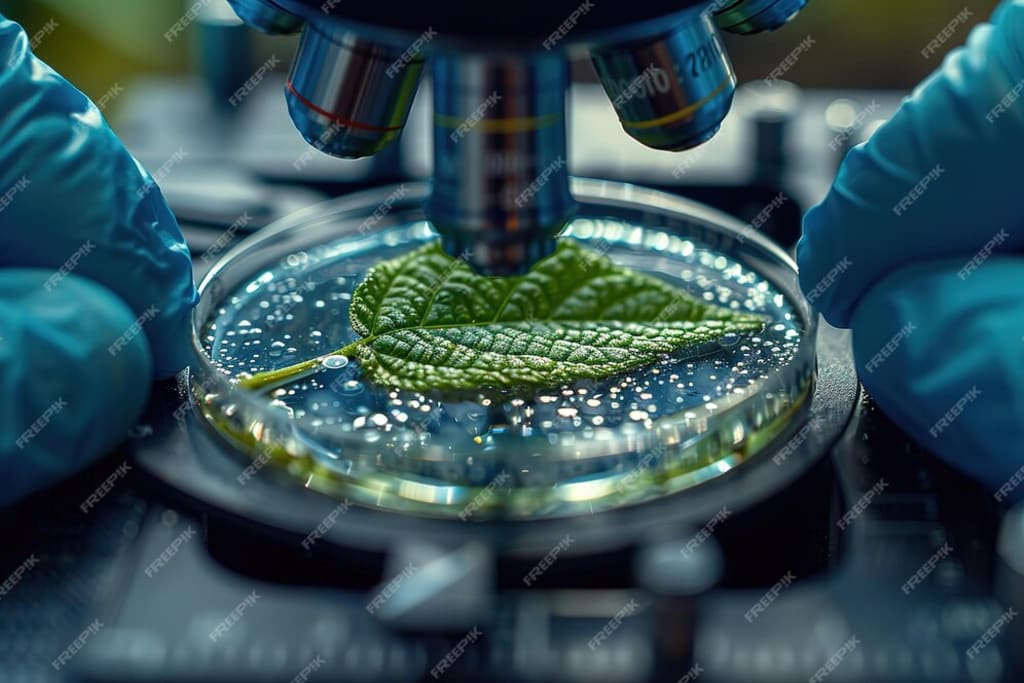
Understanding Biotechnology and Its Applications
Biotechnology refers to the use of living organisms or their components to develop products and technologies that address human needs. In the context of climate change, biotechnology plays a vital role in three primary areas:
Reducing Greenhouse Gas Emissions: Through the development of biofuels and carbon capture technologies, biotechnology offers solutions to reduce the carbon emissions that contribute to global warming.
Sustainable Agriculture: Biotechnology helps create resilient crops, improve soil health, and reduce the environmental impact of farming practices.
Environmental Restoration: Using bioremediation and genetic engineering, biotechnology can restore ecosystems, sequester carbon, and remove pollutants from the environment.
These applications not only address the causes of climate change but also offer methods to adapt to its inevitable impacts.
1. Biotechnology in Clean Energy: Reducing Carbon Emissions
One of the most critical fronts in the battle against climate change is the reduction of greenhouse gas emissions, particularly carbon dioxide (CO₂). Biotechnology has the potential to revolutionize energy production by offering alternatives to fossil fuels, which are responsible for the majority of global carbon emissions.
Biofuels: A Sustainable Energy Alternative
Biofuels, produced from organic materials such as plants, algae, and agricultural waste, are renewable alternatives to conventional fossil fuels. The most common biofuels are bioethanol, derived from the fermentation of sugars in crops like corn and sugarcane, and biodiesel, produced from vegetable oils or animal fats.
- Advanced Biofuels: Researchers are now developing second-generation biofuels, which use non-food-based feedstocks like agricultural residues or fast-growing algae. These biofuels have a smaller carbon footprint and don’t compete with food crops for land, making them more sustainable than traditional biofuels.
- Algae-based Biofuels: Algae is particularly promising because it can grow in various environments, including wastewater, and can produce large amounts of biomass in a short period. It also absorbs CO₂ during growth, making it a potential tool for carbon sequestration in addition to providing clean energy.
Biofuels offer a direct way to reduce the carbon emissions from transportation and industrial sectors, which are significant contributors to global warming.
Carbon Capture and Storage (CCS)
Biotechnology also plays a role in carbon capture and storage (CCS)—a technology designed to capture CO₂ emissions from industrial processes and store them underground or use them in products. Biotechnological advances are enhancing the efficiency of these processes through the development of microbial systems and bioengineered plants that can capture and store carbon more effectively.
- Synthetic Biology: Synthetic biology is advancing the development of microorganisms that can convert CO₂ into useful products, such as bio-based chemicals or biodegradable plastics, reducing reliance on fossil fuels and helping close the carbon loop.
2. Sustainable Agriculture: Feeding the World in a Changing Climate
Agriculture is a significant source of methane and nitrous oxide, potent greenhouse gases, as well as a driver of deforestation and land-use change. Biotechnology is addressing these challenges by improving agricultural efficiency, reducing emissions, and enhancing the resilience of crops to climate-related stresses.
Genetically Modified Crops (GMOs) and Climate-Resilient Agriculture
Climate change is making farming more difficult, with extreme weather events such as droughts, floods, and temperature fluctuations threatening food security worldwide. Biotechnology offers solutions through the development of genetically modified organisms (GMOs) that are more resilient to these conditions.
Drought-Resistant Crops: Scientists are engineering crops that require less water, enabling them to thrive in arid conditions and reducing the need for irrigation, which is often a significant source of water consumption in agriculture.
Pest-Resistant Crops: Climate change is leading to the proliferation of pests and diseases in new regions. GMOs that are resistant to pests can reduce the need for chemical pesticides, which contribute to soil and water pollution and have a high carbon footprint.
Nutrient-Efficient Crops: Biotechnology is being used to create crops that can grow in nutrient-poor soils, reducing the need for synthetic fertilizers, which are a major source of nitrous oxide emissions.
These biotechnological advances not only help reduce the environmental impact of agriculture but also contribute to global food security in the face of climate-induced disruptions.
Precision Agriculture and Soil Health
Another important biotechnological advancement is precision agriculture, which uses data-driven technologies and biotech tools to optimize farming practices and reduce resource use. Sensors, drones, and AI-driven models help farmers apply water, fertilizers, and pesticides more efficiently, reducing waste and minimizing environmental impact.
Biological Fertilizers: Biotechnology is helping to develop bio-based fertilizers, such as microbial inoculants, which improve soil fertility by enhancing the activity of beneficial bacteria and fungi. These biological fertilizers are less harmful to the environment than synthetic fertilizers and help improve soil health, which plays a critical role in carbon sequestration.
Soil Carbon Sequestration: Healthy soils act as carbon sinks, trapping CO₂ and reducing atmospheric greenhouse gases. Biotechnology supports this process by engineering crops and microbes that enhance the soil's ability to capture and store carbon over long periods.
3. Environmental Restoration: Biotechnology for Ecosystem Recovery
In addition to reducing emissions and enhancing sustainability, biotechnology is a powerful tool for restoring damaged ecosystems and enhancing natural carbon sinks. From bioremediation to afforestation, biotechnology is helping to heal the planet and sequester carbon in innovative ways.
Bioremediation: Cleaning Up Pollutants
Bioremediation uses microorganisms, plants, or enzymes to remove or neutralize pollutants in the environment. This process can be used to clean up oil spills, heavy metals, and other toxic pollutants that contribute to environmental degradation and climate change.
Microbial Bioremediation: Engineered microbes can break down pollutants in contaminated soils and water, restoring ecosystems and reducing greenhouse gas emissions that result from industrial activities.
Phytoremediation: Certain plants can absorb and store pollutants from the soil and water. These plants not only remove harmful substances but also help restore soil fertility, allowing ecosystems to recover and function as carbon sinks.
Reforestation and Afforestation with Biotech-Enhanced Trees
Forests are critical for carbon sequestration, as they absorb significant amounts of CO₂ from the atmosphere. Biotechnology is contributing to reforestation and afforestation efforts by developing biotech-enhanced trees that grow faster, are more resistant to disease, and have improved carbon storage capacity.
Accelerated Growth: By enhancing the growth rate of trees through genetic modification, biotechnology can help reforest areas more quickly, increasing the amount of carbon sequestered in a shorter time.
Restoring Biodiversity: Biotechnological advancements are being used to restore degraded landscapes by reintroducing native species that have been genetically enhanced to survive in challenging conditions, such as poor soils or polluted environments.
Challenges and Ethical Considerations
While biotechnology offers promising solutions to combat climate change, there are important challenges and ethical concerns that need to be addressed:
- Regulatory Hurdles: Many biotechnological innovations, especially GMOs, face strict regulatory frameworks that can delay their deployment. Balancing safety with the urgency of climate action is crucial.
- Equitable Access: Ensuring that biotechnology solutions are accessible to all, especially developing nations that are most vulnerable to climate change, is a key consideration.
- Environmental Risks: The release of genetically modified organisms into ecosystems must be carefully managed to prevent unintended ecological consequences.
To maximize the benefits of biotechnology in combating climate change, policymakers, scientists, and industry leaders must work together to address these challenges while fostering innovation.
Conclusion
Biotechnology is emerging as a powerful tool in the global effort to combat climate change. From reducing greenhouse gas emissions through biofuels and carbon capture to advancing sustainable agriculture and restoring ecosystems, biotechnology is providing innovative solutions to one of humanity’s greatest challenges.
As the world continues to grapple with the impacts of climate change, the role of biotechnology will become increasingly important. With the right investments in research, development, and regulatory frameworks, biotechnology has the potential to create a more sustainable and resilient future for generations to come.
About the Creator
Enjoyed the story? Support the Creator.
Subscribe for free to receive all their stories in your feed.
Comments
There are no comments for this story
Be the first to respond and start the conversation.