
The Magic of Dinosaur Mazes: How Simple Printables Help Preschoolers Grow (Ages 3-5)
Discover why maze activities with friendly dinosaurs are powerful tools for developing focus, problem-solving, and motor skills in young children.

Article Body:
Every parent knows that magical moment when a child sits quietly, completely absorbed in an activity. No screens, no noise — just pure focus and joy. For many families, including my own, dinosaur-themed mazes have become that perfect go-to activity for children aged 3 to 5.
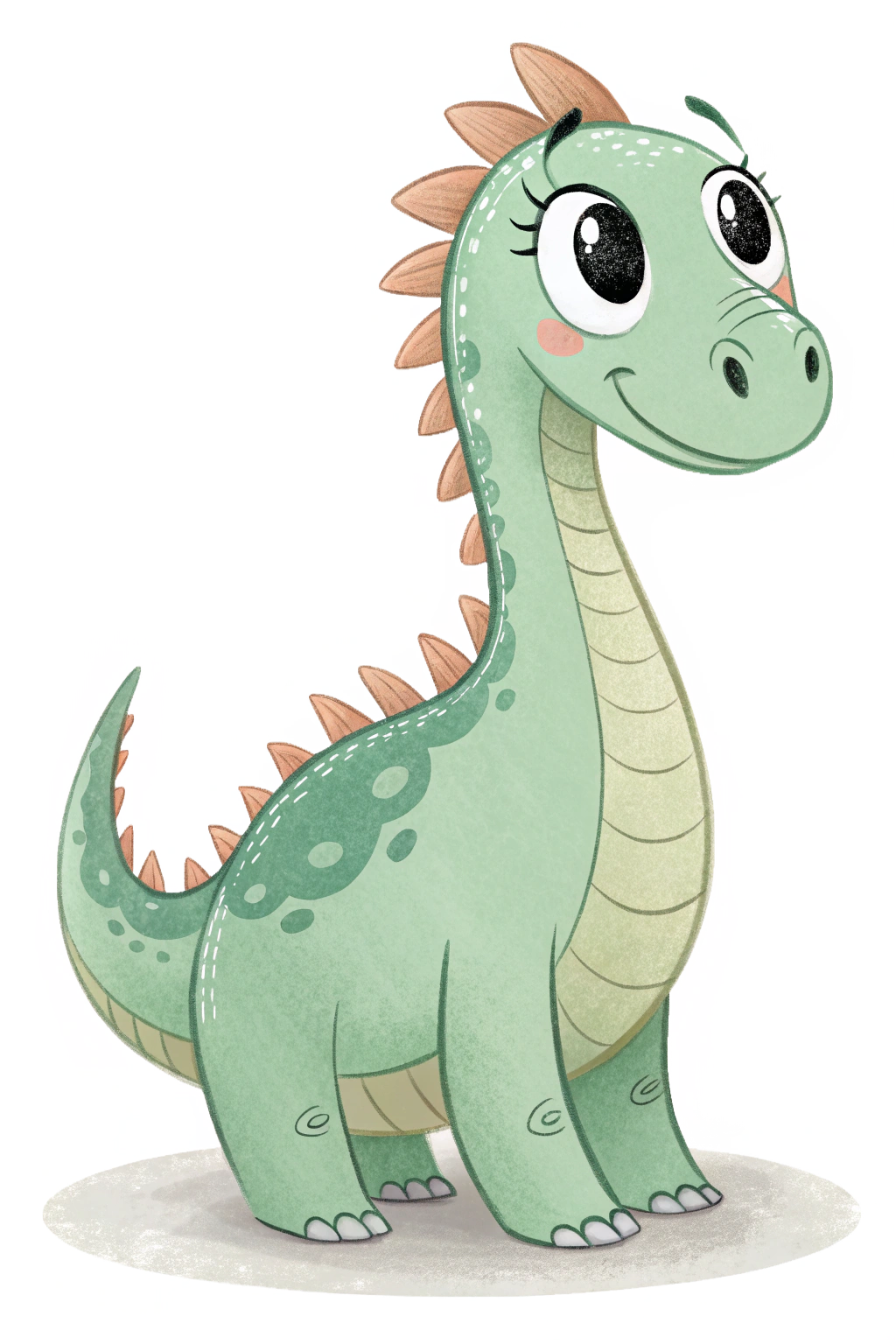
Dinosaurs hold a special place in the hearts of toddlers and preschoolers. The mighty roar of a T-Rex, the long graceful neck of a Brachiosaurus, the three-horned friendly Triceratops, and the flying Pterodactyl — these creatures spark endless imagination and curiosity. That’s exactly why combining them with simple maze challenges creates such an engaging and educational experience.
Why Mazes Are Powerful Brain-Boosting Tools
At first glance, a maze might seem like just a simple drawing game. But in reality, these printable puzzles are fantastic mental workouts that support multiple areas of child development simultaneously.
Developing Fine Motor Skills: When a preschooler grips a crayon or pencil and tries to stay within the lines of the maze, they are strengthening the small muscles in their fingers and hands. This is crucial preparation for writing letters, numbers, and eventually sentences in school. Occupational therapists frequently recommend maze-style activities for building pencil grip and hand-eye coordination.
Enhancing Visual Tracking and Spatial Awareness: Solving a maze requires the child to scan the page carefully, look ahead, plan their route, and judge distances. This practice improves visual tracking skills, which are foundational for reading from left to right, understanding math concepts, and navigating the world around them.
Building Problem-Solving and Patience: Not every path leads straight to the exit. When a child encounters a dead end, they learn to pause, think critically, backtrack, and try a different strategy. This trial-and-error process teaches resilience, logical thinking, and emotional regulation — skills that help them handle everyday challenges with more confidence and calm.
Improving Focus and Concentration: In our fast-paced, screen-dominated world, activities that encourage sustained attention are incredibly valuable. A single maze can keep a child engaged for 15 to 25 minutes, training their brain to stay focused on one task.
I’ve witnessed these benefits firsthand. What begins as a quiet afternoon activity often turns into proud moments of accomplishment and happy conversations about dinosaurs.
Exploring the Dinosaur Maze Collection
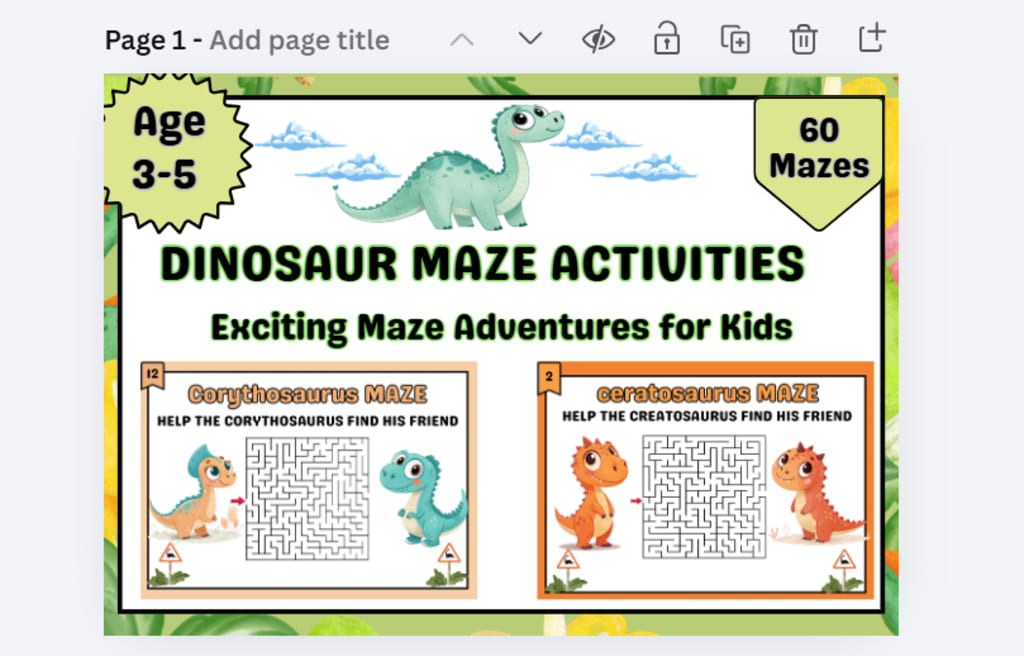
A well-designed set of 60 dinosaur mazes offers variety that keeps things exciting without overwhelming young learners. The pages feature generous spacing, thick easy-to-follow lines, and bright, friendly dinosaur illustrations that appeal to this age group.
Popular characters in the collection include:
The Gentle Triceratops navigating through lush ferns to find its family.
A happy Baby T-Rex searching for prehistoric snacks.
A Flying Pterodactyl finding its way through cloudy skies back to the nest.
The Long-Necked Brachiosaurus reaching for tall, tasty trees.
The pack includes different difficulty levels — starting very simple for beginners and gradually increasing in challenge as the child builds confidence. Each sheet has a clean, distraction-free layout so the focus stays entirely on the fun puzzle.
Creative Ways to Use Dinosaur Mazes at Home or in Class
To maximize the educational value of these activities, here are some practical and fun tips:
Laminate for Reusability: Print the pages and place them in plastic sheet protectors or laminate them. Children can use dry-erase markers to solve the mazes over and over, saving paper and allowing more practice.
Turn Mazes into Storytelling Adventures: While your child works, engage them with questions like “Where do you think this dinosaur is going?” or “What will the T-Rex eat when he reaches the end?” This builds vocabulary, encourages creativity, and strengthens parent-child bonding.
Create a Full Dinosaur Theme Day: Pair the mazes with related activities — reading dinosaur storybooks, watching short educational videos about real prehistoric animals, making simple crafts like paper plate dinosaurs, or even a dinosaur dance party.
Track Progress and Celebrate Effort: Make a fun “Dinosaur Maze Mastery Chart.” Praise the process and effort rather than perfection. This boosts self-esteem and motivates children to keep trying.
Adapt for Different Settings: These are perfect for rainy days at home, quiet time before bed, waiting rooms, or as center activities in preschool classrooms.
The Importance of Screen-Free Activities
Today’s children face more screen time than ever before. While technology has benefits, hands-on activities like dinosaur mazes provide irreplaceable physical, cognitive, and creative advantages. They promote real-world skills, imagination, and patience in ways that digital games often cannot.
Whether you’re a busy stay-at-home parent, a dedicated kindergarten teacher, or a grandparent looking for meaningful ways to connect, printable dinosaur mazes offer a simple yet powerful tool. They turn ordinary moments into opportunities for growth and laughter.
If you haven’t tried dinosaur-themed activities yet, I highly recommend starting with a few mazes. Watch your little one’s eyes light up as they help their favorite dinosaur find the way home. You might discover a new favorite family activity!
What are some of your go-to screen-free activities with preschoolers? Share your experiences and favorite dinosaur facts in the comments below — I’d love to hear from you and get new ideas for our next adventure!
About the Creator
Noor Kids Academy
Publisher of Educational Activity Books, Worksheets, Mazes, Tracing and Printable Learning Resources for Kids Ages 3–8.
Enjoyed the story? Support the Creator.
Subscribe for free to receive all their stories in your feed.
Comments
There are no comments for this story
Be the first to respond and start the conversation.