
THE INDIAN ECONOMY
Mixed economic system with both private and public sectors contributing to growth.
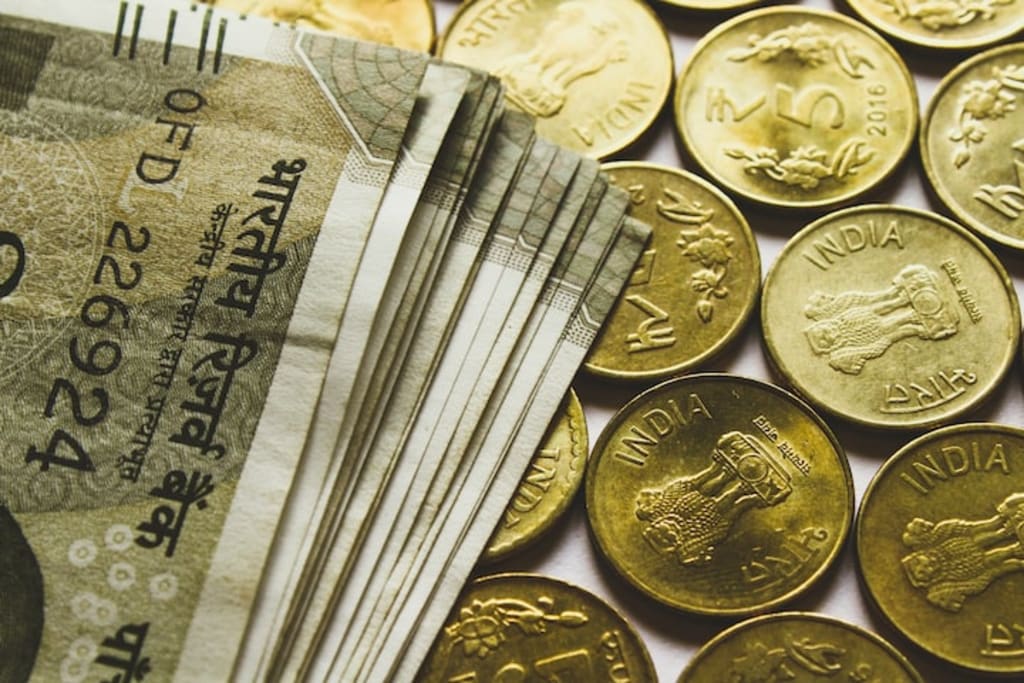
THE INDIAN ECONOMY
The Indian economy is the sixth largest in the world by nominal Gross Domestic Product (GDP) and the third largest by purchasing power parity (PPP). As of 2021, the Indian economy was valued at approximately $2.9 trillion and is projected to grow further in the coming years.
The Indian economy is the sixth largest in the world by nominal GDP and the third largest by purchasing power parity.
Mixed economic system with both private and public sectors contributing to growth.
Key driving sectors include agriculture, manufacturing, and services.
Large and growing middle class and rapidly expanding consumer market.
Challenges faced include income inequality, corruption, and infrastructure bottlenecks.
Since the liberalization of the Indian economy in the 1990s,
The country has experienced significant economic growt
averaging around 7% annually. The growth has been driven by several factors, including increased foreign investment, a rapidly growing middle class, and a large and young workforce
However, despite these positive trends, India still faces several challenges that hinder its economic progress.
One of the biggest challenges facing the Indian economy is a high level of income inequality.
A large portion of the population still lives below the poverty line, and there is a significant gap between the wealthy and the poor.
This inequality has led to a lack of access to basic services such as education, healthcare, and sanitation for many people, which in turn hampers their ability to participate fully in the economy.
Another major challenge is the weak infrastructure in the country.
India has struggled to provide adequate infrastructure, including electricity, transportation, and telecommunications, which are critical for economic growth.
The lack of infrastructure has also made it difficult for businesses to operate efficiently, and it has stifled the development of industries in certain regions.
The Indian government has taken several steps to address these challenges and promote economic growth. For example, it has implemented a number of reforms aimed at increasing foreign investment and making it easier for businesses to operate.
It has also invested in infrastructure development, particularly in the areas of transportation, telecommunications, and energy. Additionally, the government has implemented programs aimed at reducing poverty and income inequality, including the National Rural Employment Guarantee Act and the Mahatma Gandhi National Rural Employment Guarantee Scheme.
Another important aspect of the Indian economy is the large agricultural sector, which employs over 50% of the country's workforce. Despite this, the sector has not kept pace with other parts of the economy, and it remains relatively underdeveloped.
The government has taken steps to improve the situation, including the implementation of policies aimed at increasing agricultural productivity and promoting rural development.
The Indian manufacturing sector has also experienced significant growth in recent years, driven by increasing demand for consumer goods and rising exports.
However, the sector is still relatively small compared to other countries, and it faces a number of challenges, including a lack of access to financing, limited access to technology, and weak infrastructure.
The services sector is another key component of the Indian economy and is one of the fastest growing sectors in the country. The sector includes a range of activities, including financial services, telecommunications, and retail. It has been a major driver of economic growth in recent years and is expected to continue to be a key contributor in the coming years.
In conclusion, the Indian economy has made significant progress in recent years and is projected to continue to grow in the coming years. However, it still faces several challenges, including high levels of income inequality, weak infrastructure, and an underdeveloped agricultural sector.
The government has taken several steps to address these challenges and promote economic growth, and it will be important to continue these efforts in order to ensure sustainable and inclusive economic growth in the future
About the Creator
Enjoyed the story? Support the Creator.
Subscribe for free to receive all their stories in your feed.
Comments
There are no comments for this story
Be the first to respond and start the conversation.