
The Importance of Social-Emotional Learning in Indian Schools
The Importance of Social-Emotional Learning in Indian Schools
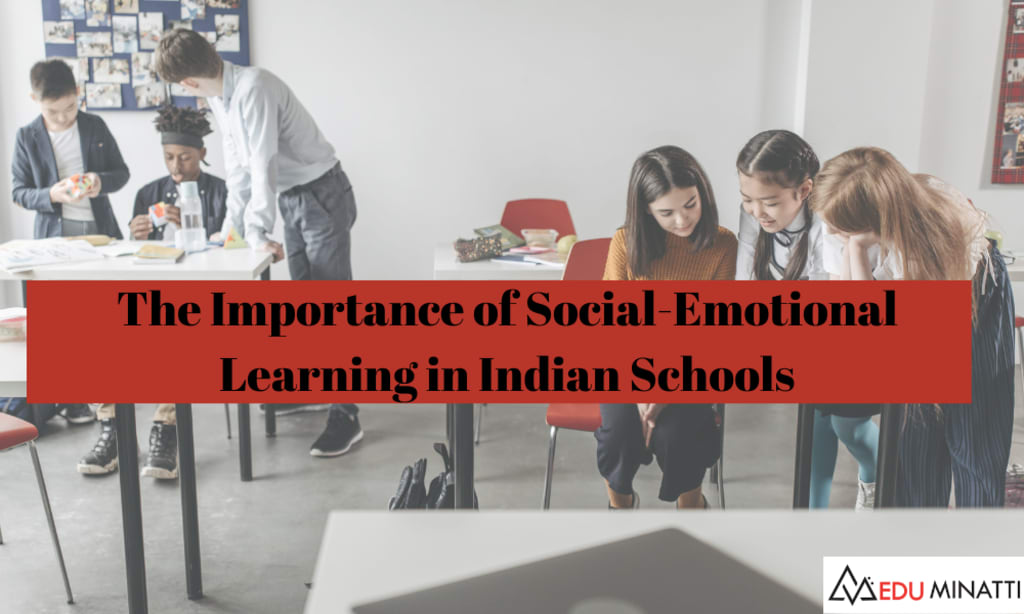
Imagine a school environment where students not only excel academically but also build resilience, empathy, and the ability to manage emotions effectively.
This is the essence of social-emotional learning (SEL), a vital aspect of modern education that Schools in India are increasingly incorporating into their curriculums.
With growing awareness about the importance of mental health and emotional intelligence, SEL is emerging as a cornerstone of holistic education for students.
What Is Social-Emotional Learning (SEL)?
Social-emotional learning focuses on helping students develop skills to manage their emotions, build positive relationships, and make responsible decisions.
It empowers children to understand and navigate the complexities of their emotions while fostering empathy and collaboration.
For schools in India, SEL offers a transformative approach that goes beyond academics, preparing students for success in both their personal and professional lives.
This method is especially relevant in today’s fast-paced world, where emotional well-being is as crucial as intellectual growth.
1. Why SEL Matters in Indian Schools
Enhancing Emotional Intelligence
Emotional intelligence (EI) is the ability to understand, regulate, and express emotions constructively.
SEL programs in schools in India are designed to cultivate EI among students, enabling them to handle challenges with composure and confidence.
For example, teaching students how to express their feelings, resolve conflicts peacefully, and empathize with peers can significantly improve classroom dynamics and reduce stress levels.
Improving Academic Performance
Numerous studies have shown that students with strong social-emotional skills tend to perform better academically. By fostering self-discipline, focus, and a positive mindset, SEL helps students overcome obstacles and stay motivated in their studies.
Promoting Mental Health
The pressures of academic success, peer competition, and social expectations can take a toll on students' mental health. SEL equips them with coping mechanisms to manage stress, anxiety, and other emotional challenges, creating a supportive environment for mental well-being.
2. How Schools in India Are Implementing SEL
Integrating SEL into the Curriculum
Many schools in India are embedding SEL into their daily teaching practices. Activities like group discussions, role-playing, and storytelling are used to teach empathy, teamwork, and conflict resolution. For younger students, interactive games and art-based activities are effective tools for exploring emotions and building self-awareness.
Dedicated SEL Programs
Some schools are introducing structured SEL programs with specific objectives for each grade level. These programs focus on skills like self-regulation, communication, and relationship-building, gradually progressing as students mature.
Teacher Training
A critical component of successful SEL implementation is training educators to model and teach social-emotional skills. Many schools conduct workshops to help teachers understand the importance of SEL and equip them with strategies to foster emotional intelligence in the classroom.
3. SEL in Action: Real-Life Examples
Mindfulness Practices
Several schools in India are incorporating mindfulness exercises, such as meditation and breathing techniques, into their daily routines. These practices help students stay present, reduce stress, and improve concentration.
Conflict Resolution Activities
Schools often organize workshops and role-playing exercises to teach students how to resolve conflicts peacefully. These activities promote empathy and mutual respect, reducing instances of bullying and hostility.
Community Service Projects
Engaging students in community service allows them to practice compassion and develop a sense of responsibility toward society. These projects not only reinforce SEL principles but also instill a sense of purpose and fulfillment.
4. The Role of Parents in SEL
Parents play a vital role in reinforcing social-emotional learning at home. By practicing active listening, encouraging open communication, and modeling empathy, parents can create a supportive environment that complements the efforts of schools in India.
Additionally, parents can participate in SEL workshops organized by schools to better understand their child’s emotional needs and learn strategies to address them effectively.
5. The Challenges of Implementing SEL in Indian Schools
While SEL offers immense benefits, its implementation is not without challenges. Many schools in India face a lack of trained staff and resources to deliver effective SEL programs.
Cultural stigmas around discussing emotions and mental health can also hinder progress.
However, with growing awareness and support from educators, parents, and policymakers, these barriers are gradually being overcome.
The integration of SEL into education is a promising step toward a more inclusive and supportive learning environment.
Conclusion: Building a Better Future with SEL
Social-emotional learning is more than just a trend—it’s a fundamental shift in how education is approached.
By prioritizing SEL, schools in India are nurturing students who are not only academically competent but also emotionally resilient and socially responsible.
For parents, embracing SEL means investing in their child’s holistic development, ensuring they are equipped to handle life’s challenges with confidence and compassion.
For students, it’s an opportunity to grow into well-rounded individuals who can build meaningful relationships, excel in their careers, and contribute positively to society.
The importance of SEL in schools in India cannot be overstated. As more schools adopt this transformative approach, we move closer to a future where education truly empowers students to thrive in every aspect of life.
About the Creator
Enjoyed the story? Support the Creator.
Subscribe for free to receive all their stories in your feed.
Comments
There are no comments for this story
Be the first to respond and start the conversation.