
The Importance of Accuracy in Electrical Engineering Homework Solutions
Why Precision Matters in Solving Electrical Engineering Assignments and How It Impacts Learning and Real-World Applications
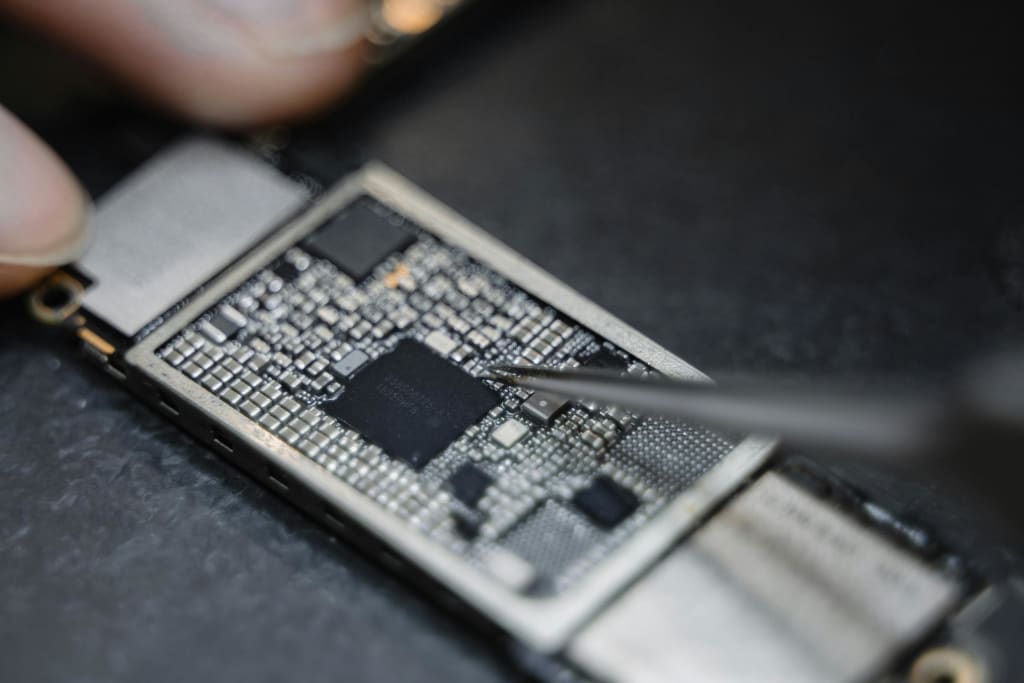
In the intricate world of electrical engineering, precision isn't just a virtue—it's a necessity. When tackling electrical engineering homework, even minor miscalculations can lead to significant consequences. A slight error in a circuit analysis or a misjudged measurement can cascade into flawed designs or system failures. Accuracy ensures that theoretical solutions align with real-world applications, safeguarding both functionality and safety. Moreover, mastering accuracy in assignments cultivates a mindset essential for professional engineering practice, where meticulous attention to detail can prevent costly mistakes.
This article delves into the critical role accuracy plays in electrical engineering homework, exploring how it underpins successful outcomes and prepares students for the demands of the engineering field.
1. Ensuring Safety and Reliability
Small errors can lead to dangerous results in electrical systems. For example, miscalculating voltage or resistance in a circuit can cause short circuits or even fires. Students must understand that accuracy in calculations and diagrams is critical for real-life applications.
Reliable designs begin with accurate work. This habit, if practiced early, prevents future disasters.
- A faulty component design can fail at 110V instead of handling 230V.
- Inaccurate power ratings may result in system overloads or equipment damage.
From classroom circuits to power grids, safety always starts with precision.
2. Developing Strong Problem-Solving Skills
Accurate homework solutions train the brain to think logically and systematically. Electrical engineering isn’t guesswork—it’s about understanding, applying, and verifying.
When students aim for exact results, they:
- Break complex problems into smaller parts.
- Analyze and check each calculation step.
- Interpret data and diagrams better.
These habits sharpen their problem-solving mindset. Over time, accuracy becomes second nature.
3. Building Professional Competence
Engineers deal with practical problems daily. Employers want graduates who think critically and produce error-free results. According to a 2024 survey, 78% of hiring managers in engineering firms prioritize accuracy in technical tasks.
Students who practice accuracy:
- Earn higher trust in group projects and internships.
- Deliver results that meet industry standards.
- Reduce time spent on rework or corrections.
This skill builds a strong foundation for a successful career.
Need help understanding tough concepts or double-checking calculations? Seek expert guidance now before you submit your electrical engineering homework.
4. Minimizing Errors and Enhancing Efficiency
Accurate solutions help reduce repetitive work. When students get it right the first time, they save time and energy. This habit not only improves grades but also boosts productivity.
Common mistakes include:
- Misusing Ohm’s Law or Kirchhoff’s rules.
- Confusing current direction of polarity.
- Incorrect unit conversions (e.g., mA vs A).
Each mistake affects the final answer. Learning to avoid them builds speed and confidence. Over time, students spend less time redoing tasks and more time exploring new ideas.
5. Upholding Ethical Standards
Engineering is an ethical field. Errors in homework might seem minor, but they set a tone for the future. In professional practice, even small oversights can harm people and businesses.
Practicing accuracy now teaches students to:
- Own their work and results.
- Respect project goals and safety norms.
- Deliver reliable solutions under pressure.
It’s about building integrity, one assignment at a time.
6. Enhancing Learning and Conceptual Understanding
When students solve problems accurately, they understand the concepts better. Rushing through assignments or copying answers skips the learning process. But working through each step carefully helps build a deeper understanding.
Accurate solutions help students:
- Visualize how theory applies to real systems.
- Connect formulas with practical use cases.
- Spot patterns across different topics.
For example, mastering Thevenin’s theorem in homework strengthens circuit design understanding. In a study done in 2023, students who reviewed and corrected their homework scored 22% higher in final exams.
Final Thoughts
In electrical engineering, precision isn't just a skill—it's a safeguard. Accurate homework practices not only prevent costly errors but also instill a mindset essential for real-world engineering challenges. By honing meticulous problem-solving habits now, students lay the groundwork for professional competence and ethical responsibility. Embracing accuracy transforms assignments into opportunities for growth and innovation. Ready to elevate your engineering journey? Start by double-checking your next calculation—you might just uncover a new insight.
About the Creator
Imran Khan
I am an expert who provides students with an assignment help service. I also work for an assignment help website where I do essay writing, editing and proofreading for students.
Enjoyed the story? Support the Creator.
Subscribe for free to receive all their stories in your feed.
Comments
There are no comments for this story
Be the first to respond and start the conversation.