
The Impact of Weather Conditions on Drone Surveillance Effectiveness
Check out what's the impact of weather conditions on drone surveillance effectiveness
Drone technology has revolutionized security and surveillance operations across industries ranging from defense and border control to agriculture and urban management. Drones offer flexibility, cost-effectiveness, and access to areas that are challenging for traditional surveillance methods. However, one critical factor that remains a limitation for drone surveillance effectiveness is weather.
Extreme or even moderate weather conditions can significantly affect the performance and safety of drones. As organizations increasingly adopt the Best Drone Surveillance Systems India offers, understanding how weather can influence operational success is essential.
Weather unpredictability in regions like India, with its diverse climatic zones, makes it imperative to evaluate and plan for environmental impacts. The best surveillance strategies account for weather conditions to ensure continuous, accurate, and safe data collection.
Key Weather Factors Affecting Drone Surveillance
1. Wind Speeds and Gusts
High winds can destabilize drones, leading to erratic movements or even loss of control. Surveillance drones often have stability-enhancing features, but wind speeds beyond their threshold can still ground operations.
2. Rain and Moisture
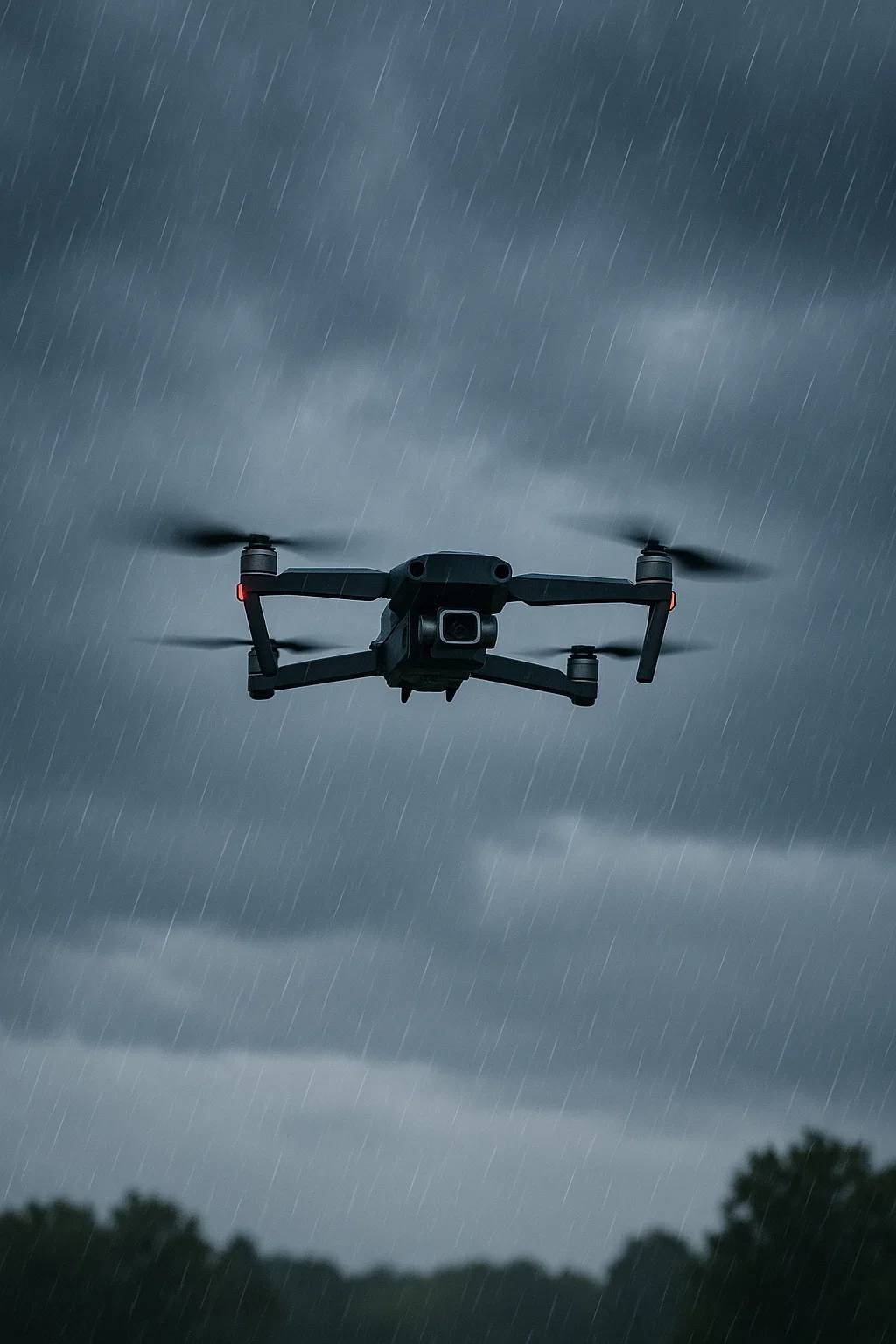
Most commercial drones are not fully waterproof. Rain can short-circuit internal systems, obscure camera lenses, and distort video feeds. It also increases the risk of crashes due to the additional weight of water droplets.
3. Fog and Low Visibility
Fog and mist impair visual sensors and cameras, reducing the effectiveness of image and video capture. Lidar and infrared sensors offer some solutions, but overall surveillance quality still suffers.
4. Temperature Extremes
Excessive heat or cold can degrade battery life, cause mechanical stress, and impair electronic functionality. Batteries drain faster in cold conditions, limiting flight times significantly.
5. Snow and Ice
Snow and ice can weigh down drones, affect propulsion, and create dangerous flying conditions. Similar to rain, the moisture can lead to internal damage.
The Role of Drone Data Acquisition in India
Organizations seeking reliable Drone Data Acquisition in India must incorporate weather assessments into operational planning.
The Indian Institute of Drone Technology provides training and expertise on safe drone operations in diverse weather conditions. This ensures that data collection remains consistent and reliable across varying environments.
Indian Institute of Drone Technology programs focus on practical training, including risk assessments and contingency planning for adverse weather, helping to minimize mission disruptions.
Technology Solutions for Mitigating Weather Risks
1. Advanced Sensors and Software
Modern surveillance drones are increasingly being equipped with sophisticated technologies to improve performance in adverse weather.
Features such as GPS stabilization provide better positional accuracy even in strong winds or magnetic interference. Additionally, obstacle avoidance systems use sensors and machine learning algorithms to detect and bypass unexpected objects like trees, power lines, or structures during poor visibility.
Real-time weather monitoring systems offer critical information to pilots, allowing them to make informed decisions mid-flight, enhancing operational safety and mission success.
2. Rugged Drone Models
Certain manufacturers have introduced drones specifically engineered for harsh environmental conditions.
These rugged drones are constructed using durable, weather-resistant materials such as reinforced carbon fiber or high-grade plastics.
They are designed with sealed compartments to protect sensitive electronic components and are capable of withstanding rain, snow, or high winds without compromising functionality.
3. Predictive Weather Tools
Many professional drone operations now utilize integrated flight planning software that combines real-time meteorological data with predictive algorithms.
These tools help pilots assess upcoming weather patterns and select the safest possible flight windows. Operators can receive alerts on wind changes, precipitation likelihood, and temperature drops, reducing operational risks and ensuring safe and efficient data collection.
Training and Skill Development is Necessary
Acquiring professional knowledge through Drone Certification Courses is vital for safe and effective drone surveillance. The Indian Institute of Drone Technology offers specialized courses that train operators to manage drones effectively in unpredictable climates.
The curriculum includes modules on interpreting weather data, emergency response protocols, and equipment handling best practices.
By equipping operators with advanced skills, these courses reduce risks and improve the reliability of drone-based surveillance operations.
Final Note
While drones represent a cutting-edge solution for surveillance and security, their dependency on favorable weather conditions remains a critical consideration. Organizations investing in the top Drone Surveillance Systems can offer should also prioritize operator training, robust equipment, and predictive tools to mitigate the impact of weather.
With advancements in technology and training programs like those from Indian Institute of Drone Technology, the future of drone surveillance continues to become more resilient, reliable, and effective, even under challenging environmental conditions.
About the Creator
Indian Institute of Drone Technology
The Indian Institute of Drone Technology (IIDT) is the Best Drone Training Institute in India, offering cutting-edge courses in UAV piloting, drone programming, repair, and automation.
Enjoyed the story? Support the Creator.
Subscribe for free to receive all their stories in your feed.
Comments
There are no comments for this story
Be the first to respond and start the conversation.