
The Impact of Center Based ABA Therapy on Children with Autism
Discover how Center Based ABA Therapy helps children with autism grow in confidence, communication, and independence at Beyond Infinity ABA.
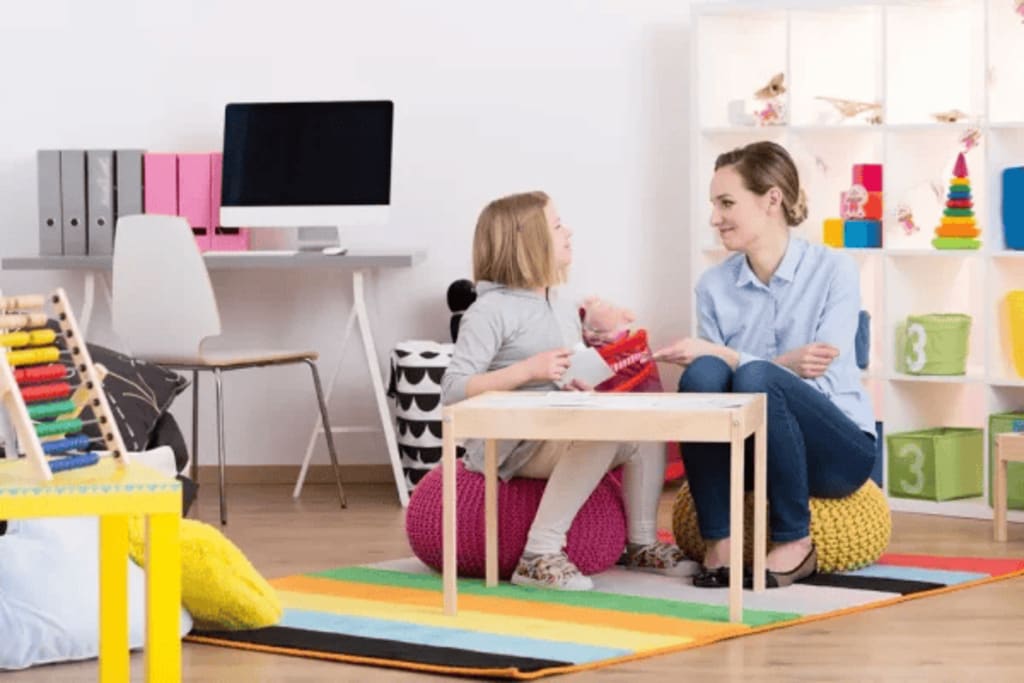
Raising a child on the autism spectrum is a journey full of unique moments—some challenging, others unexpectedly joyful. Many parents describe it as a winding road that teaches them as much about themselves as it does about their children. Along the way, one of the most pivotal decisions families face is choosing the right type of support. For those seeking comprehensive and structured ABA Therapy Services, Center Based ABA Therapy offers an environment built for growth, development, and success.
A Supportive Space Designed for Learning
Children with autism often thrive in predictable environments where expectations are clear and distractions are minimized. That’s one of the primary reasons Center Based ABA Therapy is so effective. Therapy centers are thoughtfully designed spaces where each element—from lighting to layout—is crafted to support learning and reduce sensory overload.
In these centers, therapists can observe children in a consistent setting and tailor interventions that match their needs. Unlike home environments, where distractions may derail progress, a center provides dedicated learning zones for communication, social interaction, and play-based learning.
What Happens During a Session?
A typical day in a center based program includes a mix of structured teaching and naturalistic play. Children might work one-on-one with a Registered Behavior Technician (RBT) on communication goals, then join a small group activity to build social skills. Common session components include:
Functional communication training
Emotional regulation strategies
Social skills development
Motor skills activities
Data collection and behavior tracking
Therapists use positive reinforcement to encourage desired behaviors while making learning enjoyable and meaningful.
Why Center Based ABA Therapy Works
What sets Center Based ABA Therapy apart is the consistent exposure to peer interaction, specialized resources, and trained professionals all in one location. For example, a child who struggles with transitions may benefit from the structured daily routine of a center, while another child may improve their social skills by regularly engaging with peers under the supervision of a behavior analyst.
It also allows therapists to implement more intensive programs that are difficult to maintain at home. This level of consistency and intensity often accelerates progress, especially in younger children.
In the middle of their child’s developmental journey, many parents find that Center Based ABA Therapy offers the balance of structure, expertise, and peer interaction they’ve been searching for.
Building Confidence Through Social Interaction
Social skills are often a significant challenge for children with autism. In a center-based setting, children regularly practice greetings, sharing, turn-taking, and other essential social behaviors. These daily opportunities make it easier for children to generalize social behaviors to other environments like school or community outings.
Additionally, therapists model and reinforce appropriate behaviors, providing instant feedback and encouragement. This not only builds the child’s social toolbox but also their self-confidence.
Real-Life Examples: Growth That Speaks for Itself
Consider Leo, a four-year-old who entered center-based therapy nonverbal and hesitant to engage with others. After six months, he began using picture exchange systems to communicate and smiled more during peer play. Or take Ava, a ten-year-old who had trouble with transitions. Through consistent exposure to routines in the center, she now transitions between tasks at school with minimal support.
These aren’t just isolated stories—they're examples of what’s possible when therapy is personalized, compassionate, and consistent.
The Role of Parents and Caregivers
Even though therapy happens in a center, parents are never out of the loop. Weekly meetings, progress updates, and parent training sessions ensure that caregivers understand what’s being taught and how to reinforce it at home.
In fact, one of the most important goals is to help families feel confident managing daily challenges. With the right guidance, parents can apply behavior strategies to bedtime routines, grocery store visits, or family dinners.
The Power of Early and Consistent Intervention
The earlier a child starts therapy, the greater the potential for long-term success. That’s because young brains are still developing and can more easily learn new skills. Center Based ABA Therapy, with its structure and access to a full team of professionals, offers an ideal environment for early intervention.
That said, it’s never too late. Many older children and even teens benefit from working on communication, life skills, and emotional regulation in a structured setting. The key is creating a program that grows with the child.
Integrating Therapy with School and Other Services
A quality center-based program doesn’t operate in a vacuum. Therapists often collaborate with schools, speech and occupational therapists, and pediatricians to ensure the child’s support team is aligned.
Behavior analysts may attend IEP meetings, provide data to school staff, or help implement strategies that support the child’s classroom success. This collaboration creates consistency across all environments—a major factor in how well a child generalizes their skills.
In-Clinic vs. In-Home: What’s Right for Your Child?
Some families wonder whether in-home or center-based therapy is better. The truth is, both have benefits:
In-home therapy is great for routines like dressing, brushing teeth, or mealtime.
Center-based therapy offers structured peer interaction, a distraction-free space, and immediate support from a multidisciplinary team.
In many cases, combining the two creates the best outcomes. Your therapy provider can help you decide what’s best based on your child’s goals and your family’s schedule.
Choosing the Right ABA Provider
Not all ABA therapy providers are the same. When choosing a center, look for:
Board-certified behavior analysts on staff
Low therapist-to-child ratios
Clear communication with families
Individualized treatment plans
A warm, welcoming environment for children
Beyond Infinity ABA meets all these criteria and more. Our team is committed to creating a space where your child feels safe, supported, and motivated to learn. We take the time to get to know your child and build a plan that evolves as they grow.
Lasting Impact Beyond the Therapy Room
ABA therapy isn’t about short-term fixes. It’s about equipping children with the tools they need to lead more independent and fulfilling lives. Whether that means learning to tie their shoes, join a conversation, or navigate a school hallway, the skills taught in therapy ripple outward.
Many families say that therapy gave them more than just skills—it gave them hope, understanding, and a sense of direction. And that’s what it’s all about.
FAQs About Center Based ABA Therapy
Q1: How many hours per week does center-based therapy require?
Most children receive 20–40 hours per week, depending on their needs and availability. Your therapy team will make a recommendation based on assessment data.
Q2: Will my child be in a group or one-on-one sessions?
Both. Children typically receive a mix of individual and small group sessions to address different goals.
Q3: Is center-based therapy appropriate for toddlers?
Yes! Many centers, including Beyond Infinity ABA, have specialized programs for toddlers to start building foundational skills early.
Q4: What should I bring to my child’s first session?
Bring any recent assessments, IEP documents, and items that comfort your child (e.g., a toy, snack, or blanket).
Q5: How do I know if my child is making progress?
Therapists regularly collect data and share progress reports with families. You’ll see updates on mastered skills, new goals, and overall development.
Q6: What makes Beyond Infinity ABA different?
We believe therapy should be as individual as your child. Our experienced team blends science and heart to create meaningful, lasting progress for every child we serve.
About the Creator
Enjoyed the story? Support the Creator.
Subscribe for free to receive all their stories in your feed.
Comments
There are no comments for this story
Be the first to respond and start the conversation.