
The Great Leader Who Built Pakistan: Quaid-e-Azam Muhammad Ali Jinnah
Quaid-e-Azam Muhammad Ali Jinnah

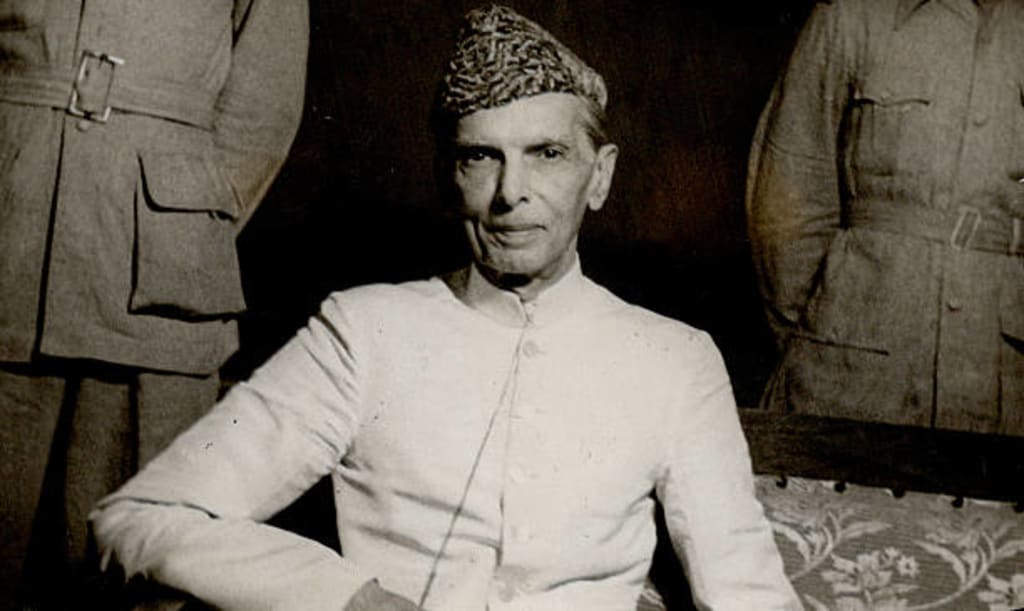
Introduction:
Quaid-e-Azam Muhammad Ali Jinnah is revered as the founding father of Pakistan, celebrated for his pivotal role in the creation of the nation. His leadership, marked by unwavering determination and foresight, continues to inspire generations. In this article, we delve into the life, principles, and lasting legacy of this remarkable leader, exploring the key milestones that shaped Pakistan under his guidance.
Early Life and Education:
Born on December 25, 1876, in Karachi, Muhammad Ali Jinnah hailed from a respected mercantile family. His early education in Karachi and Bombay laid the foundation for his future endeavors. Jinnah's pursuit of legal studies took him to London, where he became a barrister and imbibed the principles of justice and equality that would define his political career.
Champion of Unity:
Throughout his political journey, Jinnah championed the cause of Hindu-Muslim unity within the Indian National Congress. However, growing disparities and the neglect of Muslim interests compelled him to advocate for a separate Muslim state. His efforts to bridge communal divides laid the groundwork for the Pakistan Movement.
The Lahore Resolution:
The Lahore Resolution of 1940, presented by Jinnah at the All-India Muslim League's annual session, was a watershed moment in the struggle for independence. It called for the creation of independent states for Muslims where they constituted a majority. This resolution crystallized the demand for a separate homeland for Muslims in British India, propelling the Pakistan Movement forward.
Negotiator and Statesman:
Jinnah's diplomatic prowess and negotiation skills were instrumental in securing the partition of British India and the subsequent creation of Pakistan in 1947. Despite facing formidable opposition and challenges, he navigated complex political landscapes with grace and determination. His commitment to dialogue and constitutionalism ensured a peaceful transition to independence.
Architect of a Nation:
As Pakistan's first Governor-General, Jinnah assumed the monumental task of nation-building in the aftermath of partition. He articulated a vision for Pakistan as a democratic, tolerant, and progressive state, where citizens of all faiths would enjoy equal rights and opportunities. His historic address to the Constituent Assembly on August 11, 1947, outlined his vision for a pluralistic society based on principles of justice and humanity.
Defender of Minority Rights:
Jinnah's steadfast commitment to safeguarding the rights of minorities remains a cornerstone of his legacy. He famously declared that in Pakistan, every citizen would be free to practice their religion without fear or discrimination. His unwavering stance on religious and cultural pluralism laid the foundation for Pakistan's identity as a diverse and inclusive nation.
Legacy and Inspiration:
Quaid-e-Azam Muhammad Ali Jinnah's legacy continues to resonate with people across Pakistan and beyond. His courage, integrity, and foresight in the face of adversity serve as a timeless source of inspiration. Jinnah's unwavering commitment to democratic principles, social justice, and national unity remains relevant in today's world, where these values are increasingly under threat.
Conclusion:
Quaid-e-Azam Muhammad Ali Jinnah's visionary leadership paved the way for the creation of Pakistan as an independent nation. His principles of justice, equality, and tolerance continue to guide Pakistan's journey, inspiring future generations to uphold the ideals for which he stood. As we honor his legacy, let us reaffirm our commitment to building a nation that reflects his vision of freedom, equality, and dignity for all its citizens.
About the Creator
Enjoyed the story? Support the Creator.
Subscribe for free to receive all their stories in your feed.
Comments
There are no comments for this story
Be the first to respond and start the conversation.