
The Future of Renewable Energy: Transforming Global Power Sources
Exploring how clean energy technologies are reshaping the global energy landscape and leading the fight against climate change.

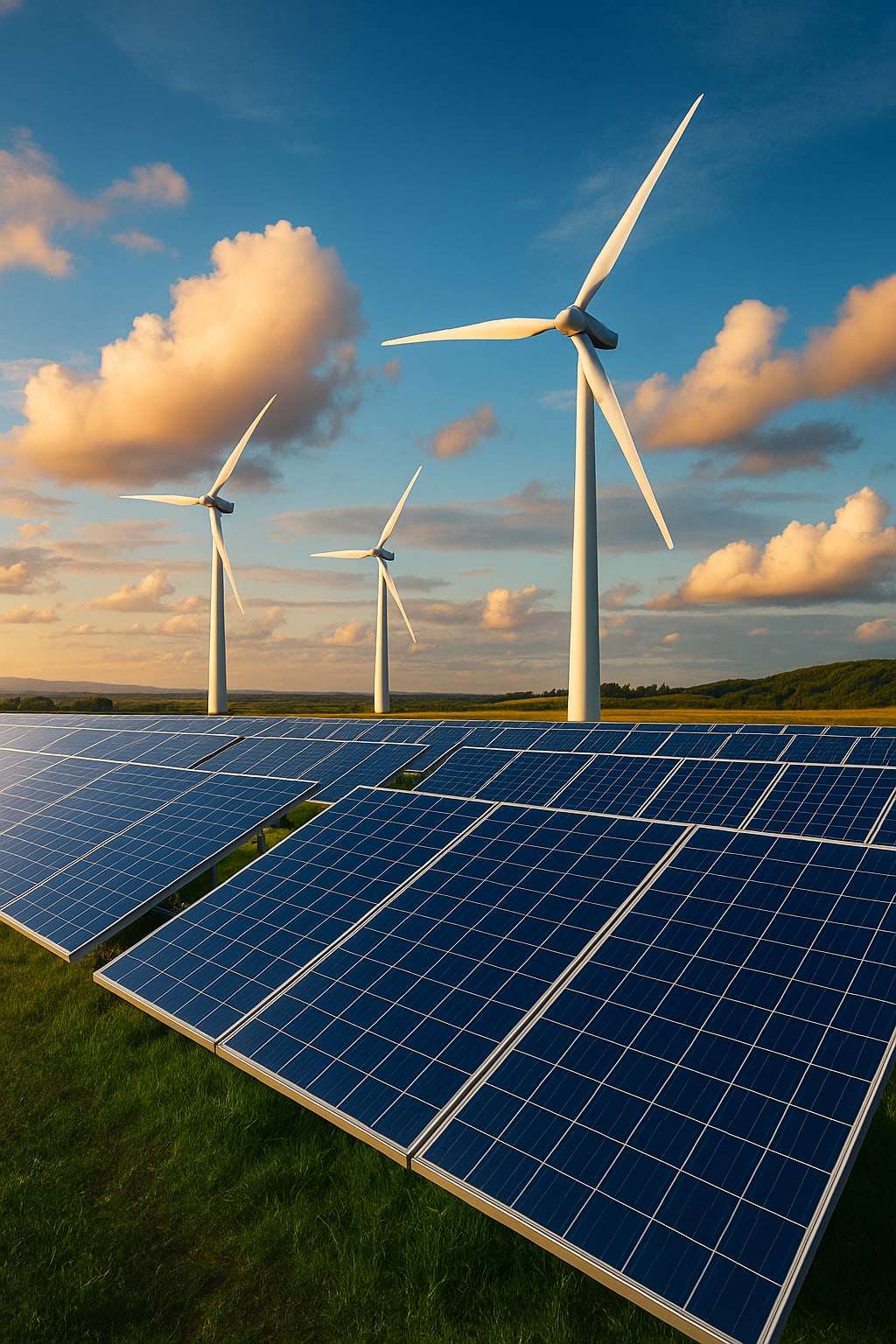
The Future of Renewable Energy: Transforming Global Power Sources
Exploring how clean energy technologies are reshaping the global energy landscape and leading the fight against climate change.
In a world increasingly driven by sustainability and environmental consciousness, renewable energy has emerged as the cornerstone of our future. As fossil fuels decline and the climate crisis intensifies, the global transition to clean power is not only inevitable but essential. From solar panels stretching across deserts to wind turbines dancing in offshore waters, the renewable energy revolution is already underway—reshaping how we power our homes, businesses, and economies.
🌍 A Shift Born Out of Necessity
The growing reliance on fossil fuels over the past century has come at a steep environmental cost. Rising greenhouse gas emissions, melting polar ice, and record-breaking temperatures have created a planetary emergency. The solution lies in reducing our dependence on non-renewable sources and accelerating the adoption of renewable alternatives such as solar, wind, hydropower, biomass, and geothermal energy.
What once seemed like futuristic technology is now a present-day necessity. Renewable energy offers the dual promise of sustainable development and long-term economic viability. Countries that embrace this shift early are positioning themselves as leaders in a new energy economy.
☀️ Solar Power: Leading the Clean Energy Race
Solar energy has seen the most significant growth over the past decade. Thanks to rapidly falling costs of photovoltaic (PV) cells and government subsidies, solar panels have become a common sight on rooftops and in solar farms worldwide. Countries like India, China, and the U.S. are heavily investing in large-scale solar infrastructure.
The future of solar power lies in efficiency improvements and energy storage innovations. With technologies like perovskite solar cells and transparent solar panels, solar energy may soon be integrated into everyday items—from windows to smartphones.
🌬️ Wind Energy: Harnessing the Power of the Air
Wind power is another major contributor to the renewable mix. Offshore wind farms, especially in countries like Denmark and the United Kingdom, are generating vast amounts of clean electricity. The appeal lies in scalability and cost-efficiency—modern wind turbines can now generate more power than ever before.
Advancements in aerodynamics and floating turbine platforms are making wind energy more accessible in deep-sea locations, increasing the potential for global adoption.
🔋 The Role of Energy Storage
One of the biggest challenges in renewable energy is intermittency—solar and wind power depend on weather and time of day. That’s where energy storage comes in. The rise of lithium-ion batteries, flow batteries, and even hydrogen fuel cells is helping store surplus energy and release it during periods of low generation.
Innovations in smart grids and AI-driven energy distribution will further improve efficiency and ensure a constant, reliable power supply. The future grid will not just deliver electricity—it will adapt, predict, and respond in real time.
🌱 Economic and Environmental Impact
Renewable energy is no longer just an environmental decision—it’s an economic one. The International Renewable Energy Agency (IRENA) reports that renewables now support over 12 million jobs globally, with millions more expected by 2030. Moreover, investments in clean energy can lead to energy independence, lower electricity costs, and reduced health impacts from air pollution.
Countries in the Global South stand to benefit the most. With abundant sunlight and wind, regions like Africa, South Asia, and Latin America can leapfrog outdated energy infrastructure and move straight into clean, distributed energy systems.
🏙️ Building Smart, Sustainable Cities
The future of renewable energy also lies in urban integration. Cities are evolving into smart, self-sufficient ecosystems powered by green energy. Buildings with solar rooftops, public transport systems running on electricity, and charging stations for electric vehicles (EVs) are becoming common in modern cities like Singapore, Oslo, and San Francisco.
Innovative urban planning that includes microgrids, green roofs, and energy-efficient architecture will further enhance sustainability and reduce carbon footprints.
🚀 The Road Ahead
The transition to renewable energy is not without its hurdles—policy inertia, grid compatibility issues, and geopolitical conflicts over rare earth materials still pose challenges. However, the direction is clear. The combined forces of public demand, private innovation, and global policy are propelling us toward a cleaner, greener energy future.
To realize this vision fully, collaboration is key. Governments must provide strong incentives, industries must innovate responsibly, and individuals must embrace energy efficiency in their daily lives.
🌞 Conclusion: Powering Tomorrow, Today
The renewable energy revolution is more than a technological shift—it’s a moral, economic, and environmental imperative. As we look toward the future, it is evident that clean energy will be the foundation of a sustainable world. With each solar panel installed and every wind turbine erected, we take one step closer to securing a livable planet for future generations.
About the Creator
Nithin
“Architect of the Indian Constitution, social reformer, economist, and champion of equality—Dr. B.R. Ambedkar dedicated his life to justice, education, and the upliftment of the marginalized .”
Enjoyed the story? Support the Creator.
Subscribe for free to receive all their stories in your feed.
Comments
There are no comments for this story
Be the first to respond and start the conversation.