
The Future of Fire Safety Innovation
Fire Safety Innovation

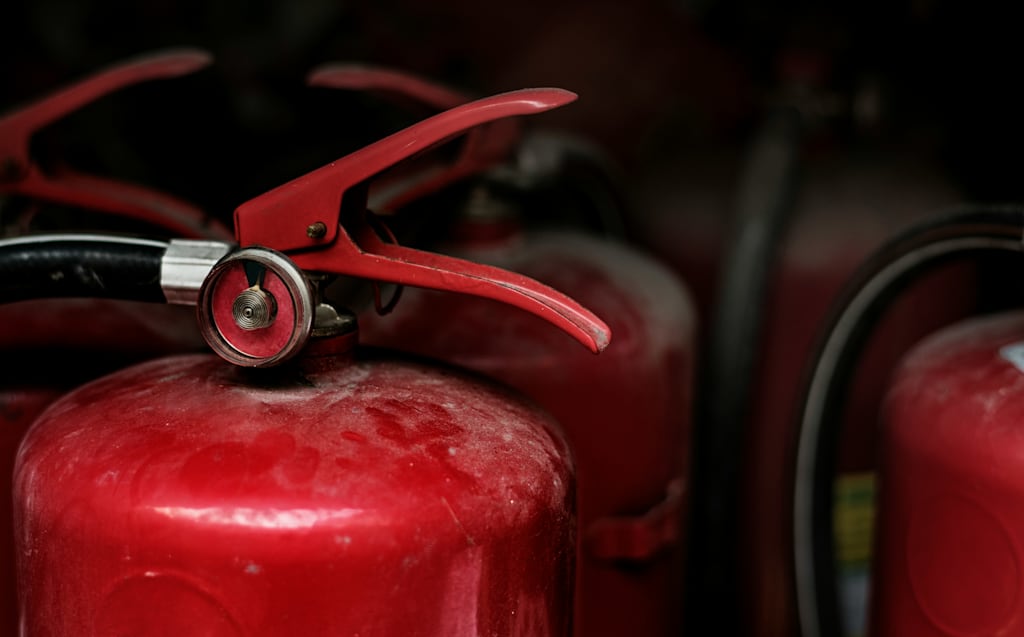
Fire protection technology is evolving rapidly as buildings, businesses, and communities face increasingly complex safety challenges. Older systems still play an important role, but modern solutions are making fire prevention and response faster, smarter, and more precise. Today’s innovations do more than sound an alarm. They collect information, guide decisions, support evacuation, and help reduce damage before a fire becomes uncontrollable.
Modern fire detection has advanced beyond simple smoke sensing. New systems can monitor multiple warning signs simultaneously, including heat, smoke density, air movement, gas levels, and flame behavior. This layered approach helps the system identify a real threat more accurately.
Intelligent detection also helps reduce false alarms. In many buildings, false alarms interrupt work, create unnecessary panic, and may cause people to ignore future warnings. By analyzing multiple signals before triggering an alert, smart detectors deliver a more reliable response and build trust in the system.
Air sampling detection is one of the most useful breakthroughs for early fire warning. These systems continuously pull air through small pipes and test it for tiny smoke particles. Because they can sense smoke at extremely low levels, they may detect a developing fire before visible smoke appears.
This technology is especially valuable in data centers, hospitals, museums, laboratories, and clean rooms. These spaces often contain sensitive equipment, valuable materials, or people who need extra protection. Early warning gives facility teams time to investigate and act before flames spread.
Artificial intelligence is becoming a major part of fire safety planning. AI can analyze data from sensors, cameras, electrical systems, maintenance records, and building operations. By finding patterns, it can identify areas where fire risk may be increasing.
For example, AI may notice repeated overheating in a machine room or unusual electrical activity in a panel. Instead of waiting for an emergency, safety teams can correct the issue early. This shift from reactive response to predictive prevention is one of the most important changes in fire protection.
Video detection systems use cameras and software to identify flames, smoke, and unusual movement patterns. This technology works well in large, open spaces where traditional detectors may respond more slowly. Warehouses, factories, transportation hubs, parking facilities, and outdoor storage yards can benefit from camera-based recognition.
Another advantage is visual confirmation. Safety teams can see what is happening rather than relying solely on an alarm signal. This helps them respond with better judgment and provide clearer information to emergency responders.
Water mist systems are changing how some buildings control fire. Instead of releasing large amounts of water, these systems create tiny droplets that cool the fire and reduce heat. The mist can also help limit the amount of oxygen near the flames.
Because water mist uses less water than many traditional sprinkler systems, it can reduce water damage. This makes it useful in hotels, heritage buildings, machinery spaces, hospitals, and other areas where equipment should not be exposed to heavy water flow. It offers strong fire control while protecting the surrounding environment.
Clean agent suppression systems are designed for areas where water could cause serious damage. These systems release special gases or chemical agents that interrupt the fire process, leaving little residue. After discharge, cleanup is usually easier than with water- or powder-based systems.
Data centers, control rooms, archives, medical facilities, and communication centers often use clean agent systems. These environments need fire protection that can work quickly while preserving equipment and important records. As businesses rely more on technology, clean agent systems are becoming even more valuable.
Fire protection is now part of the larger smart building network. A fire alarm system can communicate with elevators, lighting, security doors, heating and cooling systems, and public address equipment. When a fire occurs, the building can respond automatically.
For instance, emergency lights can turn on, access doors can unlock, elevators can move to safe floors, and ventilation systems can adjust to control smoke. This level of coordination helps reduce confusion and supports safer evacuation. It also gives building managers a clearer view of the emergency.
Traditional exit signs point in one direction at all times, even if that route becomes unsafe. New evacuation technology can adjust directions based on real-time conditions. Digital signs, voice instructions, and mobile alerts can guide people away from smoke, heat, or blocked pathways.
This is especially useful in stadiums, airports, hospitals, shopping centers, and high-rise buildings. Dynamic guidance helps prevent crowding and supports faster movement toward safer exits. During a stressful emergency, clear instructions can make a major difference.
Wireless fire safety devices make installation and expansion easier. They are useful in older buildings, temporary facilities, construction sites, and spaces where running wires would be difficult or expensive. Wireless detectors, alarms, and sensors can communicate quickly across a network.
This flexibility allows building owners to improve protection without major disruption. Wireless systems can also support remote monitoring, which helps teams track system performance and receive alerts even when no one is on site.
Drones and robots are opening new possibilities for fire response and inspection. Drones can survey rooftops, large industrial properties, forests, and disaster areas from above. They can provide thermal imaging and help responders understand where heat is concentrated.
Robots can enter spaces that may be too dangerous for people. They can carry cameras, sensors, and sometimes firefighting tools. These technologies help reduce risk for firefighters and provide better information during high-risk situations.
Fire safety equipment must work when it is needed most. Predictive maintenance tools help by monitoring system condition in real time. They can detect weak batteries, low pressure, blocked sensors, valve issues, or communication failures.
Instead of relying only on scheduled inspections, facility teams can respond when data shows a problem. This improves reliability and may reduce repair costs. It also helps ensure that fire protection systems remain ready every day.
The future of fire safety is built on faster detection, smarter analysis, cleaner suppression, and better communication. These breakthroughs help protect people, property, and business operations in ways that older systems could not fully achieve.
Still, technology works best when combined with training, planning, and regular maintenance. A smart system is only valuable when people understand how to use it and keep it working. As innovation continues, fire protection will become more proactive, connected, and effective in creating safer spaces for everyone.
About the Creator
Devin Doyle of Newport Beach
Devin Doyle of Newport Beach has spent over thirty years building a successful career in the business world. After graduating from Menlo College in 1984 with a degree in business.
Portfolio: https://devindoylenewportbeach.com
Enjoyed the story? Support the Creator.
Subscribe for free to receive all their stories in your feed.
Comments
There are no comments for this story
Be the first to respond and start the conversation.