
The Future of Data Science in Personalized Marketing and Customer Experience
How Data Science is Shaping Tailored Marketing and Enhanced Customer Journeys

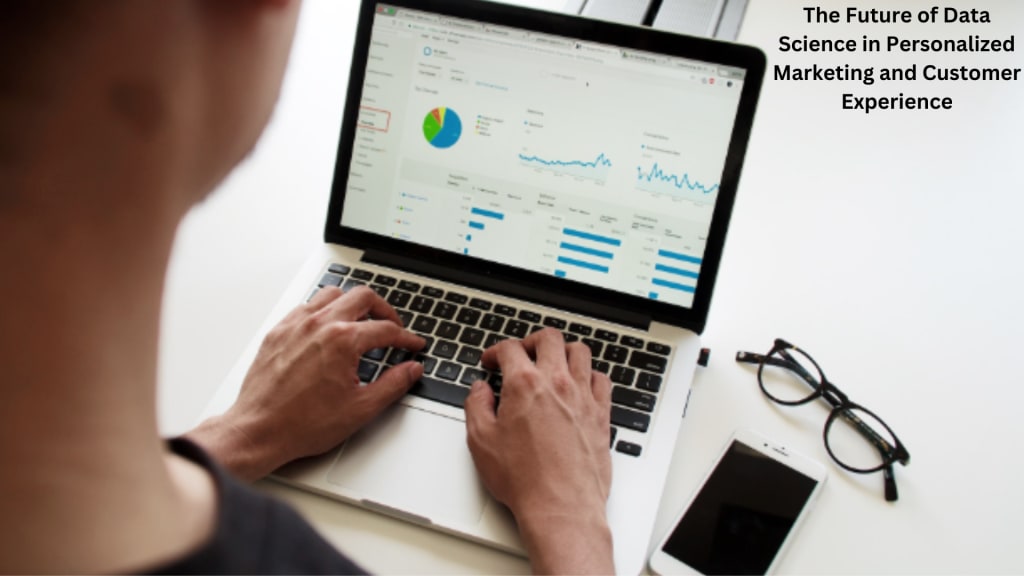
In today's rapidly evolving digital landscape, data science has emerged as a transformative force, particularly in the realms of personalized marketing and customer experience. As businesses strive to understand and cater to their customers on a more individual level, the role of data science becomes increasingly pivotal. The future of personalized marketing and customer experience will be defined by the innovative application of data science, driving unprecedented levels of customization, efficiency, and customer satisfaction.
The Rise of Personalized Marketing
Personalized marketing is not a new concept, but its potential has grown exponentially with the advent of big data and advanced analytics. Traditional marketing approaches relied heavily on generalized messages aimed at broad audiences. While this method was effective to an extent, it often resulted in a significant disconnect between the brand and the individual consumer. Today, consumers expect more—they want brands to understand their unique needs, preferences, and behaviors. This shift in consumer expectations has paved the way for data-driven personalization.
Data science enables marketers to delve deep into consumer data, uncovering insights that were previously unattainable. By analyzing vast amounts of data, including demographic information, purchase history, online behavior, and social media interactions, businesses can create highly targeted marketing campaigns. These campaigns are tailored to individual customers, offering products and services that resonate with their specific needs and preferences.
For instance, consider the case of Netflix. The streaming giant uses data science to analyze viewer behavior and preferences, enabling it to recommend content that is most likely to be of interest to each user. This level of personalization not only enhances the user experience but also drives customer loyalty and retention. As more companies recognize the power of personalized marketing, the future will see even more sophisticated algorithms and data-driven strategies designed to anticipate and meet customer needs with pinpoint accuracy.
Data Science and Customer Experience
While personalized marketing focuses on targeted communication, data science also plays a crucial role in enhancing the overall customer experience. In an era where customer experience is a key differentiator for brands, the ability to deliver a seamless, personalized, and consistent experience across all touchpoints is paramount. Data science provides the tools necessary to achieve this by analyzing customer interactions across various channels, predicting future behaviors, and proactively addressing potential issues.
One of the key areas where data science is revolutionizing customer experience is through predictive analytics. Predictive analytics uses past data to predict what might happen in the future. For example, a retail company can use predictive analytics to determine which products a customer is likely to purchase based on their previous shopping behavior. This information can then be used to personalize the shopping experience, offering recommendations and promotions that align with the customer's preferences.
Moreover, data science enables companies to anticipate and resolve customer issues before they escalate. By analyzing patterns in customer complaints or support requests, businesses can identify potential pain points and take proactive measures to address them. This not only improves customer satisfaction but also reduces churn rates, as customers are more likely to remain loyal to a brand that consistently meets their needs.
The Future of Data Science in Personalization
As technology continues to advance, the future of data science in personalized marketing and customer experience will be shaped by several key trends.
Artificial Intelligence and Machine Learning: The integration of artificial intelligence (AI) and machine learning (ML) with data science is set to revolutionize personalization. AI and ML algorithms can process and analyze vast amounts of data in real-time, enabling businesses to deliver hyper-personalized experiences. For example, chatbots powered by AI can engage with customers in real-time, providing instant, personalized responses to their queries. Similarly, ML algorithms can continuously learn from customer interactions, improving the accuracy and relevance of recommendations over time.
Omnichannel Personalization: The future of personalized marketing will be omnichannel, where customers receive a consistent, personalized experience across all platforms and devices. Data science will play a crucial role in integrating data from various sources, such as social media, mobile apps, websites, and in-store interactions, to create a unified customer profile. This unified profile will enable businesses to deliver personalized messages and offers, regardless of the channel the customer chooses to engage with.
Privacy and Ethical Considerations: As personalization becomes more advanced, issues related to data privacy and ethics will take center stage. Consumers are becoming increasingly aware of how their data is being used, and there is growing concern over data security and privacy. The future of data science in personalized marketing will require a delicate balance between leveraging data for personalization and respecting customer privacy. Businesses will need to adopt transparent data practices, ensuring that customers are informed about how their data is being used and have control over their personal information.
Real-Time Personalization: The future will also see a shift towards real-time personalization, where businesses can deliver personalized experiences instantly based on the most recent customer interactions. For example, an e-commerce site might offer real-time product recommendations based on the customer's current browsing behavior. This level of personalization requires advanced data processing capabilities, and data science will be at the forefront of enabling these real-time interactions.
Increased Focus on Customer Insights: Moving forward, there will be a greater emphasis on deriving actionable insights from customer data. Businesses will invest in advanced analytics tools to gain a deeper understanding of their customers, identifying trends and patterns that can inform future marketing strategies. These insights will not only enhance personalization efforts but also drive innovation in product development, customer service, and overall business strategy.
Conclusion
The future of data science in personalized marketing and customer experience is incredibly promising. As businesses continue to embrace data-driven strategies, the ability to deliver highly personalized, relevant, and timely experiences will become a key competitive advantage. With the rise of data science training in Delhi, Noida, Mumbai, Agra, Thane, Bhopal & all other cities in India, organizations are better equipped to leverage advanced techniques and tools for personalization. However, success in this space will require a commitment to ethical data practices, a focus on customer privacy, and a willingness to invest in the latest technologies. By harnessing the power of data science, businesses can create meaningful connections with their customers, fostering loyalty, and driving long-term growth. The journey towards personalization is only just beginning, and the future holds endless possibilities for those who are willing to innovate and adapt.
About the Creator
Vaishali Pal
I am Vaishali Pal, working as a Digital Marketer and Content Marketing. I enjoy technical and non-technical writing.
Enjoyed the story? Support the Creator.
Subscribe for free to receive all their stories in your feed.
Comments
There are no comments for this story
Be the first to respond and start the conversation.