
The Future of Autonomous Vehicles: AI at the Wheel
Enrolling in an artificial intelligence course can help individuals gain the necessary expertise to work at the forefront of this exciting technological evolution.
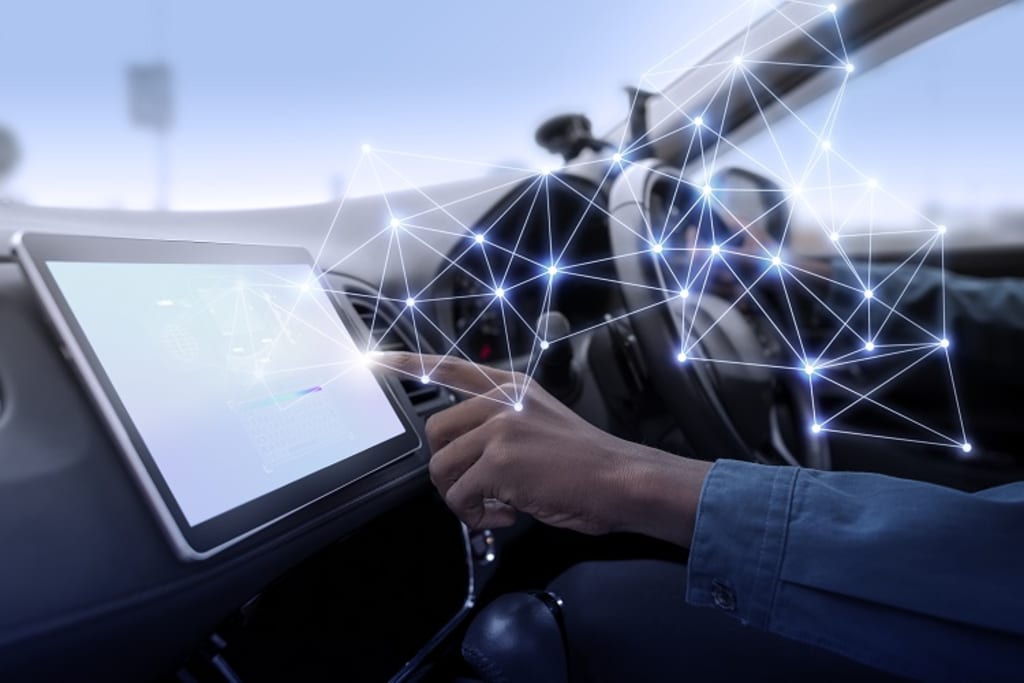
The transportation industry is on the cusp of a monumental shift, with autonomous vehicles (AVs) set to revolutionize how we travel, commute, and transport goods. Powered by artificial intelligence (AI), these self-driving vehicles promise to make roads safer, improve efficiency, and reduce environmental impacts. As AI continues to drive innovation in the automotive sector, the demand for professionals who understand the complexities of machine learning, computer vision, and robotics grows rapidly.
How AI Powers Autonomous Vehicles
At the heart of autonomous vehicles lies AI technology, which enables these vehicles to perceive and interpret their environment. Machine learning algorithms are employed to process data from sensors, cameras, LIDAR, and radar, allowing AVs to navigate, detect obstacles, and make driving decisions in real-time. These vehicles must also constantly update their internal models based on new information to improve decision-making over time.
Computer vision plays a critical role in interpreting visual data. By using AI, autonomous vehicles can recognize pedestrians, traffic signs, and other vehicles, ensuring safer navigation. With the rise of AI in this space, professionals are increasingly seeking to enhance their skillsets, and pursuing an AI training in coimbatore is an excellent way to develop the technical expertise necessary for working with these advanced systems.
The Benefits of Autonomous Vehicles
The introduction of AI-powered autonomous vehicles brings a wide range of potential benefits to society, including:
Safety: By removing the human error factor, AVs are expected to significantly reduce traffic accidents, which are often caused by distracted driving, fatigue, or impaired driving.
Efficiency: Autonomous vehicles can optimize traffic flow, reduce congestion, and lower fuel consumption by utilizing real-time data to adjust speeds and routes.
Accessibility: AVs will provide mobility solutions for individuals who cannot drive due to age, disability, or other factors.
Environmental Impact: Autonomous electric vehicles can further reduce carbon emissions by optimizing driving patterns and increasing energy efficiency.
For those aiming to contribute to the growth of autonomous vehicle technology, an artificial intelligence offers a strong foundation in machine learning, robotics, and data analysis — all critical components in the development of AV systems.
Real-World Applications and Advancements in AVs
Several companies are already testing autonomous vehicles on public roads, and many are achieving remarkable progress. In cities like San Francisco, companies like Waymo and Cruise have begun offering autonomous taxi services. Similarly, Tesla's Autopilot feature continues to evolve, bringing semi-autonomous driving to the masses. Other industries, such as freight transportation, are also beginning to embrace AVs, with autonomous trucks offering the potential to reduce human labor and improve supply chain efficiency.
Autonomous vehicle technology is already in action, but there’s still a long way to go before it becomes mainstream. As these systems continue to evolve, AI and machine learning will play an even larger role in improving the precision and safety of autonomous vehicles. Aspiring engineers, data scientists, and developers who are interested in contributing to this exciting field may benefit greatly from pursuing an artificial intelligence course in Datamites Training Institute to acquire the skills needed to design and implement the next generation of AV systems.
Challenges Facing Autonomous Vehicles
Despite the promise of autonomous vehicles, there are significant challenges that need to be overcome. AI algorithms must be able to function in a wide variety of weather conditions, nighttime settings, and complex urban environments. Current systems still struggle to handle unpredictable human behavior, such as jaywalking pedestrians or erratic drivers.
Safety and ethical concerns around autonomous vehicles need to be addressed. What should an AV do in a situation where an accident is unavoidable? The development of an ethical framework for decision-making in such scenarios is a hotly debated topic in the industry.
The integration of AVs into existing road infrastructure, as well as ensuring that they comply with varying regulations across different countries and states, presents logistical challenges. As this technology continues to advance, the demand for experts in AI and autonomous systems will grow, and an artificial intelligence can provide students with the skills to tackle these complex problems.
The Road Ahead: The Future of Autonomous Vehicles
The future of autonomous vehicles is filled with exciting possibilities, but it will require collaboration between car manufacturers, tech companies, and regulatory bodies to fully realize their potential. With continuous improvements in AI, we are likely to see AVs become more reliable, safe, and affordable in the near future.
In the long term, autonomous vehicles could become a common feature in urban environments, transforming the way we think about public transportation, logistics, and personal mobility. The integration of AI with autonomous systems will pave the way for smart cities, where AI-driven vehicles work in harmony with other smart infrastructure.
Professionals interested in this sector should take advantage of artificial intelligence to acquire a deeper understanding of AI technologies, as these courses provide essential training in autonomous vehicle technologies, including autonomous driving algorithms, sensor fusion, and machine learning.
The rise of autonomous vehicles powered by AI marks a significant turning point in the history of transportation. With the potential to transform safety, efficiency, and accessibility, AVs are poised to redefine how we move. As this technology continues to evolve, professionals equipped with the right skills in AI will play a crucial role in shaping the future of autonomous driving. Enrolling in an artificial intelligence can offer individuals the opportunity to become leaders in this exciting field, positioning them to influence the development of self-driving vehicles for years to come.
About the Creator
Enjoyed the story? Support the Creator.
Subscribe for free to receive all their stories in your feed.
Comments
There are no comments for this story
Be the first to respond and start the conversation.