
The Future is Now.
Exploring Emerging Trends in Technology.
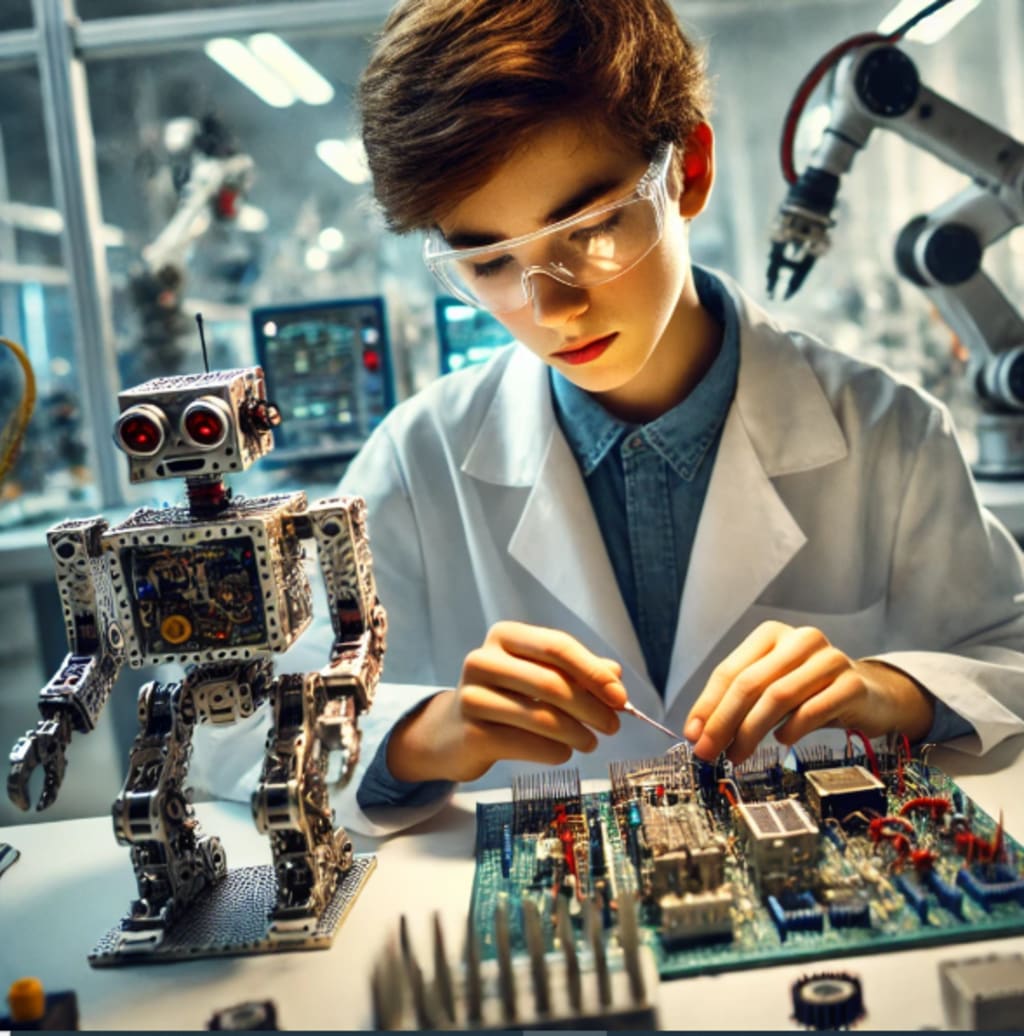
Technology continues to evolve at an astonishing pace, transforming the way we live, work, and connect with the world around us. From artificial intelligence (AI) to sustainable tech solutions, these innovations are shaping the future and providing exciting opportunities for individuals, businesses, and communities. Let’s explore some of the most groundbreaking trends in technology and their potential impact on our lives.
1.Artificial Intelligence and Machine Learning
Artificial intelligence (AI) has transitioned from being a futuristic concept to becoming a cornerstone of modern life. Today, AI powers a wide range of applications, from voice assistants like Siri and Alexa to complex systems in healthcare, finance, and transportation. AI’s ability to analyze vast amounts of data and make decisions has made it indispensable across industries.
Machine learning, a subset of AI, focuses on enabling systems to learn and improve from experience without being explicitly programmed. For instance, recommendation algorithms used by platforms like Netflix and YouTube leverage machine learning to personalize content for users. Similarly, AI-driven diagnostic tools in healthcare help doctors detect diseases earlier and with greater accuracy.
Impact:
AI is revolutionizing industries, enhancing productivity, and personalizing user experiences. However, its rapid growth also raises important ethical considerations, such as data privacy, security, and algorithmic bias. As AI continues to advance, addressing these challenges will be essential to ensure it benefits everyone responsibly.
---
2. Sustainable Technology
With climate change posing significant challenges, sustainable technology is becoming a priority across industries. Innovations such as solar panels, wind turbines, electric vehicles (EVs), and energy-efficient appliances are playing a crucial role in reducing carbon emissions. Companies are also adopting green computing practices, such as using energy-efficient data centers and eco-friendly manufacturing processes.
Sustainable technology extends beyond energy solutions. For example, water-saving irrigation systems and biodegradable packaging are helping reduce environmental impacts in agriculture and consumer goods. Governments and businesses alike are setting ambitious goals to achieve net-zero emissions, further driving the adoption of sustainable technologies.
Impact:
Sustainable technology not only helps combat environmental issues but also offers economic benefits. By investing in energy-efficient systems, businesses can reduce operational costs while contributing to a greener planet. For individuals, the growing availability of affordable EVs and renewable energy solutions makes sustainable living more accessible.
---
3. Internet of Things (IoT)
The Internet of Things (IoT) connects everyday devices to the internet, enabling them to communicate and share data seamlessly. From smart thermostats and wearable fitness trackers to industrial sensors, IoT is enhancing convenience and efficiency in both personal and professional settings.
In smart homes, IoT devices like smart lighting and security systems allow users to control and monitor their environments remotely. In agriculture, IoT-enabled sensors optimize irrigation and monitor soil health, improving crop yields. Meanwhile, industrial IoT (IIoT) is transforming manufacturing by enabling predictive maintenance and real-time monitoring of equipment.
Impact:
IoT is revolutionizing multiple sectors, improving efficiency, and reducing costs. In healthcare, wearable devices that monitor vital signs are helping doctors provide personalized care. However, IoT also presents challenges, such as ensuring data security and managing the vast amounts of data generated by connected devices.
---
4. Quantum Computin
Quantum computing is poised to solve problems that are beyond the capabilities of classical computers. Unlike traditional computers, which process information in binary (0s and 1s), quantum computers use quantum bits or qubits. This allows them to perform complex calculations at unprecedented speeds.
Quantum computing has the potential to revolutionize fields such as cryptography, drug discovery, and supply chain optimization. For example, quantum algorithms could enhance cybersecurity by developing unbreakable encryption methods. Similarly, pharmaceutical companies could use quantum simulations to design new drugs and predict their effectiveness before clinical trials.
Impact:
Although still in its infancy, quantum computing holds immense promise for tackling global challenges. However, building practical and scalable quantum computers remains a significant technical hurdle. As research progresses, quantum computing could transform industries and unlock new possibilities for innovation.
---
5.Augmented Reality (AR) and Virtual Reality (VR)
Augmented reality (AR) and virtual reality (VR) are transforming how we interact with digital environments. AR overlays digital information onto the real world, while VR creates fully immersive virtual experiences. These technologies are being used in entertainment, education, and even professional training.
In entertainment, VR headsets allow users to explore virtual worlds, while AR games like Pokémon Go blend digital elements with physical surroundings. In education, virtual classrooms enable students to experience historical events or explore distant planets. Businesses are also leveraging AR and VR for applications such as virtual property tours in real estate and surgical simulations in healthcare.
Impact:
AR and VR are redefining user experiences across industries. They offer innovative ways to engage audiences, enhance learning, and improve operational efficiency. As these technologies become more affordable and accessible, their adoption is expected to grow rapidly.
---
Final Thoughts
The future of technology is both exciting and full of possibilities. Emerging trends like AI, sustainable technology, IoT, quantum computing, and AR/VR are transforming our world, offering solutions to complex challenges and opening up new opportunities. However, these advancements also bring responsibilities, such as addressing ethical concerns and ensuring inclusivity.
By staying informed and embracing innovation, individuals and businesses can harness the power of technology to create a smarter, more sustainable, and connected future. Which of these trends excites you the most? Let’s discuss in the comments below!
About the Creator
Enjoyed the story? Support the Creator.
Subscribe for free to receive all their stories in your feed.
Comments
There are no comments for this story
Be the first to respond and start the conversation.