
The financial situation in Pakistan
Challenges and Government Efforts to Address the Debt, Trade Deficit, and Investment Issues in Pakistan's Economy
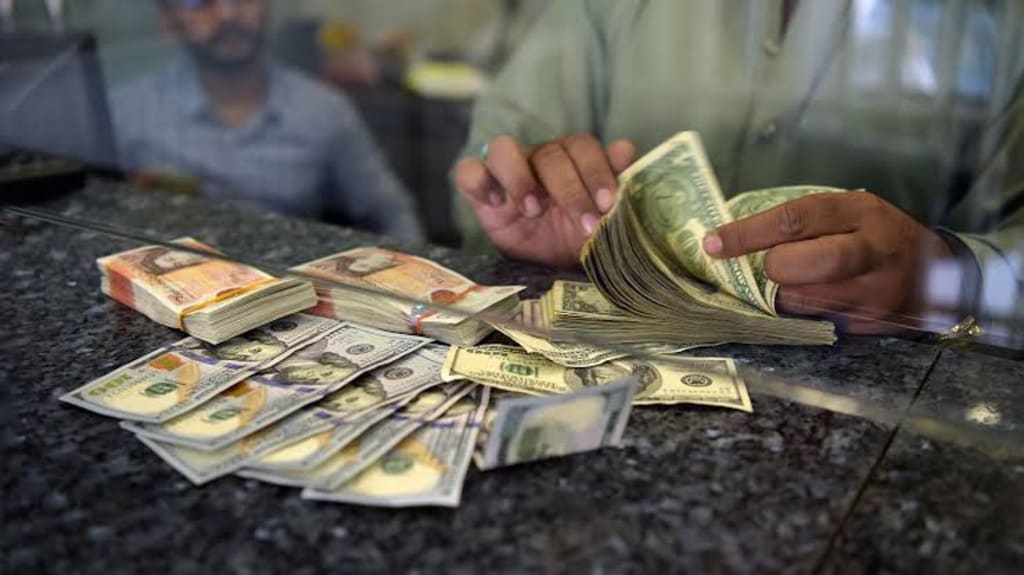
Pakistan is a developing country that has faced numerous financial challenges over the years. Its economy has been characterized by a high level of external and internal debt, a large trade deficit, and low foreign investment. The country has struggled to maintain macroeconomic stability and sustain growth due to political instability, terrorism, and weak institutions. This essay will examine the current financial situation in Pakistan, the factors contributing to it, and the steps the government is taking to address the challenges.
Pakistan's economy has experienced some progress in recent years, but it still faces significant challenges. According to the World Bank, Pakistan's gross domestic product (GDP) grew by 3.9 percent in 2020 despite the COVID-19 pandemic's adverse impact on the global economy. However, this growth rate is lower than the country's long-term potential, which is estimated to be around 5 percent. Pakistan's economic growth rate is also lower than those of other developing countries in the region, such as India and Bangladesh.
One of the main challenges facing Pakistan's economy is its high level of external debt. The country's total external debt and liabilities increased to $116.3 billion in December 2020, up from $95.1 billion in June 2018. The rising debt burden has been driven by the government's need to finance its budget deficit, which has widened due to lower revenue collections and higher expenditures. Pakistan's debt-to-GDP ratio has also risen to 87.2 percent, which is well above the International Monetary Fund's (IMF) recommended threshold of 60 percent.
Another significant challenge facing Pakistan's economy is its large trade deficit. The country imports more than it exports, resulting in a current account deficit. In fiscal year 2020, Pakistan's trade deficit was $23.7 billion, which is a decrease from the previous year's $31.8 billion. However, the deficit remains large, and it puts pressure on the country's foreign exchange reserves. Pakistan's foreign exchange reserves stood at $20.1 billion in April 2021, which is enough to cover around three months of imports. The IMF recommends that countries maintain foreign exchange reserves that can cover at least three months of imports.
Low foreign investment is another challenge facing Pakistan's economy. Foreign direct investment (FDI) inflows have been relatively low, averaging around $2 billion per year in recent years. This is well below the levels of FDI inflows that other developing countries in the region have experienced. Low FDI inflows have limited the country's ability to attract new technology and create jobs. It has also limited the country's ability to diversify its exports and improve its competitiveness in the global market.
Pakistan's economy has also been affected by political instability and terrorism. These factors have discouraged foreign investment, disrupted economic activity, and caused the country's security expenditures to rise. The country has struggled to contain terrorism and maintain peace in some areas, particularly in the northwestern part of the country. The situation has led to a significant human toll and has also undermined the country's economic potential.
The government of Pakistan has taken several steps to address the country's financial challenges. One of the most significant measures has been the adoption of an IMF-supported economic reform program. The program aims to address the country's fiscal imbalances, reduce the debt burden, and improve the business environment to attract foreign investment. The government has implemented a series of fiscal measures, including increasing tax revenues, reducing subsidies, and increasing electricity tariffs. These measures have helped to reduce the budget deficit and improve the country's fiscal position.
About the Creator
Enjoyed the story? Support the Creator.
Subscribe for free to receive all their stories in your feed.
Comments
There are no comments for this story
Be the first to respond and start the conversation.