
The Face of AI
Unraveling the Reality Behind Artificial Intelligence
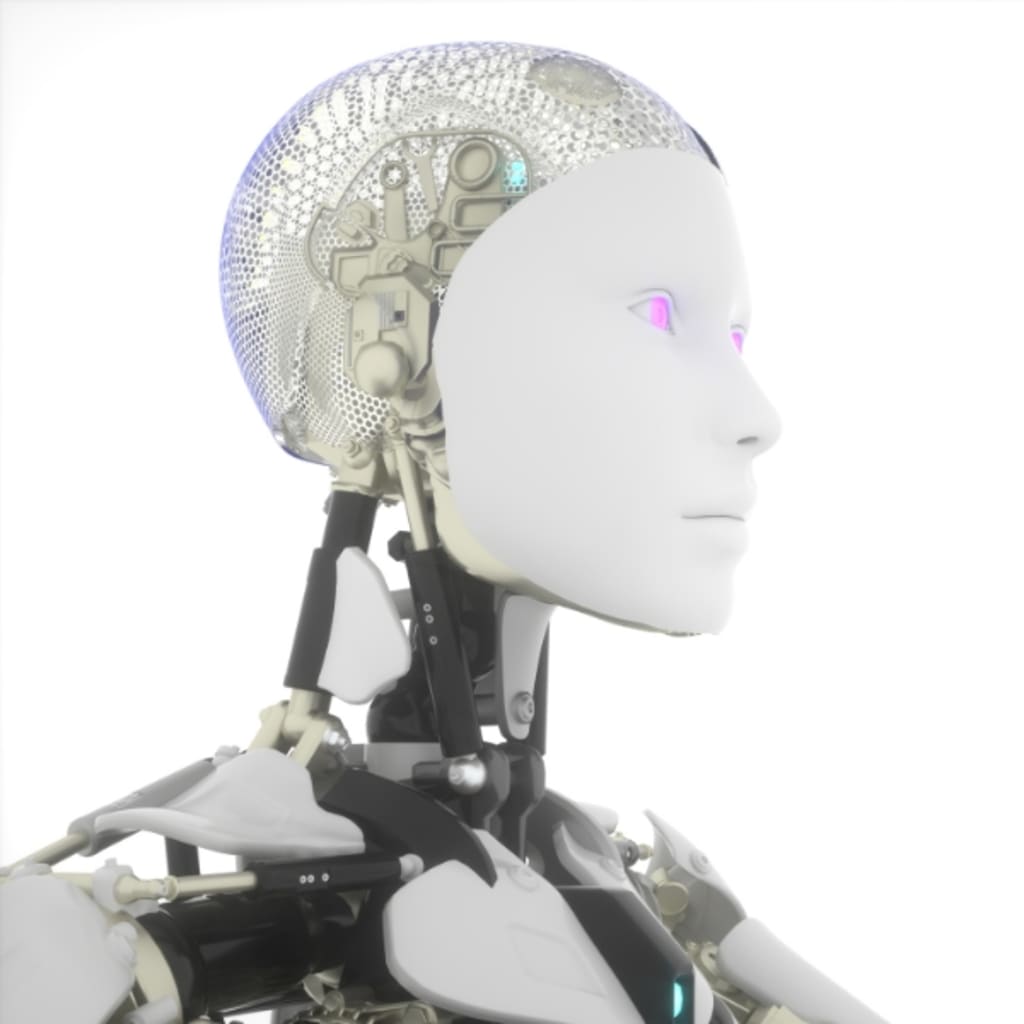
AI has become a vital part of our daily lives, frequently working behind the scenes to shape our decisions and interactions. AI is everywhere, from voice assistants like Siri and Alexa to recommendation algorithms on social media platforms and online markets. However, despite its widespread use, many people are unaware of AI's true face. The purpose of this essay is to explore the realities of AI, including its benefits, limits, and the ethical issues it poses to society.
Understanding Artificial Intelligence and Its Applications
AI, at its core, refers to machines or computer systems that can do activities that would normally need human intelligence. Speech recognition, problem-solving, learning, and decision-making are examples of these tasks. Narrow AI and General AI are the two types of artificial intelligence. Narrow AI, also known as Weak AI, is intended to excel at certain tasks like chess or language translation. General AI, on the other hand, refers to AI that has human-like cognitive capacities and is capable of learning and adapting across several activities - a feat that has yet to be fully realised.
AI has infiltrated numerous industries, altering how we live and work. AI aids in medical diagnostics and drug discovery in healthcare. The growth of self-driving automobiles powered by AI-powered algorithms has been noticed in the automotive industry. In finance, AI aids in the identification of fraud and the development of personalised investment plans. Furthermore, AI has transformed customer service, marketing, and even creative sectors such as art and music.
The Power of Data: AI's Foundation
Data is the foundation of AI. Machine learning, a subset of AI, is a critical technology that allows computers to learn and improve without explicit programming. This is accomplished by training models on massive volumes of data, recognising patterns, and predicting outcomes based on those patterns. The more data an AI model sees, the better it gets at its assigned task. This data-driven approach, however, raises questions about privacy, data security, and potential biases in the data.
The Reality of AI's Limitations
While AI has made great advances, it is critical to recognise its limitations. Despite its amazing capabilities, artificial intelligence (AI) lacks actual comprehension and consciousness. It is based on patterns and statistical correlations, which makes it prone to errors, especially in novel contexts. Because of its narrow focus, AI is incapable of true comprehension or empathy, rendering it unsuited for tasks that require human touch, such as emotional support or sophisticated moral decision-making.
Furthermore, AI is susceptible to biases in its training data. If the data used to train an AI model has biases, the computer's decision-making processes might perpetuate and exacerbate these biases. This is especially troubling in sectors such as criminal justice, where biassed AI has the potential to exacerbate societal disparities.
The Ethical Conundrum: AI and Human Autonomy
As AI grows more embedded into our lives, it creates significant ethical issues. The impact of AI on human autonomy is a major worry. The power of artificial intelligence to process massive amounts of data and impact decision-making raises concerns about personal agency and informed consent. For example, on social media platforms, algorithmic recommendation systems can create echo chambers, restricting exposure to varied perspectives and potentially altering users' attitudes and behaviour.
Furthermore, the growing usage of AI in autonomous systems such as self-driving cars raises concerns regarding accountability and responsibility in the event of an accident or error. When an AI-driven car makes a deadly error, who should be held accountable?
Explainability and transparency
Another serious concern with AI systems is a lack of openness and explainability. Many AI models function as "black boxes," making understanding the reasons behind their judgements difficult. This lack of transparency raises issues about bias and justice, as people affected by AI decisions may have no idea why particular decisions were made. AI must be more open and provide explanations for its results in order to earn public trust and adoption.
Economic Impact of Job Displacement
The growth of AI and automation has raised concerns about job loss and economic disruption. While AI has the potential to increase productivity and efficiency, it may also result in the automation of certain jobs, particularly those involving repetitive and routine labour. To reduce this impact, a proactive approach involving worker upskilling and reskilling to adapt to the changing job landscape is essential.
Human-AI Collaboration
Despite fears about job loss, AI has the ability to augment human abilities and transform sectors. Rather than focusing only on replacing humans, the concept of "augmented intelligence" suggests a collaborative approach in which AI and humans collaborate to create greater results. This relationship has the potential to lead to advances in scientific research, medical diagnosis, and creative endeavours, among other areas.
AI Regulation: Finding the Right Balance
As AI advances, policymakers have the task of striking a balance between encouraging innovation and protecting society. Regulatory frameworks must be dynamic and adaptable in order to keep up with the rapid advances in AI technology. Data protection, bias reduction, openness, and accountability must all be addressed in these policies.
Conclusion
The face of AI is complex, demonstrating its ability to revolutionise industries and improve our lives while also presenting significant ethical and societal concerns. As we progress towards an AI-driven future, it is critical to maintain a human-centric approach, ensuring that AI stays a tool to supplement human abilities rather than a force that controls our lives. We can harness the actual promise of AI while protecting our values and autonomy by tackling ethical quandaries, increasing openness, and establishing appropriate legislation.
About the Creator
Enjoyed the story? Support the Creator.
Subscribe for free to receive all their stories in your feed.
Comments
There are no comments for this story
Be the first to respond and start the conversation.