
The Evolution of Social Media Marketing: From My Space to TikTok
"The Journey from Text-Centric Interaction to Visual and Video-Driven Engagement"

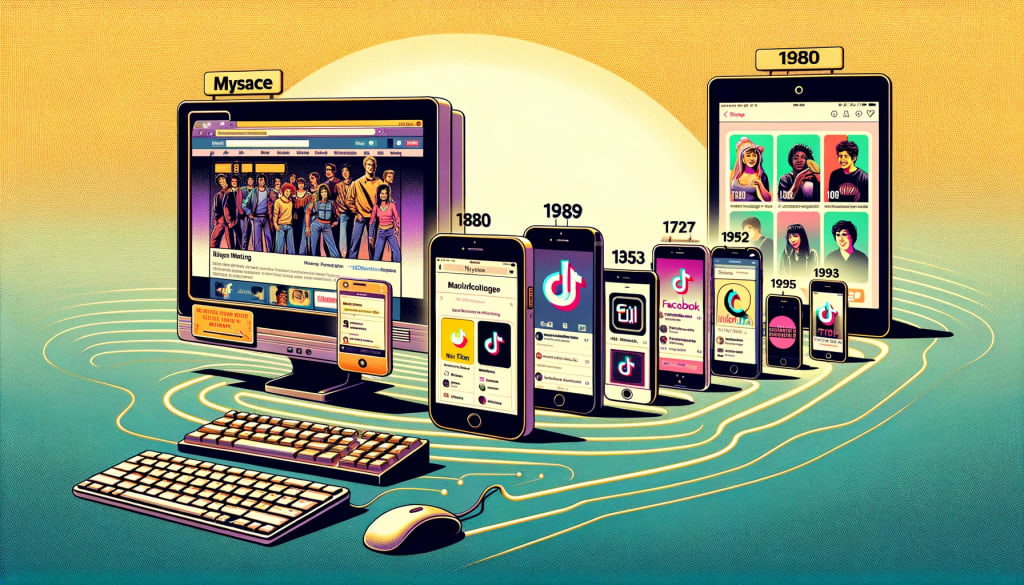
The landscape of social media has evolved dramatically since the early days of MySpace, shaping not only how we interact with each other but also how businesses connect with their audiences. This evolution has been marked by a significant shift in the platforms themselves, from the text-based interfaces of the early 2000s to the visually driven and highly interactive environments of today, like Instagram and TikTok. Understanding this transformation is crucial for marketers to adapt and thrive in the digital space.
The Era of MySpace: The Dawn of Social Media Marketing
MySpace, launched in 2003, was a pioneer in social networking, setting the stage for social media marketing. Initially, it was a platform for personal expression, where users could customize their profiles and share music. Businesses soon realized the potential of reaching out to the platform's growing user base. The marketing strategies were rudimentary, primarily focusing on creating profiles to interact with potential customers and posting updates or special offers.
The Rise of Facebook: Expanding the Scope
Facebook's advent in 2004 revolutionized the concept of social networking. It offered more structured ways of sharing information and connecting with others. For marketers, Facebook became a goldmine due to its vast user base and the introduction of targeted advertising. The ability to create business pages and use analytics tools allowed for more sophisticated marketing strategies, including targeted ads, customer engagement, and content marketing.
Twitter: The Power of the Hashtag
Twitter, launched in 2006, introduced the concept of microblogging. Its real-time nature made it ideal for live updates, news, and customer service. Hashtags became a powerful tool for marketers to tap into trends, engage in conversations, and increase brand visibility. Twitter's concise format demanded creativity and brevity from marketers, challenging them to convey messages in limited characters.
Instagram: A Visual Revolution
Instagram's launch in 2010 marked a significant shift towards visual content in social media. With its focus on photos and later, videos, Instagram changed how brands interact with their audience. High-quality and aesthetically pleasing content became paramount. Brands started leveraging influencer marketing, tapping into influencers' followings for broader reach. Instagram Stories, introduced in 2016, added a new dimension to social media marketing, allowing for more personal and real-time engagement.
Snapchat: Ephemeral Content and Authenticity
Snapchat, popularized the concept of ephemeral content - posts that disappear after a short period. This introduced a new sense of authenticity and urgency in content consumption. Marketers had to innovate to create engaging, time-sensitive content that could capture users' attention quickly.
TikTok: The New Frontier
TikTok has emerged as a formidable force in social media. Its short-form video content and highly interactive features offer unique opportunities for marketers. The platform's algorithm emphasizes user engagement and creativity, providing a level playing field for content to go viral. Brands are exploring creative, entertaining ways to engage with younger audiences, often involving challenges, user-generated content, and collaborations with TikTok influencers.
Challenges and Opportunities
Adapting to Platform-Specific Content
Each platform has its unique format and audience expectations, requiring marketers to tailor their content accordingly. The shift from text to visuals demands high-quality, engaging content that stands out in increasingly crowded feeds.
Keeping Up with Algorithm Changes
Social media algorithms are constantly evolving, affecting how content is displayed and who sees it. Marketers need to stay updated and adapt their strategies to ensure maximum visibility and engagement.
Balancing Authenticity and Marketing
As social media becomes more commercialized, maintaining authenticity in marketing messages is crucial. Users value genuine interactions and can easily spot overly promotional content.
Leveraging Data and Analytics
The abundance of data available through social media platforms provides valuable insights into customer behavior and preferences. Marketers can use this data to refine their strategies and create more targeted, effective campaigns.
Conclusion
The evolution from MySpace to TikTok represents more than just a change in platforms; it reflects a fundamental shift in how we communicate and consume content. For marketers, this evolution presents both challenges and opportunities. Success in this dynamic landscape requires adaptability, creativity, and a keen understanding of each platform's unique environment. As social media continues to evolve, so too will the strategies for engaging and captivating audiences in this ever-changing digital world.
About the Creator
Enjoyed the story? Support the Creator.
Subscribe for free to receive all their stories in your feed.
Comments
There are no comments for this story
Be the first to respond and start the conversation.