
The Duties of Parents Towards Their Children in Islam
The Sacred Responsibility of Parenting in Islam
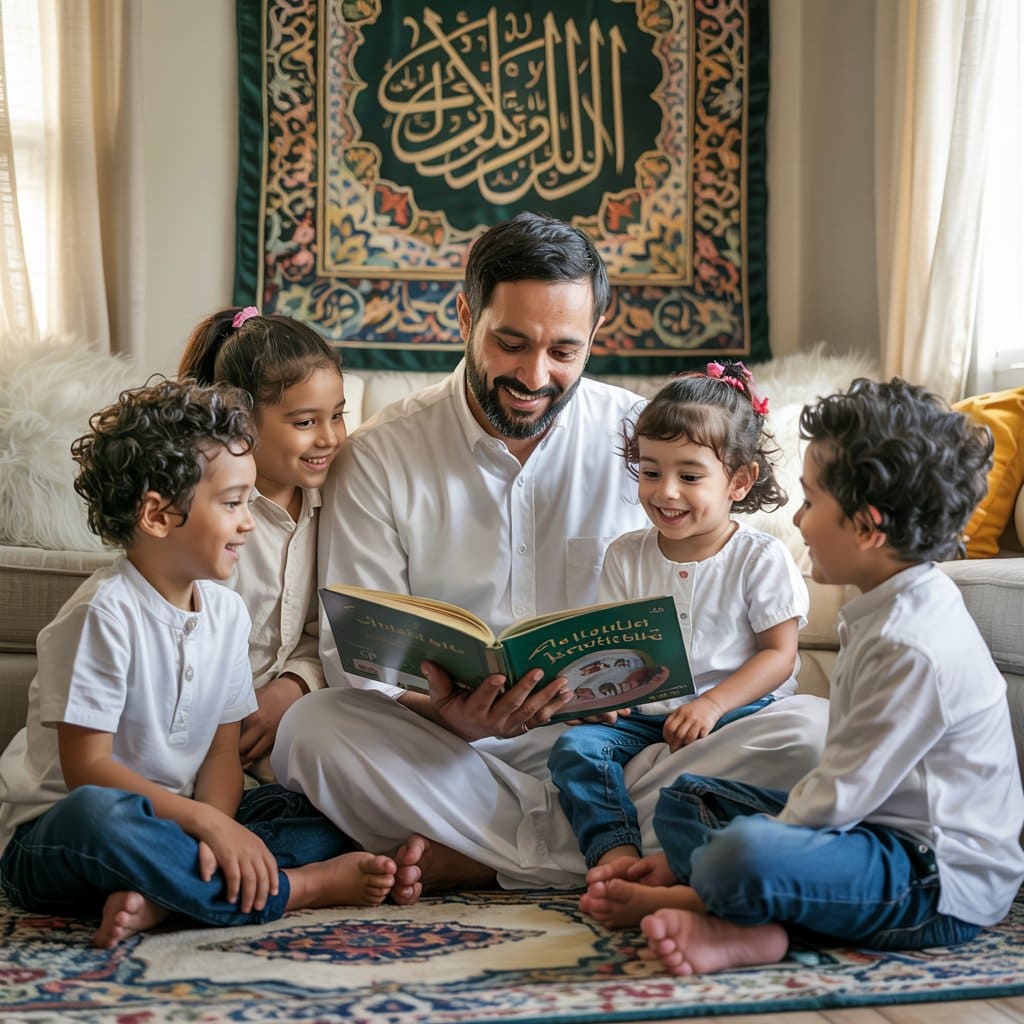
The Duties of Parents Towards Their Children in Islam
In Islam, parenting is a sacred trust (amanah) from Allah (SWT), and children are a blessing that comes with great responsibility. The Quran and Sunnah provide comprehensive guidance on the rights of children and the obligations of parents. Raising righteous, morally upright, and God-conscious offspring is among the most important duties of a Muslim parent. Below are some key responsibilities parents have toward their children from an Islamic perspective.
1. Providing Proper Upbringing (Tarbiyah)
The primary duty of parents is to nurture their children with Islamic values. The Prophet Muhammad (PBUH) said:
"Every one of you is a shepherd and is responsible for his flock..." (Bukhari and Muslim).
This means parents must instill Tawheed (belief in the Oneness of Allah), teach the Quran, and ensure their children understand the fundamentals of Islam. Parents should lead by example, demonstrating good character, honesty, and piety so that children emulate these traits.
2. Ensuring Physical and Emotional Care
Parents must provide for their children’s basic needs, including food, clothing, shelter, and healthcare. Neglecting these necessities is considered a sin in Islam. The Prophet (PBUH) emphasized kindness toward children, saying:
"He is not of us who does not have mercy on young children..." (Tirmidhi).
Emotional care is equally important—parents should show love, avoid harshness, and create a supportive environment where children feel valued and secure.
3. Offering a Good Education
Islam places great emphasis on seeking knowledge. Parents must ensure their children receive both religious and worldly education. The first revelation to the Prophet (PBUH) was "Read!" (Quran 96:1), highlighting the importance of learning. Parents should encourage critical thinking, beneficial knowledge, and skills that help children contribute positively to society.
4. Teaching Morality and Good Conduct (Akhlaq)
Children must be taught honesty, kindness, patience, and respect for others. The Prophet (PBUH) said:
"The best among you are those who have the best manners." (Bukhari).
Parents should correct bad behavior gently and encourage virtues such as generosity, humility, and gratitude. Teaching children to avoid backbiting, lying, and arrogance is essential for their spiritual growth.
5. Ensuring Fair Treatment Among Siblings
Islam prohibits favoritism among children, as it can lead to jealousy and resentment. The Prophet (PBUH) warned against unequal treatment, advising fairness in gifts and attention. Parents must strive for justice to maintain harmony in the family.
6. Protecting Children from Harmful Influences
In today’s world, children are exposed to negative ideologies, immorality, and distractions. Parents must monitor their children’s friendships, media consumption, and environment. The Quran instructs:
"O you who believe! Protect yourselves and your families from a Fire whose fuel is people and stones..." (Quran 66:6). This includes shielding them from corrupting influences and guiding them toward righteous company.
7. Preparing Them for Marriage and Responsible Adulthood As children mature, parents should guide them in choosing righteous spouses and fulfilling marital responsibilities in Islam. They should teach them financial responsibility, self-discipline, and the importance of maintaining family ties (silat al-rahim).
8. Making Dua for Their Well-being
Prophet Ibrahim (AS) and other prophets frequently made supplications for their children. Parents should consistently pray for their children’s guidance, success, and protection from evil. Conclusion Parenting in Islam is a holistic responsibility encompassing spiritual, physical, emotional, and moral development. By fulfilling these duties, parents not only secure their children’s success in this life and the Hereafter but also earn immense rewards from Allah (SWT). The Prophet (PBUH) said: "When a person dies, his deeds come to an end except for three: ongoing charity, beneficial knowledge, or a righteous child who prays for him." (Muslim).
About the Creator
Enjoyed the story? Support the Creator.
Subscribe for free to receive all their stories in your feed.
Comments
There are no comments for this story
Be the first to respond and start the conversation.