
The Divine Wisdom in Islamic Inheritance Law
"Understanding the Wisdom, Fairness, and Responsibilities in Distributing Wealth After Death"
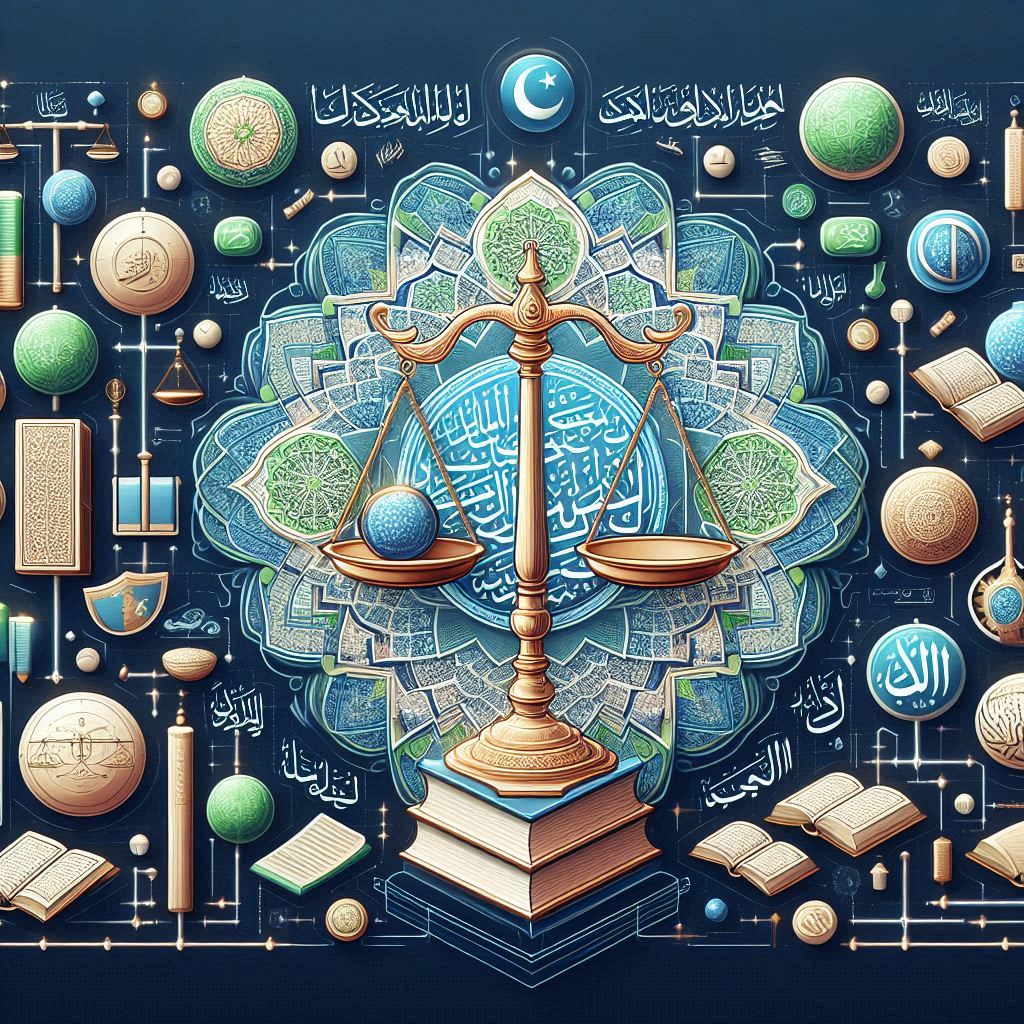
The Divine Wisdom in Islamic Inheritance Law A Comprehensive Look at Its Significance, Rules, and Justice Introduction: Allah – The Ultimate Inheritor All praise is due to Allah, the Best of inheritors, the Everlasting after the end of all creation. Everything returns to Him after its people perish. He alone inherits the earth and all upon it, and none remains but Him. Allah says: “Indeed, it is We who will inherit the earth and whoever is on it, and to Us they will be returned.” (Surah Maryam: 40) “Indeed, it is We who give life and cause death, and We are the Inheritor.” (Surah Al-Hijr: 23) “And how many a city was given to pride in its livelihood – and those are their dwellings, never inhabited after them except a little – and We were the inheritors.” (Surah Al-Qasas: 58) I testify there is no god but Allah, the Sole Inheritor, with no partner, and that Muhammad (peace and blessings be upon him) is His servant and messenger. The Importance of Learning Inheritance Law O servants of Allah, fear Allah and seek beneficial knowledge. One of the greatest forms of knowledge is the knowledge of inheritance (‘Ilm al-Fara’id). Its virtue lies in the fact that Allah Himself directly revealed its laws in the Qur’an. The Prophet (peace be upon him) said: “Learn the Qur'an and teach it to the people. Learn inheritance laws and teach them to the people. For I am a mortal and this knowledge will soon be taken away, and tribulations will appear, to the extent that two people may differ regarding inheritance and find no one to judge between them.” — Al-Hakim; authenticated by Ibn Hajar Al-Hasan said: “They used to encourage the learning of the Qur’an, inheritance laws, and pilgrimage rites.” — Al-Darimi Why Is Inheritance Law So Important? Inheritance law is considered half of knowledge. Ibn Hajar mentioned: “Because every person will face two states: life and death – and inheritance concerns the laws of death.” Allah emphasized inheritance in the Qur’an by saying: “Allah instructs you concerning your children: for the male, what is equal to the share of two females.” (Surah An-Nisa: 11) Imam Al-Qurtubi said: “This verse is a pillar of the religion, a foundation of legal rulings, and one of the mother verses due to its importance.” The Structure and Principles of Inheritance Law Definition: The science of understanding inheritance distribution. Subject: The estate left behind by a deceased person. Purpose: To grant every rightful heir their due share. Ruling: A communal obligation (Fard Kifayah). Pillars: The Inheritor (Wārith) The Deceased (Muwarith) The Inheritance (Mawrooth) Conditions: The heir must be alive at the time of the deceased’s death. Confirmed death of the deceased. Knowledge of the inheritance eligibility and degree of relation. Priority of Distribution (If the estate is limited): Funeral expenses. Debts tied to specific items. General debts (owed to Allah or people). Valid will (up to one-third, not to an heir unless approved). Distribution to heirs. Causes of Inheritance: Marriage Loyalty (freed slave relationship) Blood relations Disqualifiers of Inheritance: Murdering the deceased Slavery Difference of religion (Muslim cannot inherit from a non-Muslim and vice versa) Justice of Islamic Inheritance Compared to Other Systems Islam’s approach to inheritance differs vastly from: Jews: who denied inheritance to women. Romans: who made women equal but excluded wives entirely. Pre-Islamic Arabs: who gave inheritance only to strong males and even inherited women themselves. Islam corrected these injustices with clear and detailed rulings in Surah An-Nisa, where Allah revealed: Provisions for children and parents Shares for spouses and siblings Clarification through divine wisdom Divine Precision and Purpose in Inheritance Laws The laws begin with “Allah instructs you” indicating divine command. Allah concluded these verses with His noble names: “Allah is All-Knowing, Wise” “Allah is All-Knowing, Forbearing” “Allah is Knowledgeable of all things” And followed up by defining them as “Allah’s limits”, promising Paradise for obedience and Hellfire for injustice in inheritance. Wisdom Behind Male-Female Share Difference Not always does the male receive twice the female. In fact: In 10 cases, women inherit equal to men. In 10 cases, women inherit more than men. In 10 cases, women block men from inheriting. Only 4 cases show the well-known 2:1 ratio. Reasoning: Men are financially responsible for family and obligations. Women’s shares are usually free from such burdens. Imam Ibn al-Qayyim stated: “The male is more in need of wealth due to his responsibilities, and more beneficial to the deceased.” Imam Al-Nawawi added: “Men bear expenses of family, guests, slaves, and community obligations.” Second Khutbah: Common Mistakes in Inheritance All praise is due to Allah again. Among the errors in dealing with inheritance: Disregarding debts: Dividing the estate before fulfilling religious or personal debts. Delaying distribution: Causes disputes and injustice. Manipulating shares: Many women and orphans are unjustly denied their rights. Warning: “Many wrong their sisters or relatives by depriving them of their due. Allah has forbidden oppression upon Himself and made it forbidden among you.” Conclusion: Uphold Allah’s Justice in Inheritance Inheritance is not just a financial matter—it is a divine responsibility. Let us respect the wisdom of Allah, adhere to His boundaries, and safeguard the rights of every heir.
About the Creator
Enjoyed the story? Support the Creator.
Subscribe for free to receive all their stories in your feed.
Comments
There are no comments for this story
Be the first to respond and start the conversation.