
The Differences Between Christianity and Judaism
sources: ChatGPT

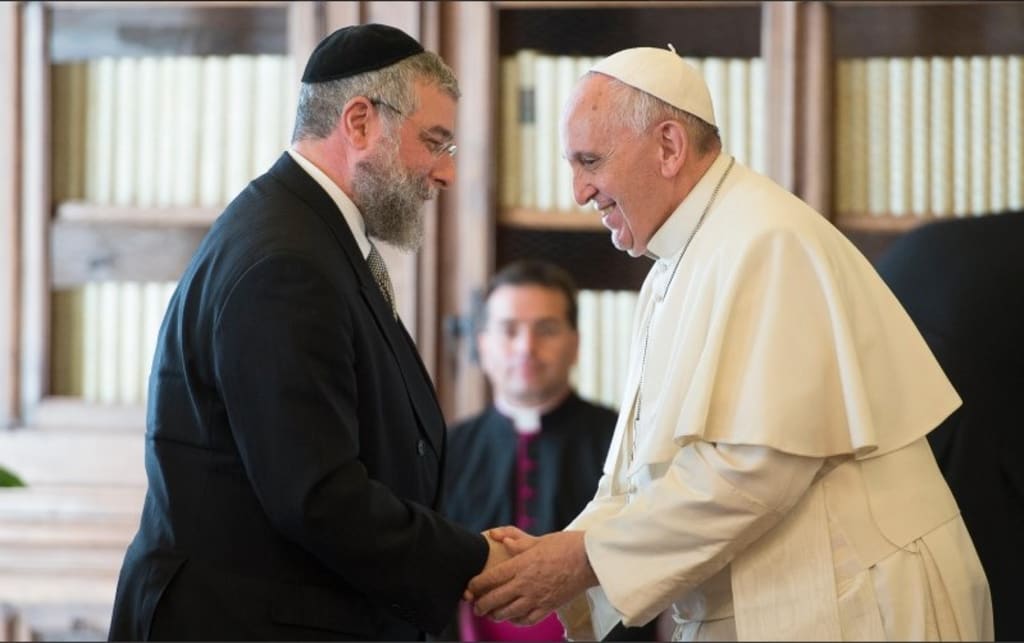
Christianity and Judaism are two distinct religious traditions with different beliefs, practices, and historical backgrounds. Here are some key differences between Christianity and Judaism:
1. Founder and origins:
Christianity:
Christianity was founded by Jesus Christ in the 1st century CE. Jesus was born in Bethlehem and grew up in Nazareth, a region that was part of Roman-occupied Judea (modern-day Israel/Palestine). According to Christian beliefs, Jesus is the Son of God and the promised Messiah (Christ) prophesied in the Hebrew Bible. He preached a message of love, forgiveness, and salvation and performed miracles. Jesus' crucifixion and subsequent resurrection form the central events of Christian theology.
-Judaism:
Judaism is one of the oldest monotheistic religions and traces its origins back thousands of years. Its beginnings can be traced to the patriarchs and matriarchs of the Hebrew Bible, such as Abraham, Sarah, Isaac, Jacob, and Moses. According to Jewish tradition, God made a covenant with Abraham, promising to make his descendants into a great nation. Moses, considered a central figure in Judaism, received the Torah (the Five Books of Moses) from God at Mount Sinai. The covenant between God and the Jewish people is a foundational aspect of Jewish identity and religious practice.
2. Concept of god of Christian and Judaism:
-Christianity:
In Christianity, the concept of God is based on the belief in the Holy Trinity. Christians believe in one God who exists eternally in three persons: God the Father, God the Son (Jesus Christ), and God the Holy Spirit. This belief is known as Trinitarianism. Christians see God as loving, just, omnipotent (all-powerful), omniscient (all-knowing), and omnipresent (present everywhere). Jesus, as the Son of God, is considered the incarnation of God who came to Earth to save humanity.
-Judaism:
In Judaism, the concept of God is rooted in monotheism, the belief in one God. God, known as Yahweh or Adonai, is seen as the eternal creator and ruler of the universe. Jews believe in the unity and oneness of God, emphasizing the idea that God is indivisible and without physical form. Judaism places great emphasis on God's transcendence, holiness, and moral attributes. God is viewed as compassionate, just, and actively involved in the world. The belief in the oneness of God is a fundamental principle in Jewish faith, known as the Shema: "Hear, O Israel: The Lord our God, the Lord is one."
3. Messiah of Christianity and Judaism:
-Christianity:
In Christianity, Jesus Christ is considered the Messiah (Christ). Christians believe that Jesus is the fulfillment of the Messianic prophecies found in the Hebrew Bible (Old Testament). According to Christian belief, Jesus came to Earth as the promised Messiah to bring salvation and reconcile humanity with God. His birth, life, teachings, death on the cross, and resurrection are seen as the central events that provide redemption and eternal life for believers. Christians believe that through faith in Jesus Christ, individuals can receive forgiveness of sins and have a personal relationship with God.
-Judaism:
In Judaism, the Messiah (Mashiach) is a future figure who is yet to come. Jews believe that the Messiah will be a human descendant of King David, an anointed leader chosen by God to bring about the Messianic age, a time of peace, justice, and the ultimate redemption of the world. The concept of the Messiah in Judaism does not involve a divine figure but rather a righteous and knowledgeable individual who will gather the Jewish people, rebuild the Temple in Jerusalem, and usher in an era of universal recognition of God and the fulfillment of God's covenant with the Jewish people. Jewish tradition holds that the Messianic age will bring about a world of harmony and spiritual enlightenment. The specific details and interpretations of the Messiah's role and arrival may vary within Jewish thought.
4. Scripture of Christianity and Judaism:
-Christianity:
The sacred scripture of Christianity is the Bible, which consists of two main sections: the Old Testament (also known as the Hebrew Bible) and the New Testament.
a. Old Testament: The Old Testament is the same as the Hebrew Bible in Judaism and contains various books written over centuries, including historical accounts, poetry, wisdom literature, and prophetic writings. It includes the Pentateuch (also known as the Torah or the Five Books of Moses), the historical books, the wisdom literature (such as Psalms and Proverbs), and the prophetic books.
b. New Testament: The New Testament contains writings specific to Christianity and focuses on the life, teachings, death, and resurrection of Jesus Christ. It includes the four Gospels (Matthew, Mark, Luke, and John), which provide accounts of Jesus' life and ministry, as well as the Acts of the Apostles, the Epistles (letters) written by early Christian leaders, and the Book of Revelation.
-Judaism:
The sacred scripture of Judaism is known as the Tanakh, which is also referred to as the Hebrew Bible.
a. Torah: The Torah is the most significant part of the Tanakh and comprises the first five books of the Bible: Genesis, Exodus, Leviticus, Numbers, and Deuteronomy. It is considered the foundational text of Judaism and contains the laws, commandments, narratives, and teachings of God.
b. Nevi'im (Prophets): The Nevi'im consists of historical accounts and prophetic writings, including books such as Joshua, Judges, Samuel, Kings, Isaiah, Jeremiah, and Ezekiel. It provides narratives of Jewish history and contains the messages and prophecies of the Hebrew prophets.
c. Ketuvim (Writings): The Ketuvim contains various books, including Psalms, Proverbs, Job, Song of Solomon, Ruth, Lamentations, Ecclesiastes, Esther, Daniel, Ezra, Nehemiah, and Chronicles. These writings encompass poetry, wisdom literature, historical accounts, and other religious and ethical teachings.
The Tanakh is divided into these three sections: Torah, Nevi'im, and Ketuvim, forming the acronym "Tanakh." It is highly revered and considered the authoritative scripture for Jewish beliefs and practices.
5. Rituals and worship of Christianity and Judaism:
-Christianity:
Christian worship and rituals can vary depending on the denomination and tradition. Here are some common elements:
a. Church Services: Christians typically gather for communal worship in churches. Services often include prayers, hymn singing, Scripture readings, sermons, and the sharing of sacraments (such as baptism and Holy Communion/Eucharist).
b. Sacraments: Sacraments are important rituals in Christianity. Baptism is a rite of initiation, symbolizing purification and entry into the Christian faith. Holy Communion/Eucharist is a sacrament commemorating the Last Supper of Jesus, where bread and wine are consumed to remember his sacrifice.
c. Prayer: Christians engage in individual and communal prayer, both spontaneous and scripted. The Lord's Prayer, taught by Jesus, is often recited during worship.
d. Liturgical Practices: Some Christian denominations follow formal liturgical practices, such as the use of liturgical calendars, prescribed prayers, and specific orders of worship.
-Judaism:
Jewish worship and rituals are centered around community and observance of religious traditions. Here are some key elements:
a. Synagogue Services: Jews gather in synagogues (also called temples or shuls) for communal worship and study. Services typically include prayers, readings from the Torah, and the chanting of Psalms. The synagogue serves as a place for community gathering, learning, and celebrating Jewish festivals.
b. Shabbat (Sabbath): Shabbat is a central observance in Judaism, beginning on Friday evening and ending on Saturday evening. Jews welcome Shabbat with candle lighting, recite blessings, and engage in prayers and rituals. It is a time of rest, family meals, communal worship, and study.
c. Jewish Holidays and Festivals: Judaism has a calendar full of holidays and festivals, including Rosh Hashanah (Jewish New Year), Yom Kippur (Day of Atonement), Passover (commemorating the Exodus from Egypt), Hanukkah (Festival of Lights), and Purim (celebrating the salvation of the Jewish people).
d. Kashrut (Dietary Laws): Observant Jews adhere to dietary laws known as kashrut, which dictate the types of food that can be consumed and the manner of their preparation.
e. Lifecycle Events: Judaism has various rituals and ceremonies associated with lifecycle events, such as Brit Milah (circumcision), Bar/Bat Mitzvah (coming-of-age ceremony), and Jewish weddings.
It's important to note that both Christianity and Judaism encompass diverse traditions and practices, and specific rituals and worship can vary among different denominations and Jewish communities.
6. Belief about Jesus of Christianity and Judaism:
-Christianity:
In Christianity, Jesus Christ is considered the Son of God, the Messiah (Christ), and the central figure of faith. Here are key beliefs about Jesus in Christianity:
a. Divinity: Christians believe that Jesus is the incarnation of God, the second person of the Holy Trinity. They see Jesus as fully human and fully divine, believing that he is both God and man.
b. Savior and Redeemer: Christians believe that Jesus came to Earth to save humanity from sin and offer redemption through his death on the cross. They believe that through faith in Jesus and his sacrifice, believers can receive forgiveness of sins and eternal life.
c. Resurrection: Christians believe in the resurrection of Jesus. According to Christian belief, Jesus was crucified, died, and rose again on the third day, conquering death and providing hope for eternal life.
d. Role as the Messiah: Christians believe that Jesus is the fulfillment of the Messianic prophecies found in the Hebrew Bible. They see Jesus as the promised Messiah who came to fulfill God's plan of salvation.
-Judaism:
Judaism does not view Jesus as the Messiah or divine. Here are key beliefs about Jesus in Judaism:
a. Historical Figure: Judaism acknowledges Jesus as a historical figure who lived during the Roman occupation of Judea in the 1st century CE.
b. Non-Messianic Status: Jews do not believe that Jesus is the Messiah. According to Jewish belief, the Messiah is an anointed human leader who will bring about the Messianic age and fulfill specific prophecies, which they believe Jesus did not fulfill.
c. Different Interpretations: Some Jewish perspectives may regard Jesus as a teacher or a charismatic figure, while others may not hold him in particular significance. However, Judaism as a whole does not accept Jesus as divine or as the Savior.
It's important to note that within both Christianity and Judaism, there is diversity of beliefs and interpretations, and individuals within these traditions may hold varying perspectives on the nature and significance of Jesus.
7. Salvation and afterlife of Christianity and Judaism:
-Christianity:
In Christianity, salvation refers to the deliverance from sin and its consequences, and the attainment of eternal life with God. Here are key beliefs about salvation and the afterlife in Christianity:
a. Salvation through Jesus: Christians believe that salvation is obtained through faith in Jesus Christ. They believe that Jesus' sacrificial death on the cross reconciles humanity with God, providing forgiveness of sins and the opportunity for eternal life.
b. Grace and Faith: Christians believe that salvation is a gift of God's grace, not something that can be earned through good works alone. They emphasize the importance of faith in Jesus as the means of receiving salvation.
c. Eternal Life: Christians believe in the existence of an afterlife, with the ultimate destination being heaven. Heaven is understood as a state of eternal communion with God, where believers will experience joy, peace, and the fulfillment of God's promises.
d. Judgment: Christians believe in the final judgment, where all individuals will be held accountable for their actions and beliefs. This judgment determines one's eternal destiny.
-Judaism:
In Judaism, the concept of salvation focuses more on living a righteous life in accordance with God's commandments. Here are key beliefs about salvation and the afterlife in Judaism:
a. Living a Righteous Life: Judaism emphasizes the importance of following God's commandments (mitzvot), engaging in acts of kindness (tzedakah), and ethical behavior as the path to righteousness and closeness to God.
b. Olam Ha-Ba: Judaism teaches the belief in Olam Ha-Ba, which means the "World to Come" or the future Messianic age. This refers to a time of universal peace, justice, and spiritual enlightenment.
c. Afterlife Beliefs: Jewish beliefs about the afterlife can vary. While some Jews believe in an individual's soul continuing to exist after death, there is no consensus on specific details about the nature of the afterlife. Focus is placed more on living a meaningful life in the present rather than the specifics of what follows death.
d. Resurrection: Some Jewish traditions hold the belief in a future resurrection of the dead, where the righteous will be raised to participate in the Messianic age.
It's important to note that within both Christianity and Judaism, there are diverse interpretations and variations in beliefs regarding salvation and the afterlife. Different denominations and individual perspectives may have nuanced understandings of these concepts.
hopefully this information can help you :)
About the Creator
Enjoyed the story? Support the Creator.
Subscribe for free to receive all their stories in your feed.
Comments
There are no comments for this story
Be the first to respond and start the conversation.