
The developing brain
Understanding the Neuroscience of Childhood and Adolescent Brain Development
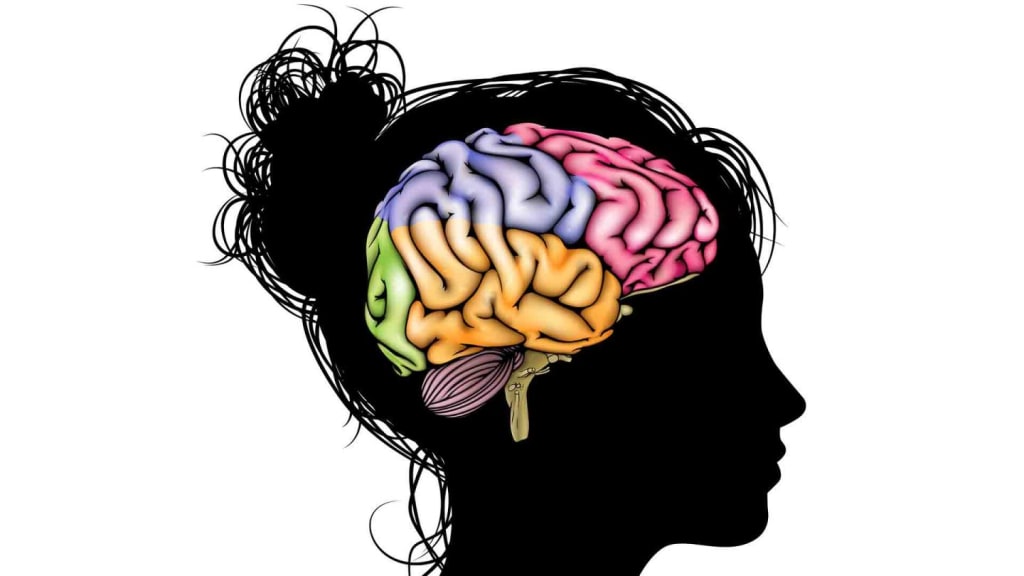
The human brain is a complex and fascinating organ that undergoes remarkable changes throughout the lifespan. One of the most critical periods of brain development occurs during childhood and adolescence when the brain undergoes rapid growth, maturation, and organization that lay the foundation for later cognitive, emotional, and social functioning.
In this article, we will explore the neuroscience of childhood and adolescent brain development, including the key developmental stages, the brain regions involved, and the factors that influence brain development.
Key Developmental Stages
which make a person to develope their brain development
Childhood and adolescence are characterized by several critical developmental stages that shape the brain's structure and function. The key developmental stages are:
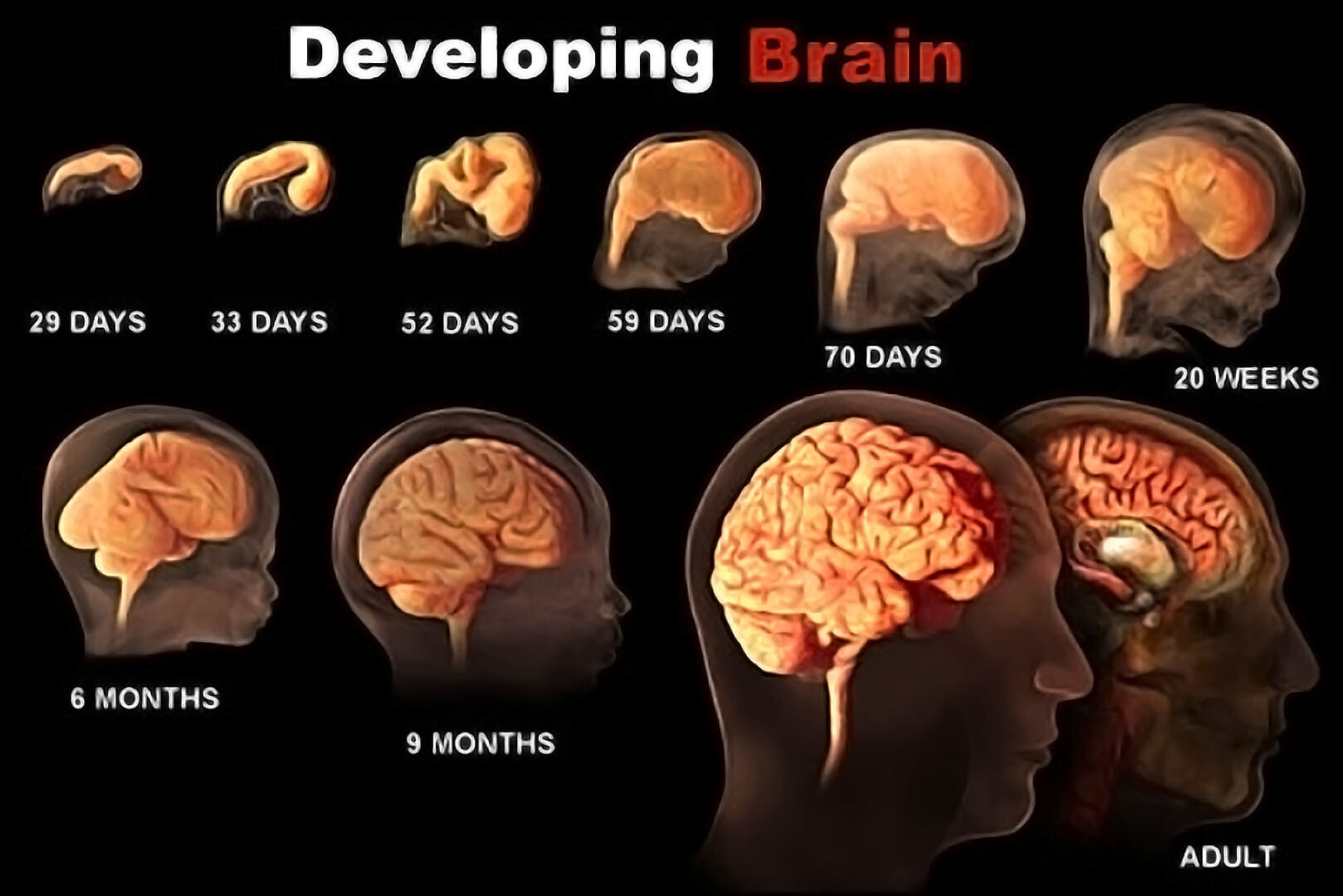
Prenatal Period: The prenatal period, which spans from conception to birth, is a crucial period of brain development when the brain rapidly forms neural connections and structures. The developing brain is vulnerable to various environmental factors, such as maternal nutrition, stress, and exposure to toxins, which can affect brain development and lead to long-term consequences.
Infancy and Early Childhood: The first few years of life are a critical period of brain development when the brain continues to form new connections and prune away unused connections. This process, known as synaptic pruning, is crucial for the development of neural networks that support language, motor, and social development.
Middle Childhood: Middle childhood, which spans from age 6 to 12, is a period of continued brain growth and maturation, especially in the prefrontal cortex, which is involved in executive functions, such as attention, working memory, and impulse control. Middle childhood is also a critical period for social and emotional development, as children begin to form more complex social relationships and emotional regulation strategies.
Adolescence: Adolescence is a period of significant brain development, marked by dramatic changes in brain structure and function. The prefrontal cortex continues to mature, leading to improvements in cognitive control and decision-making, while the limbic system, which is involved in emotion and motivation, undergoes heightened activity. Adolescence is also a period of increased risk-taking behavior and susceptibility to peer influence.
Brain Regions Involved
The developing brain involves several brain regions and neural circuits that interact to support cognitive, emotional, and social development. The key brain regions involved in childhood and adolescent brain development are:
Prefrontal Cortex: The prefrontal cortex, which is located in the frontal lobes, is involved in executive functions, such as attention, working memory, planning, and decision-making. The prefrontal cortex continues to develop and mature throughout childhood and adolescence, leading to improvements in cognitive control and self-regulation.
Limbic System: The limbic system, which includes the amygdala, hippocampus, and hypothalamus, is involved in emotion, motivation, and memory processing. The limbic system undergoes significant changes during adolescence, leading to heightened emotional reactivity and susceptibility to peer influence.
Corpus Callosum: The corpus callosum is a large bundle of nerve fibers that connects the two hemispheres of the brain. The corpus callosum undergoes significant growth and myelination during childhood and adolescence, leading to improvements in interhemispheric communication and coordination.
Factors Influencing Brain Development
The developing brain is influenced by various factors, including:
Genetics: Genetic factors play a crucial role in brain development, shaping the brain's structure and function, and determining susceptibility to various developmental disorders, such as autism, ADHD, and schizophrenia.
Environment: Environmental factors, such as nutrition, exposure to toxins, stress, and parenting, can affect brain development and lead to long-term consequences.
Experience: Early experiences, such as maternal bonding, language exposure, and social interaction, can shape
About the Creator
Enjoyed the story? Support the Creator.
Subscribe for free to receive all their stories in your feed.
Comments
There are no comments for this story
Be the first to respond and start the conversation.